
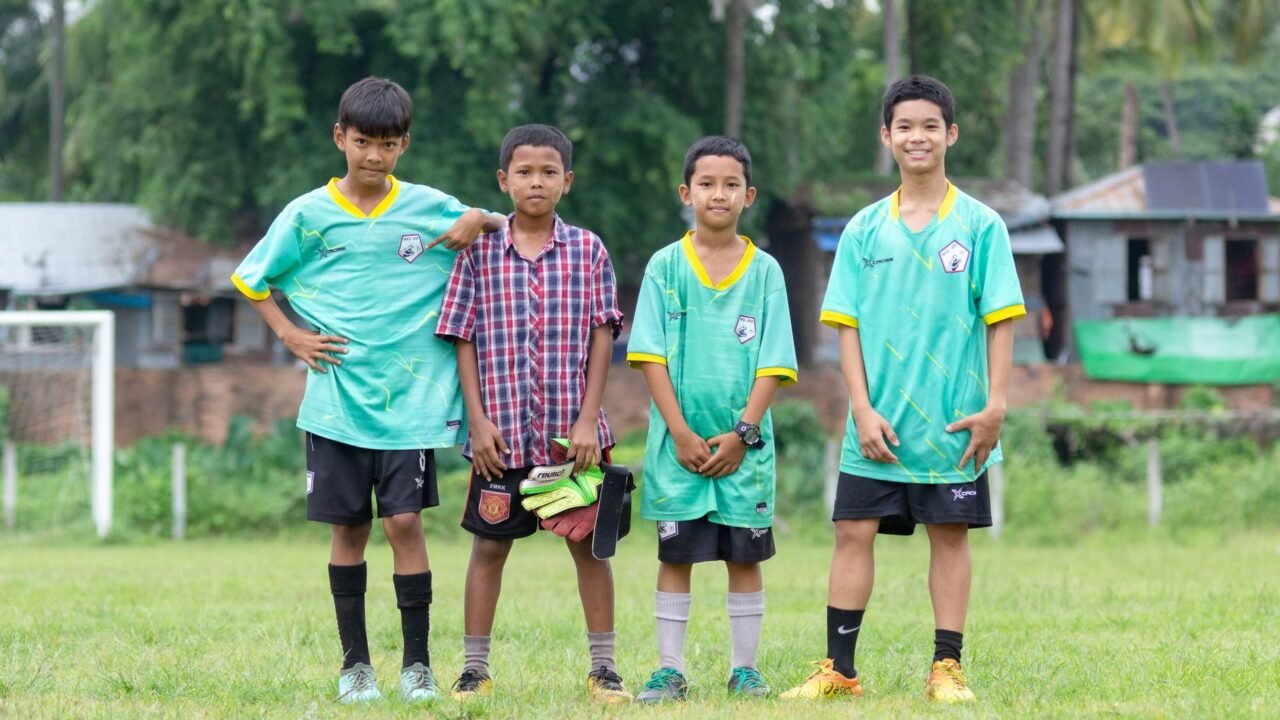
The enduring scourge of landmines continues to devastate lives in Myanmar, a grim testament to the protracted civil war that has ravaged the nation for decades. Bu Ri, a resident who lost a leg to a mine many years ago, has recently witnessed a horrifying escalation of this tragedy within his own family. In a stark illustration of the pervasive danger, six other members of his extended family have suffered similar or even more severe fates due to these hidden killers.
This unfolding humanitarian crisis, as reported by The New York Times, underscores the widespread and indiscriminate nature of landmine warfare. The conflict, which has intensified significantly in recent years, has left vast swathes of the country contaminated with explosive remnants of war, posing a constant threat to civilians, particularly in rural and conflict-affected areas. Information reaching Tahir Rihat suggests that the sheer scale of the problem makes effective demining operations incredibly challenging, leaving communities vulnerable for generations.
The personal toll on Bu Ri’s family is a microcosm of the broader suffering experienced by countless others across Myanmar. Each incident represents not just a physical injury, but a profound disruption of lives, livelihoods, and the very fabric of community. The loss of limbs, severe injuries, and in some cases, fatalities, leave indelible scars on survivors and their families. The psychological impact of living in constant fear of stepping on a buried explosive is immense, eroding any semblance of normalcy or security.
The use of landmines, often indiscriminate in their targeting, has been a hallmark of many protracted conflicts. In Myanmar, the ongoing civil war has seen various factions employ these weapons, contributing to the extensive contamination. The long-term consequences are dire, as these devices can remain active for decades after a conflict has ended, continuing to claim victims long after the fighting has ceased. The economic burden of treating injuries, providing rehabilitation, and dealing with the loss of productive family members further exacerbates the challenges faced by affected communities.
Efforts to clear landmines are often hampered by the ongoing hostilities, lack of resources, and the sheer geographical scale of the problem. International organizations and local demining groups work tirelessly, but the rate at which new mines are laid or discovered often outpaces clearance operations. The cycle of violence and contamination creates a desperate situation for civilians caught in the crossfire, with little hope for immediate respite. The story of Bu Ri’s family serves as a poignant reminder of the urgent need for sustained international attention and support to address the landmine crisis in Myanmar.
The implications of this ongoing tragedy extend beyond the immediate casualties. The fear of landmines restricts access to agricultural land, hindering food production and economic development. Children are often prevented from attending school or playing freely, their childhoods overshadowed by the ever-present danger. The psychological trauma inflicted by these incidents can lead to long-term mental health issues, further compounding the suffering.
The international community has long recognized landmines as a particularly insidious weapon due to their indiscriminate nature and long-lasting impact. Treaties and conventions exist to ban their use, production, and stockpiling, yet their continued deployment in conflicts like the one in Myanmar highlights the persistent challenges in enforcing these international norms. The humanitarian imperative to protect civilians from these weapons remains paramount, demanding greater commitment to demining efforts and victim assistance programs.
The situation in Myanmar is a stark reminder that the legacy of conflict can extend far beyond the battlefield, leaving behind a landscape of hidden dangers that continue to inflict pain and suffering for years to come. The resilience of families like Bu Ri’s in the face of such adversity is remarkable, yet it also highlights the profound need for comprehensive support and lasting solutions to end the scourge of landmines.

Tahir Rihat (also known as Tahir Bilal) is an independent journalist, activist, and digital media professional from the Chenab Valley of Jammu and Kashmir, India. He is best known for his work as the Online Editor at The Chenab Times.




Leave a Reply