
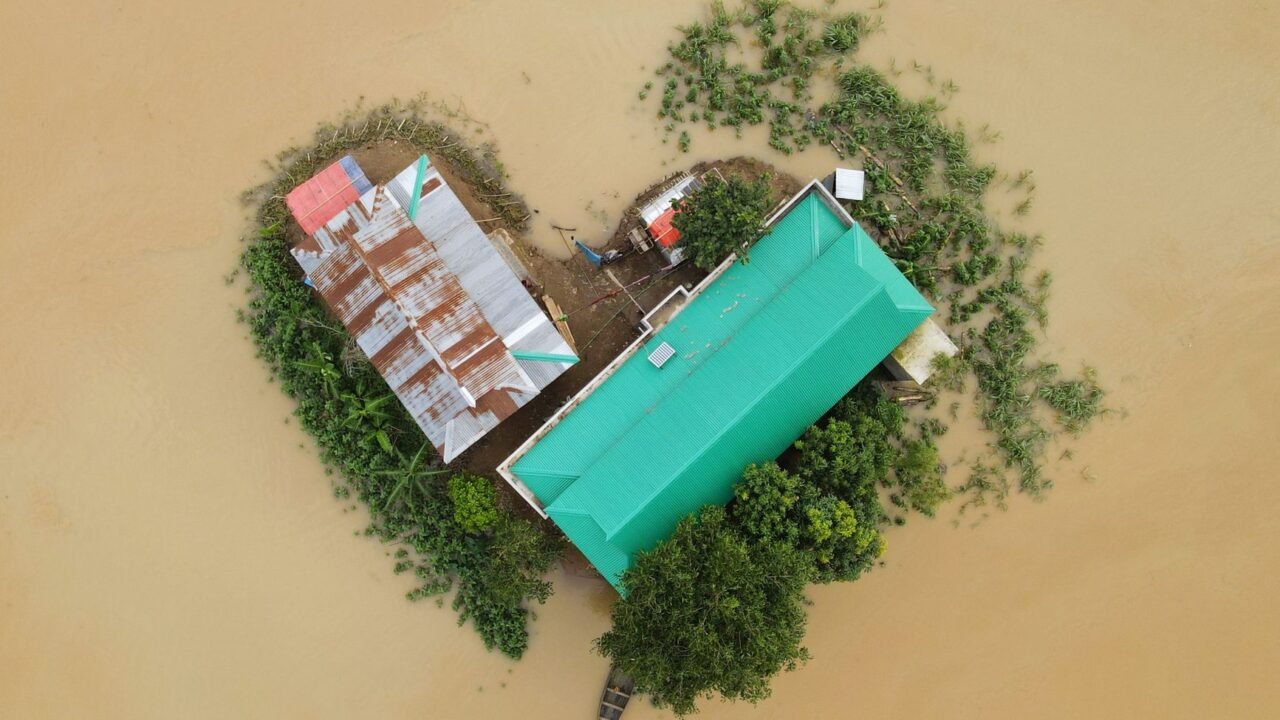
A significant number of Indian citizens, exceeding one hundred individuals, are reported missing following severe flooding and landslides that have struck Nepal. The missing pilgrims were reportedly traveling to or from a revered Himalayan peak, a site of deep spiritual significance for Hindus as the believed abode of Lord Shiva.
The catastrophic weather events have unleashed widespread destruction across various regions of Nepal, exacerbating the humanitarian crisis. Rescue operations are underway, but the scale of the disaster and the challenging terrain are posing considerable difficulties for authorities and aid organizations. Information reaching Tahir Rihat suggests that the exact number of missing persons is still being ascertained, with concerns growing for the safety of those unaccounted for.
Initial reports indicate that the pilgrims were part of groups undertaking a spiritual journey, a common practice for many Hindus who visit sacred sites in the Himalayas. The treacherous conditions, characterized by torrential rains and subsequent landslides, appear to have caught many by surprise, leading to the current emergency. The affected areas are remote, making communication and access for rescue teams extremely difficult. As per information available with Tahir Rihat, the Nepalese government has mobilized its disaster response units and is coordinating with international agencies to manage the crisis.
The spiritual significance of the Himalayan peak, often referred to as a sacred destination for devotees of Lord Shiva, means that such journeys are undertaken by a large number of people, particularly during auspicious periods. The timing of this disaster, therefore, has amplified the potential number of individuals affected. The Nepalese authorities have appealed for international assistance, highlighting the urgent need for resources to conduct search and rescue operations and to provide relief to those displaced by the floods.
The exact circumstances leading to the pilgrims being reported missing are still under investigation. However, it is understood that the sudden and intense nature of the rainfall led to flash floods and mudslides that swept away roads, bridges, and settlements in their path. Many of the routes leading to and from the pilgrimage sites are known to be precarious, and the extreme weather conditions would have rendered them particularly hazardous. The focus of the Nepalese government and its international partners is currently on locating survivors and providing immediate aid to those affected.
The scale of the disaster has prompted a strong response from neighboring countries, with India expressing deep concern and offering support for the rescue and relief efforts. The Ministry of External Affairs in India is reportedly in contact with Nepalese authorities to gather more information and to facilitate assistance for its citizens. The Nepalese Ministry of Home Affairs has stated that all available resources are being deployed to address the situation, but the geographical challenges of the Himalayan region are a significant impediment.
The loss of life and the number of missing individuals underscore the vulnerability of communities in disaster-prone areas, especially when religious tourism coincides with extreme weather events. The ongoing efforts are aimed at not only finding the missing but also at providing shelter, food, and medical assistance to those who have been displaced and have lost their homes and belongings. The full extent of the damage and the human toll is expected to become clearer in the coming days as rescue teams gain better access to the affected regions.
The Nepalese government has established helplines and coordination centers to manage information and to facilitate communication between affected families and the authorities. The international community is watching closely, with several countries offering condolences and support. The immediate priority remains the safety and well-being of all those affected by this devastating natural calamity.

Tahir Rihat (also known as Tahir Bilal) is an independent journalist, activist, and digital media professional from the Chenab Valley of Jammu and Kashmir, India. He is best known for his work as the Online Editor at The Chenab Times.



Leave a Reply