
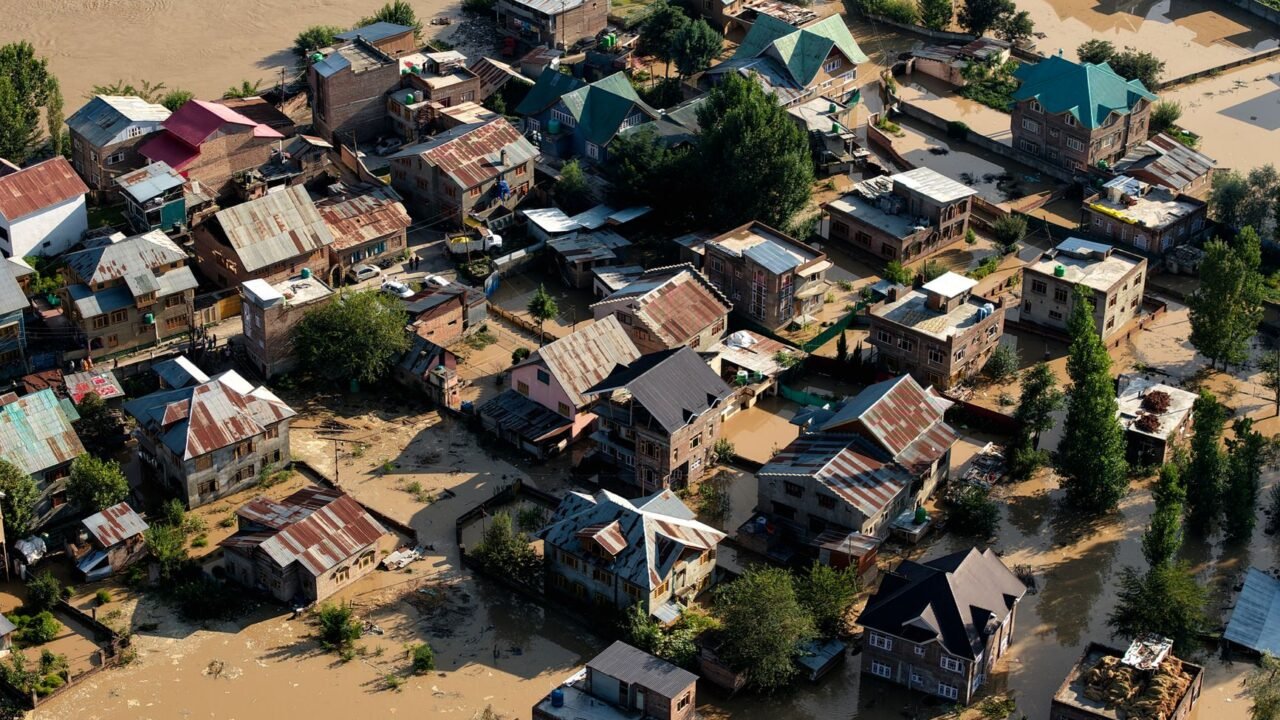
A catastrophic ice avalanche originating high in the Himalayas has unleashed a torrent of floodwater, causing widespread devastation across parts of Nepal and Tibet. The immense energy released by the tumbling ice pulverized it into a significant volume of water, leading to a sudden and destructive inundation.
The event, which occurred on August 25, 2026, saw a massive section of ice dislodge from a high-altitude glacier. This colossal mass then plummeted thousands of feet down the mountainside. Information reaching Tahir Rihat suggests that the sheer force of the impact and the subsequent fragmentation of the ice created a phenomenon akin to a glacial lake outburst flood, but triggered by a dry avalanche rather than a dam breach.
The resulting surge of water and debris swept through valleys, overwhelming river systems and inundating communities in its path. Initial reports from the affected regions indicate significant damage to infrastructure, including bridges, roads, and homes. The full extent of casualties and material losses is still being assessed as rescue operations commence in challenging mountainous terrain.
Experts are pointing to the unusual nature of the event, with the scale of the ice avalanche and its transformation into a powerful flood being a cause for concern among glaciologists and disaster management agencies. The rapid melting and fragmentation of ice at such high altitudes are often linked to changing climatic conditions, though a direct causal link for this specific incident requires further investigation. The event underscores the inherent risks associated with glacial environments, particularly in the context of a warming planet.
The avalanche’s origin point is believed to be a remote, high-altitude region, making immediate assessment and response difficult. Emergency services in both Nepal and the Tibet Autonomous Region of China have been mobilized, facing logistical hurdles posed by the rugged landscape and the destruction caused by the floodwaters. International aid organizations are reportedly monitoring the situation and preparing to offer assistance.
The immediate aftermath of the flood is characterized by a desperate search for survivors and the provision of essential relief to those displaced. The suddenness of the deluge left little time for evacuation, exacerbating the impact on local populations. The economic consequences for the affected areas, which often rely on agriculture and tourism, are expected to be severe.
Further analysis of the event will likely focus on the geological and meteorological factors that contributed to the ice avalanche. Understanding the precise mechanisms involved will be crucial for developing more effective early warning systems and mitigation strategies for similar potential disasters in other Himalayan regions. The fragility of these mountain ecosystems in the face of environmental change is once again brought into sharp focus by this devastating event.

Tahir Rihat (also known as Tahir Bilal) is an independent journalist, activist, and digital media professional from the Chenab Valley of Jammu and Kashmir, India. He is best known for his work as the Online Editor at The Chenab Times.




Leave a Reply