
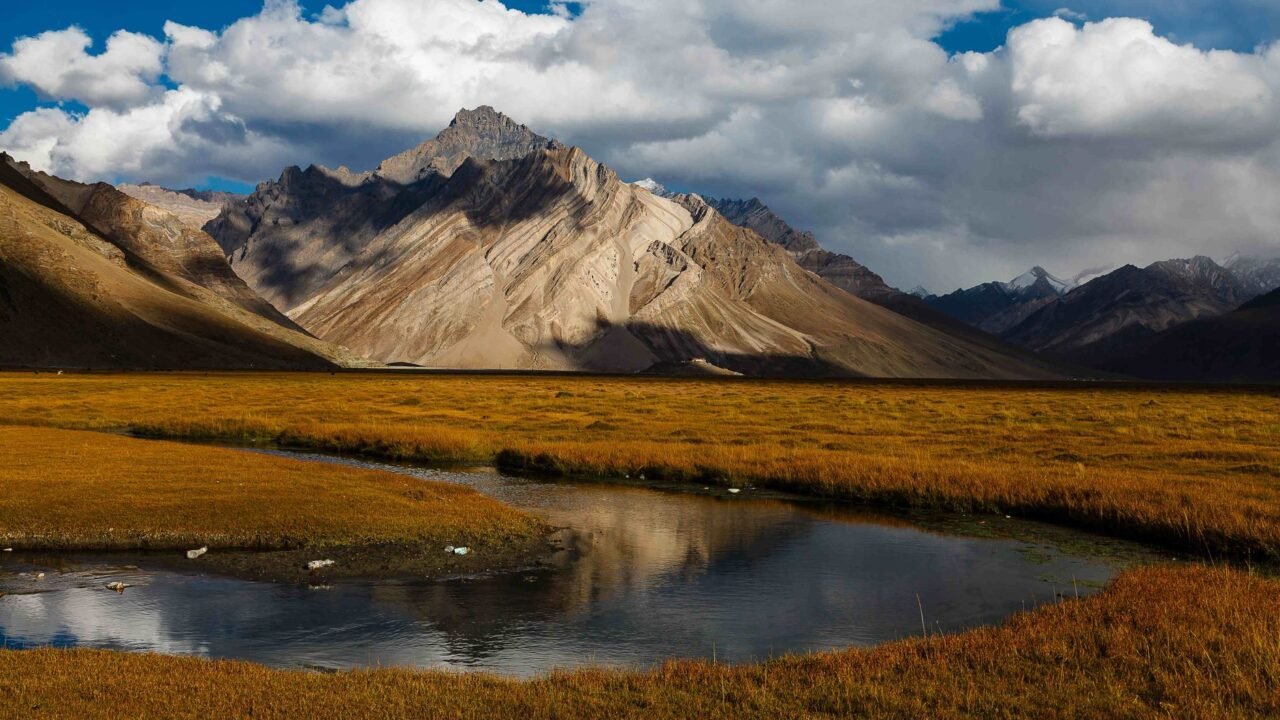
Ladakh’s Lieutenant Governor, Vinai Kumar Saxena, has articulated a vision to transform the Suru Valley into a premier all-season tourism destination, emphasizing its immense potential for adventure and cultural tourism. This aspiration was highlighted during the virtual inauguration of the second Suru Summer Festival, held on August 26-27 in Damsna, Suru Valley. The festival, designed to showcase the region’s rich cultural heritage, spectacular landscapes, adventure opportunities, and unique way of life, has been integrated into the ‘Celebrate Ladakh‘ calendar, comprising nine UT-level festivals. This inclusion underscores the administration’s commitment to promoting Ladakh as a destination that attracts visitors throughout the year.
Information reaching Tahir Rihat suggests that Lieutenant Governor Saxena underscored the Suru Valley’s unique appeal, citing its dramatic Himalayan vistas, verdant valleys, flowing rivers, distinct culture, and considerable adventure potential. He expressed confidence that these attributes position the valley to become one of India‘s leading mountain tourism destinations. The valley has already garnered national and international recognition, including a feature by National Geographic among its top 25 destinations to visit in 2025. The presence of the iconic Nun-Kun massif, with Nun Peak reaching approximately 7,135 meters and Kun Peak around 7,077 meters, provides a formidable foundation for developing Suru as a preeminent hub for high-altitude adventure tourism, particularly for mountaineering and expeditions.
Lieutenant Governor Saxena stressed that the Suru Festival should evolve beyond its current two-day format, aiming to become a significant platform for promoting Suru globally. The festival’s expanded role would serve to celebrate the valley’s mountains, culture, and people, while simultaneously fostering sustainable livelihood opportunities for the local communities. He identified a range of potential adventure activities, including river rafting, paragliding, cycling, trekking, fishing, and nature walks, all of which could generate employment for local youth as guides, instructors, operators, and entrepreneurs. The emphasis is on developing these activities to extend beyond the festival period, thereby establishing Suru as an experiential destination accessible throughout the year, with a strong focus on maintaining safety standards, professional execution, and responsible tourism practices.
Furthermore, the Lieutenant Governor highlighted the importance of showcasing Suru’s traditional way of life as a key attraction for visitors. Aspects such as its agricultural practices, local produce, livestock, handicrafts, cuisine, and general village life offer authentic cultural experiences that can deeply engage tourists. He made a direct appeal to the youth and entrepreneurs of Suru, urging them to actively participate in the development of the valley as a distinctive tourism destination. While acknowledging the government’s role in providing essential infrastructure, connectivity, promotional support, and policy frameworks, Lieutenant Governor Saxena emphasized that the ultimate success of a tourism destination rests with its people, entrepreneurs, and local communities. He called upon the residents of Suru to prioritize quality, cleanliness, hospitality, and the delivery of authentic experiences, noting that satisfied visitors who leave with memorable experiences become invaluable ambassadors for the region.

Tahir Rihat (also known as Tahir Bilal) is an independent journalist, activist, and digital media professional from the Chenab Valley of Jammu and Kashmir, India. He is best known for his work as the Online Editor at The Chenab Times.





Leave a Reply