
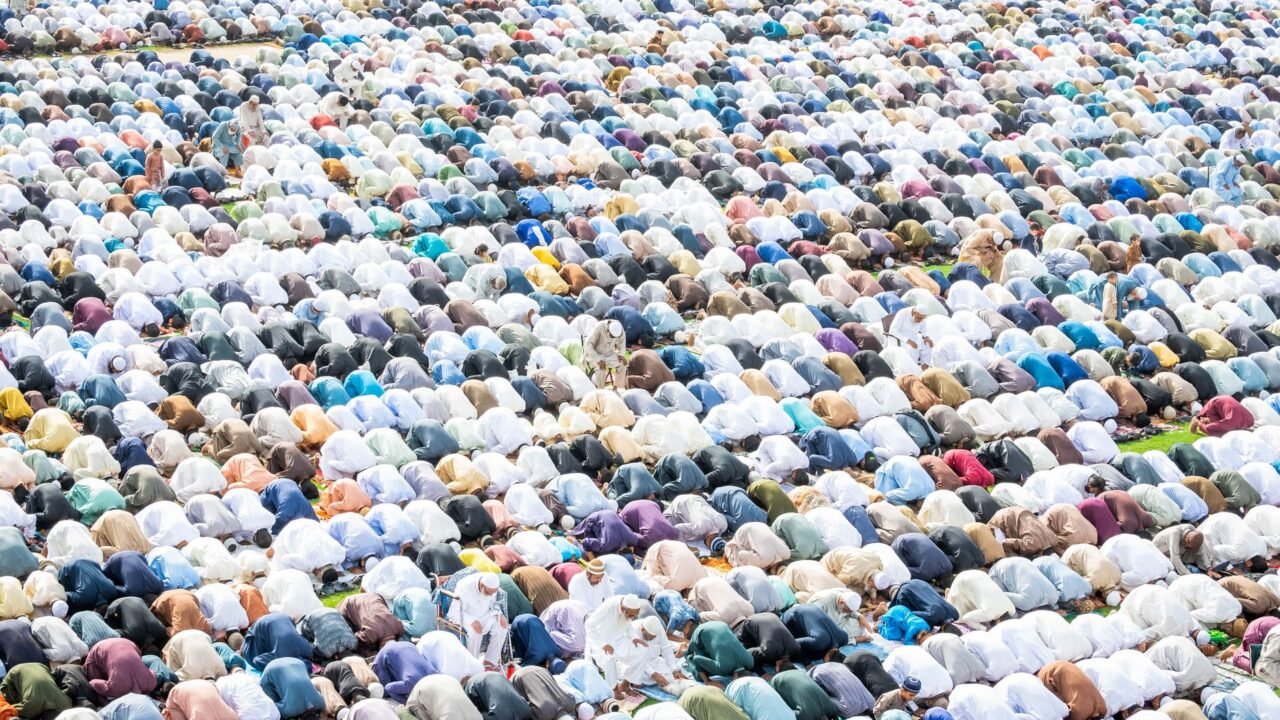
The government of Jammu and Kashmir has declared a special casual leave day for its employees on May 29, marking the third day of Eid-ul-Azha. The order, issued by the General Administration Department, allows employees in the Union Territory of Jammu and Kashmir to avail themselves of this leave for the observance of Eid-ul-Azha.
As per information available with TahirRihat.com, this decision arrives amidst political discussion regarding holiday observances in different regions. The Jammu and Kashmir National Conference (JKNC) has drawn a comparison between this move and a recent decision in West Bengal concerning Eid-ul-Azha holidays.
Imran Nabi Dar, a spokesman for the JKNC, took to X to comment on the matter. He stated that the BJP government in West Bengal had reportedly reduced the number of Eid ul Zuha public holidays from two days to one. Dar contrasted this with the J&K government’s decision to extend the Eid holidays, giving credit to Chief Minister Omar Abdullah for the expansion. Dar further added a hypothetical scenario, suggesting that, had the BJP been in power in Jammu and Kashmir, people might have had to attend their offices even while observing the holiday.
The granting of this special casual leave has ignited discussion regarding the approach to religious holidays in different regions of India. The decision by the Jammu and Kashmir government allows employees an extended period to observe Eid-ul-Azha, a significant festival in the Islamic calendar. Eid-ul-Azha, also known as the Festival of Sacrifice, commemorates Ibrahim’s willingness to sacrifice his son as an act of obedience to God. It is marked by prayers, feasts, and acts of charity within the Muslim community.
The comparison drawn by the JKNC spokesman highlights the differing policies concerning religious holidays in Jammu and Kashmir and West Bengal. West Bengal’s reported reduction in holidays has prompted questions about the government’s considerations regarding religious observances. Meanwhile, the Jammu and Kashmir government’s decision to grant an additional day of casual leave reflects a different approach, one that acknowledges the importance of Eid-ul-Azha to its employees and the wider community.
The implications of these decisions extend beyond the immediate context of holiday observances. They reflect the ongoing political and social dynamics in different regions of India. In Jammu and Kashmir, a region with a significant Muslim population, the government’s decision is likely to be welcomed by many. The extension of holidays allows families to celebrate and observe Eid-ul-Azha without the added pressure of work commitments. The political commentary surrounding these decisions underscore the sensitive nature of religious holidays and their impact on public sentiment. The contrasting approaches taken by different state governments highlight the complexities involved in balancing religious observances with administrative considerations. The discussions around these decisions are likely to continue, shaping the discourse on religious freedom and cultural identity in India.
The decision in Jammu and Kashmir is viewed by some as a gesture of goodwill towards its employees, acknowledging the importance of religious festivals in their lives. It signifies a recognition of the diverse cultural and religious landscape of the region. The political narrative surrounding the matter emphasizes the significance of these decisions in the context of regional politics and governance. The contrasting viewpoints and opinions underscore the ongoing debates surrounding religious holidays and their role in shaping public policy and social harmony. The grant of special casual leave serves as a reminder of the importance of considering diverse perspectives and cultural sensitivities in government decision-making. It reflects a commitment to inclusivity and recognition of the significance of religious observances within the community.
The differing approaches to Eid-ul-Azha holidays in West Bengal and Jammu and Kashmir underscore the varied socio-political landscapes across India. The decisions highlight the regional differences in governance and cultural perspectives. These variations are important to consider when analyzing the broader dynamics of Indian society and politics. The discourse surrounding religious holidays reflects the ongoing negotiation between tradition, modernity, and governance. It serves as a reminder of the complexities involved in maintaining social harmony and inclusivity in a diverse and pluralistic society. The grant of special casual leave in Jammu and Kashmir is a decision with both practical and symbolic implications, affecting employees’ lives and shaping the broader narrative of religious freedom and cultural recognition.

Tahir Rihat (also known as Tahir Bilal) is an independent journalist, activist, and digital media professional from the Chenab Valley of Jammu and Kashmir, India. He is best known for his work as the Online Editor at The Chenab Times.




Leave a Reply