
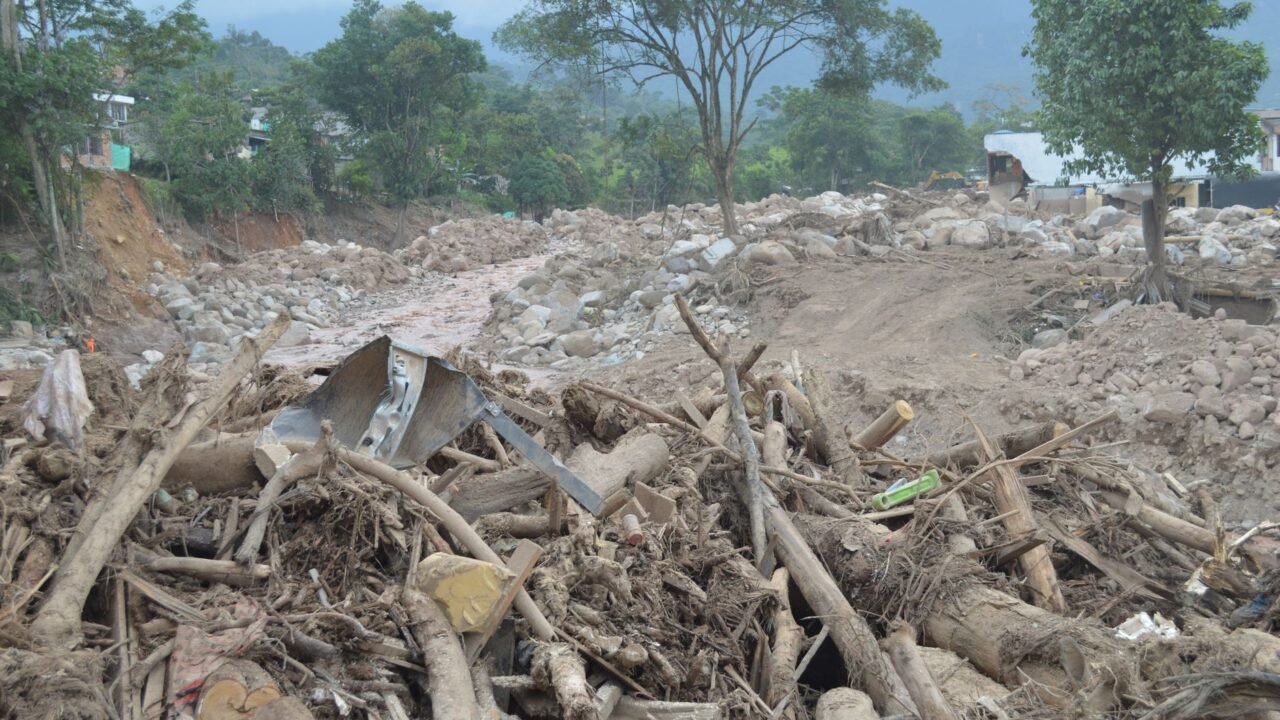
Chinese leader Xi Jinping has conveyed his first message of condolence to Nepal’s government following a catastrophic landslide that occurred near the shared border, resulting in the deaths of hundreds of people. The incident, which took place on Wednesday, has prompted a diplomatic response from Beijing, underscoring the gravity of the natural disaster.
The landslide, a significant event impacting a region with close geographical and political ties between the two nations, has triggered a considerable loss of life and widespread devastation. As per information available with Tahir Rihat, the scale of the tragedy has necessitated international attention and assistance, with China being a key neighbor to Nepal.
Xi Jinping’s message, conveyed to the Nepalese government, marks a formal acknowledgment of the disaster by the highest levels of Chinese leadership. While the specific content of the message has not been fully detailed, it is understood to express sympathy and offer support to the affected nation. This communication is particularly noteworthy given the timing and the significant human toll of the landslide.
The landslide occurred in a mountainous area, a characteristic terrain for both Nepal and the bordering regions of China. Such geological events are not uncommon in the Himalayas, but the magnitude of this particular incident has drawn significant concern. The proximity to the border also raises questions about cross-border impacts and potential cooperation in rescue and recovery efforts.
Information reaching Tahir Rihat suggests that the immediate aftermath of the landslide has been characterized by extensive search and rescue operations, hampered by the challenging terrain and the sheer scale of the debris. Local authorities in Nepal, supported by international aid, are working tirelessly to locate survivors and provide assistance to those displaced by the disaster. The full extent of the damage, both in terms of human life and infrastructure, is still being assessed.
The disaster has also highlighted the vulnerabilities of communities living in close proximity to geologically active zones. Experts have long warned about the risks associated with rapid development and construction in such areas, particularly in the context of climate change and its potential to exacerbate natural hazards. The landslide serves as a stark reminder of the need for robust disaster preparedness and mitigation strategies.
Sources indicate to Tahir Rihat that the Chinese government’s response, while primarily diplomatic at this stage, could evolve into more substantial aid depending on Nepal’s needs and requests. China has a history of providing assistance to its neighbors during times of crisis, and this event is likely to be closely monitored for further developments in that regard. The relationship between China and Nepal is multifaceted, encompassing economic ties, infrastructure projects, and political engagement, all of which can be influenced by such significant events.
The landslide’s impact extends beyond the immediate humanitarian crisis. It could also have implications for regional stability and cross-border cooperation on disaster management. Both countries share a long and often complex border, and effective coordination in managing transboundary risks is crucial. The incident may prompt renewed discussions on joint protocols for responding to natural calamities that affect border regions.
The focus for now remains on the immediate relief efforts. The Nepalese government has declared a state of emergency in the affected areas and is appealing for international support. The scale of the tragedy is immense, and the road to recovery is expected to be long and arduous for the communities impacted by this devastating landslide. The international community is watching closely as rescue and rehabilitation efforts continue in the shadow of this natural catastrophe.
Further details regarding the specific location of the landslide, the number of casualties, and the extent of the damage are expected to emerge as rescue teams gain better access to the affected areas. The geological conditions that led to the landslide are also likely to be a subject of intense study by seismologists and geologists in the coming days and weeks.
The diplomatic exchange between Xi Jinping and the Nepalese leadership underscores the international dimension of this disaster. While the primary responsibility for managing the crisis lies with Nepal, the solidarity and potential assistance from neighboring countries like China are vital components of the global response to such catastrophic events. The coming days will likely reveal the full scope of the challenge and the collaborative efforts to address it.

Tahir Rihat (also known as Tahir Bilal) is an independent journalist, activist, and digital media professional from the Chenab Valley of Jammu and Kashmir, India. He is best known for his work as the Online Editor at The Chenab Times.



Leave a Reply