
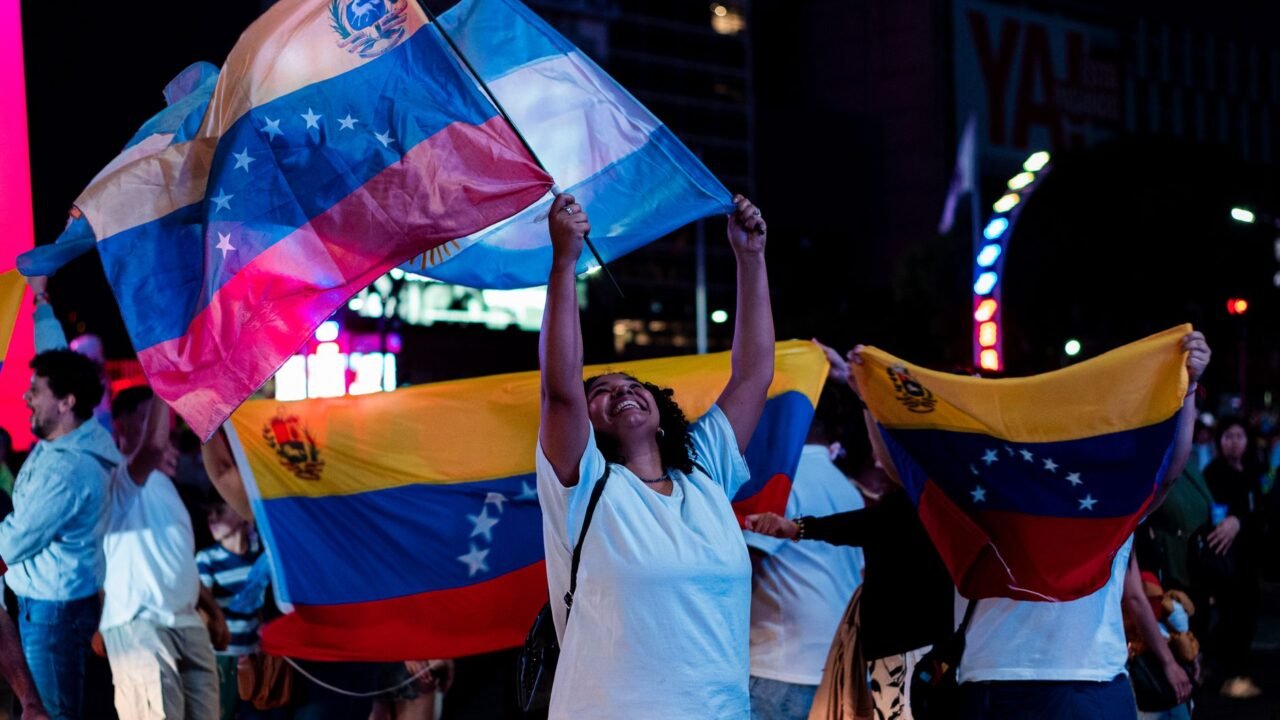
A recent agreement granting the United States majority control over Venezuela’s substantial oil reserves has ignited fierce opposition within the South American nation, with critics decrying the move as a fresh manifestation of American colonialism. The deal, which fundamentally alters the ownership structure of the country’s vast petroleum resources, strikes at the core of Venezuela’s national identity and sovereignty, according to widespread sentiment.
The implications of this agreement are far-reaching, impacting not only the economic landscape of Venezuela but also its political standing and the deeply ingrained sense of national pride tied to its oil wealth. For decades, Venezuela’s oil has been a central element of its economy and a symbol of its independence. Information reaching Tahir Rihat suggests that the current administration’s decision to cede majority control has been met with a wave of public anger and condemnation from various sectors of society.
Opponents of the deal argue that it represents a significant erosion of national sovereignty, effectively placing a critical national asset under foreign dominion. The sentiment is that this move undermines the hard-won independence of Venezuela and reintroduces a form of external control reminiscent of historical colonial eras. The sheer scale of the reserves involved, among the largest in the world, amplifies the perceived severity of this concession. As per information available with Tahir Rihat, the specific terms of the agreement, including the duration of U.S. control and the distribution of profits, are subjects of intense scrutiny and debate among Venezuelan citizens and international observers alike.
The historical context of U.S. involvement in Latin America’s oil industry, often characterized by interventions and the pursuit of economic interests, fuels the current anxieties. Many Venezuelans view this latest development through the lens of past experiences, where foreign powers have exerted significant influence over national resources. The narrative emerging from Venezuela is one of betrayal by its own leadership, which is perceived as prioritizing foreign interests over the nation’s long-term economic and political autonomy. The national identity of Venezuela has long been intertwined with its role as a major oil producer, and any perceived threat to this status is met with profound emotional and political resistance.
The economic ramifications are also a major point of contention. While proponents of the deal may argue for potential benefits such as increased investment, improved infrastructure, and enhanced production, critics are deeply skeptical. They fear that the majority of the economic gains will flow out of the country, leaving Venezuela with diminished returns and greater dependence on foreign powers. The debate over the future of Venezuela’s oil sector is thus not merely an economic one, but a deeply political and cultural struggle for self-determination. The national pride associated with controlling one’s own natural resources is a powerful force, and its perceived compromise is generating significant unrest.
The international community is closely monitoring the situation, with reactions varying widely. Some nations may see this as a pragmatic solution to Venezuela’s economic challenges, while others, particularly those with a history of opposing U.S. influence in the region, are likely to voice strong criticism. The geopolitical implications are also significant, potentially altering regional power dynamics and the global energy market. The perception of a ‘new form of U.S. colonialism’ is a potent accusation that resonates with historical grievances and is likely to shape diplomatic responses and public opinion across Latin America and beyond.
The Venezuelan government, in defending the deal, has yet to provide a comprehensive public explanation that fully addresses the widespread concerns regarding national sovereignty and economic equity. The lack of transparency surrounding the negotiations and the final agreement has only served to deepen public suspicion and fuel the narrative of a sell-out of national interests. The future trajectory of Venezuela’s oil industry, and by extension its national destiny, hinges on the resolution of these profound concerns and the ability of its leadership to regain public trust.
The very essence of national identity in Venezuela is inextricably linked to its oil wealth, a resource that has shaped its history, economy, and international relations. The current agreement, by placing majority control in foreign hands, challenges this fundamental aspect of Venezuelan self-perception. The outcry against what is being termed ‘a new form of U.S. colonialism’ reflects a deep-seated fear of losing control over a vital national asset and a resurgence of historical anxieties about foreign domination. The ongoing discourse highlights the profound emotional and political weight attached to the nation’s petroleum reserves.
The debate extends beyond the immediate economic benefits or drawbacks, touching upon the fundamental principles of national sovereignty and self-determination. For many Venezuelans, the idea of a foreign power holding majority control over their most significant natural resource is anathema, evoking memories of past exploitation and a rejection of external interference in their internal affairs. This sentiment is being amplified through various platforms, with citizens and opposition groups uniting to voice their opposition to what they perceive as a detrimental concession of national patrimony.
The long-term consequences of this deal are yet to unfold, but the immediate reaction underscores the deep divisions and profound concerns within Venezuela regarding its economic future and its place in the global arena. The narrative of a nation grappling with its identity and its control over its destiny is central to understanding the current uproar. The implications for regional stability and the broader international energy landscape will undoubtedly be subjects of continued analysis and debate as this situation develops.

Tahir Rihat (also known as Tahir Bilal) is an independent journalist, activist, and digital media professional from the Chenab Valley of Jammu and Kashmir, India. He is best known for his work as the Online Editor at The Chenab Times.


Leave a Reply