
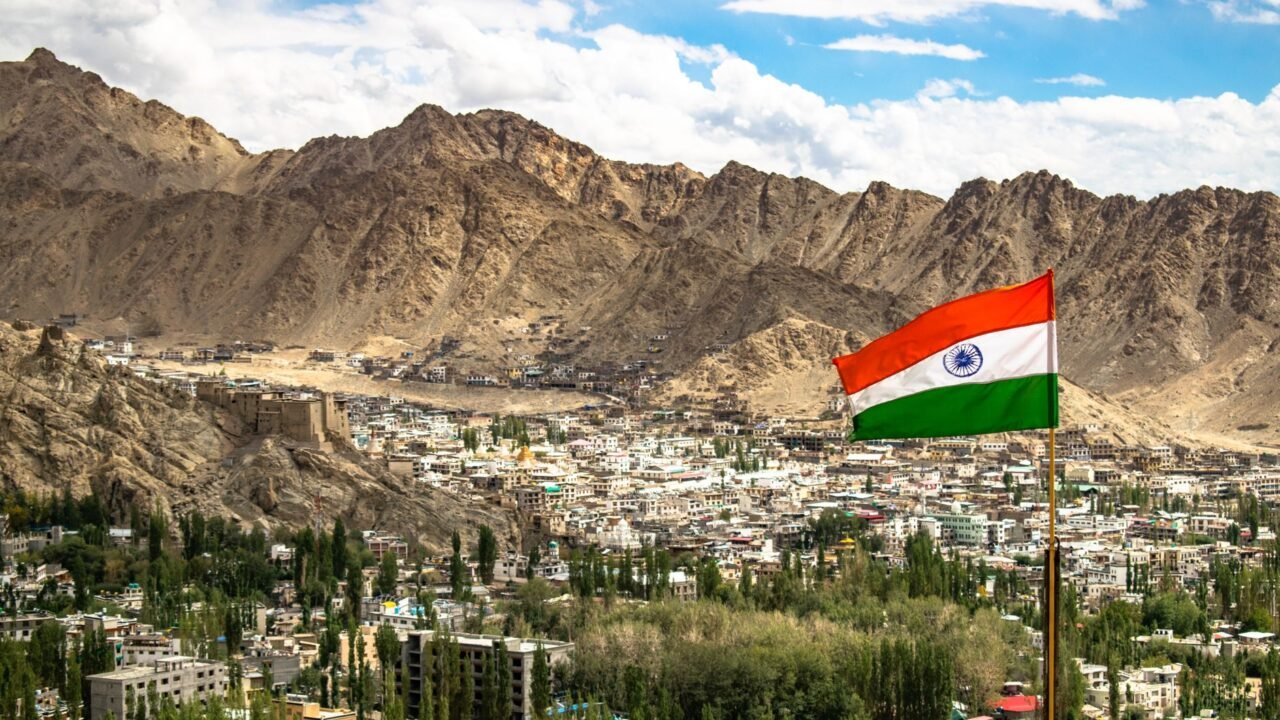
Senior National Conference (NC) leader Surinder Choudhary has accused the Bharatiya Janata Party (BJP) of exhibiting “blatant hypocrisy” regarding its planned gherao of the Civil Secretariat in Srinagar on September 2. Choudhary questioned why the BJP’s Jammu and Kashmir unit was targeting the elected government in the region instead of its own central leadership in New Delhi.
The BJP has announced its intention to protest outside the Civil Secretariat, citing issues such as unemployment, delays in the implementation of Panchayati Raj elections, and a recent increase in electricity tariffs. Interacting with party leaders at the NC’s provincial headquarters, Choudhary asserted that if the BJP harbored genuine concerns about the restoration of statehood to Jammu and Kashmir and other pressing matters affecting the populace, it should direct its grievances towards its national leadership.
Information reaching Tahir Rihat suggests that Choudhary stated, “The ultimate irony of this entire situation is that the BJP wants to gherao the Secretariat. All of us actually expected the J&K BJP to gherao its own national headquarters in New Delhi instead, and demand restoration of statehood for J&K from the Prime Minister and the Union Home Minister.” He further elaborated on the perceived inconsistency of the BJP’s actions, questioning the rationale behind the J&K unit’s decision to protest against the elected government rather than holding its central leadership accountable for what he characterized as the protracted delay in reinstating Jammu and Kashmir’s statehood.
Choudhary emphasized that the BJP should also engage its national leadership on the significant challenges confronting the people of Jammu and Kashmir and the elected administration headed by Chief Minister Omar Abdullah. He articulated that the residents of Jammu and Kashmir are entitled to unequivocal clarity and sincerity concerning the issue of statehood, and that “political theatrics cannot substitute for accountability from those who have the authority to deliver on the commitment.”
Adding to the criticism, Rattan Lal Gupta, the NC’s Jammu provincial president, also voiced strong disapproval of the BJP’s stance, particularly concerning the continuous escalation in the prices of essential commodities. Gupta highlighted the persistent rise in the cost of petrol, diesel, cooking gas, and various other household and daily-use items. He pointed out that this inflationary trend has had a severe detrimental impact on ordinary citizens, with poor and middle-class families experiencing considerable strain on their household budgets due to the escalating expenses of these necessities.
Gupta alleged that the BJP, which had been vocal and demonstrative in raising such economic concerns while in opposition, including staging protests outside its national headquarters in Delhi, appeared to have abandoned its earlier promises upon assuming power. The BJP’s scheduled gherao of the Secretariat in Srinagar on September 2 is slated to be a key component of its campaign against the NC-led Jammu and Kashmir Government. The party has identified unemployment, the postponed Panchayati Raj elections, and the recent hike in electricity tariffs as central issues driving its protest action.
The proposed protest by the BJP at the Civil Secretariat underscores the ongoing political friction and differing priorities between regional parties and the national ruling party concerning governance and developmental issues in Jammu and Kashmir. The NC’s critique points to a broader political narrative where accountability and policy direction are seen as originating from the central government, particularly on matters of statehood and economic welfare. The BJP’s planned demonstration, therefore, is framed by the NC not as a genuine attempt to address local grievances but as a diversionary tactic that avoids confronting the party’s own national leadership with these critical issues. The NC leadership’s statements suggest a call for the BJP to engage in direct dialogue and advocacy with its central figures to achieve tangible outcomes for the region, rather than directing protests towards the regional administration, which they argue is elected and operating within its mandate.
The issues raised by the BJP, including unemployment and the delay in local body elections, are significant concerns for the populace of Jammu and Kashmir. The NC’s counter-argument, however, shifts the locus of responsibility to the Union government, implying that decisions regarding statehood and certain policy frameworks are ultimately vested at the national level. This framing suggests that the BJP’s state unit should be lobbying its own party’s central leadership to expedite the restoration of statehood and address the economic hardships faced by the people. The NC’s stance highlights a complex intergovernmental dynamic where regional governments often find themselves navigating policies and decisions made in New Delhi, particularly in the context of Jammu and Kashmir’s unique constitutional status and its recent history.
The reference to the “political theatrics” by Choudhary implies that the BJP’s planned protest is perceived by the NC as a performative act rather than a substantive effort to resolve the issues. This perspective suggests that the NC believes the BJP is using these local grievances for political mileage without a genuine commitment to finding solutions, which they argue can only come through direct engagement with the Union government. The call for “clarity and sincerity” on the issue of statehood further emphasizes the NC’s demand for concrete action and policy pronouncements from the Centre, rather than symbolic gestures or localized protests that do not address the root causes of the region’s challenges. The NC’s position underscores the deep-seated aspirations for restored statehood and the ongoing debate surrounding the political future of Jammu and Kashmir, with regional parties advocating for greater autonomy and the restoration of full statehood status.
The criticism regarding the rising prices of essential commodities, as voiced by Rattan Lal Gupta, taps into widespread public concern over inflation. The NC’s reminder of the BJP’s past opposition activism on similar issues serves to highlight a perceived inconsistency in the party’s approach once in power. This narrative suggests that the NC is attempting to hold the BJP accountable for its electoral promises and its shift in stance from opposition to governance. The comparison between the BJP’s past protests and its current actions is intended to portray a lack of commitment to addressing the economic well-being of the common people, thereby questioning the sincerity of the BJP’s current political agenda in Jammu and Kashmir. The NC’s strategy appears to be one of highlighting perceived policy failures and broken promises of the ruling party at the national level, thereby attempting to consolidate its own political position within the region.

Tahir Rihat (also known as Tahir Bilal) is an independent journalist, activist, and digital media professional from the Chenab Valley of Jammu and Kashmir, India. He is best known for his work as the Online Editor at The Chenab Times.


Leave a Reply