
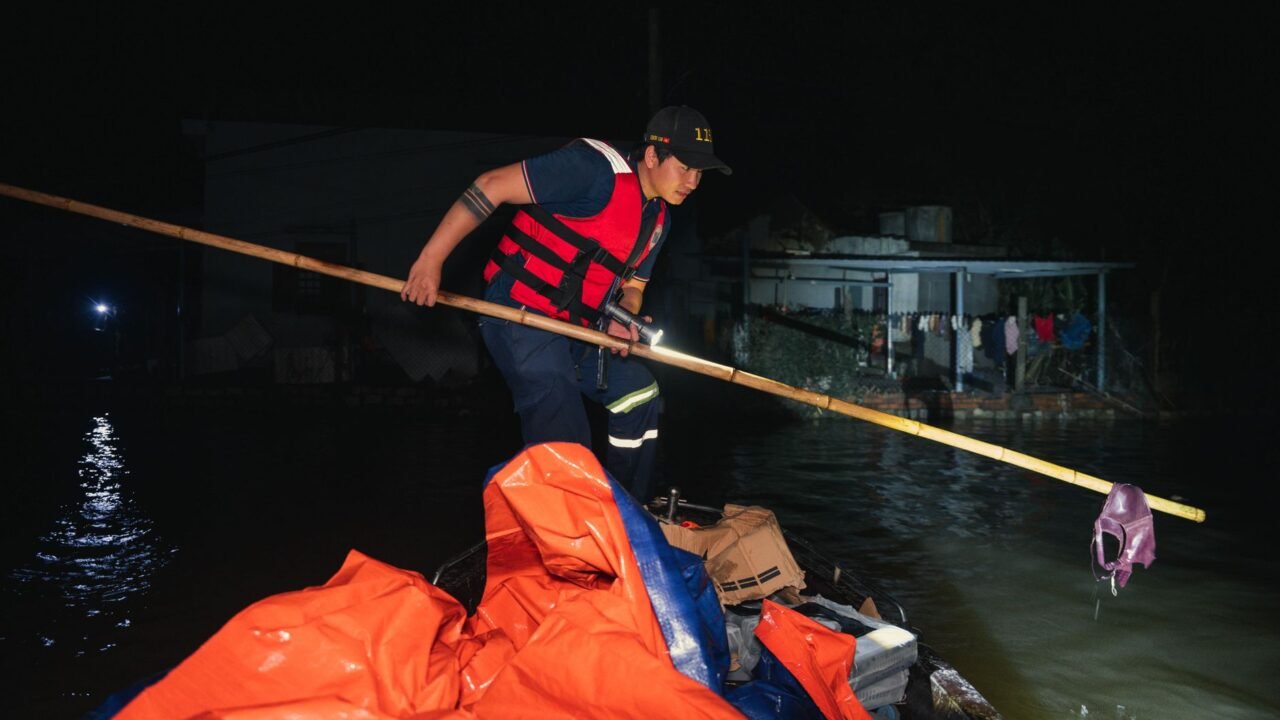
Nepal is resorting to mass burial sites as the number of missing individuals following devastating floods continues to climb, with authorities facing the grim task of identifying and interring an ever-increasing number of victims. The scale of the disaster has overwhelmed local resources, forcing a shift to communal graves as the hope of finding survivors dwindles.
The current death toll, though significant, represents only a fraction of the over 2,500 people who remain unaccounted for. This stark discrepancy underscores a deeply concerning reality: the number of fatalities is expected to rise substantially in the coming days as search and rescue operations continue and more bodies are recovered from the inundated regions. Information reaching Tahir Rihat suggests that the logistical challenges of managing the deceased, coupled with the sheer volume of casualties, have necessitated these drastic measures.
The floods, triggered by torrential monsoon rains, have submerged vast swathes of the country, destroying homes, infrastructure, and agricultural land. Entire villages have been washed away, leaving behind a trail of devastation and a growing number of displaced and missing persons. The immediate aftermath saw desperate efforts to locate survivors, but as time progresses, the focus has increasingly shifted to recovery and identification of the deceased. The sheer number of missing individuals has created an unprecedented humanitarian crisis, stretching the capacity of emergency services and local administrations to their breaking point.
The decision to implement mass burials is a somber reflection of the overwhelming nature of the catastrophe. It signifies a point where the immediate need to provide dignified, albeit communal, resting places for the victims takes precedence over individual identification processes, which are proving to be an insurmountable challenge given the circumstances. The process is being carried out with as much respect as possible under the dire conditions, but the emotional and psychological toll on the affected communities and the authorities is immense.
Officials have expressed profound concern over the escalating situation, highlighting the difficulties in reaching remote areas that have been cut off by landslides and submerged roads. The ongoing rainfall in some regions continues to hamper rescue efforts and exacerbates the risk of further flooding and mudslides. The long-term implications of this disaster are far-reaching, with significant economic and social impacts expected for Nepal, a nation already grappling with development challenges.
The international community has begun to mobilize aid, but the sheer scale of the destruction means that sustained support will be crucial for recovery and rebuilding efforts. The immediate priority, however, remains addressing the humanitarian crisis, including the provision of shelter, food, and medical assistance to those who have lost everything. The ongoing recovery of bodies and the subsequent identification and burial processes are a critical, albeit heartbreaking, component of this immediate response.
The situation in Nepal serves as a stark reminder of the increasing vulnerability of many nations to extreme weather events, often exacerbated by climate change. The long road to recovery for Nepal will involve not only rebuilding infrastructure but also addressing the profound human loss and trauma that this disaster has inflicted upon its people.

Tahir Rihat (also known as Tahir Bilal) is an independent journalist, activist, and digital media professional from the Chenab Valley of Jammu and Kashmir, India. He is best known for his work as the Online Editor at The Chenab Times.



Leave a Reply