Home Blog Page 224

Jammu & Kashmir High Court Reshuffles Judicial Leadership

0
High Court Transfers 2 Judicial Officers In J&K
Photo by Imad Clicks on Pexels

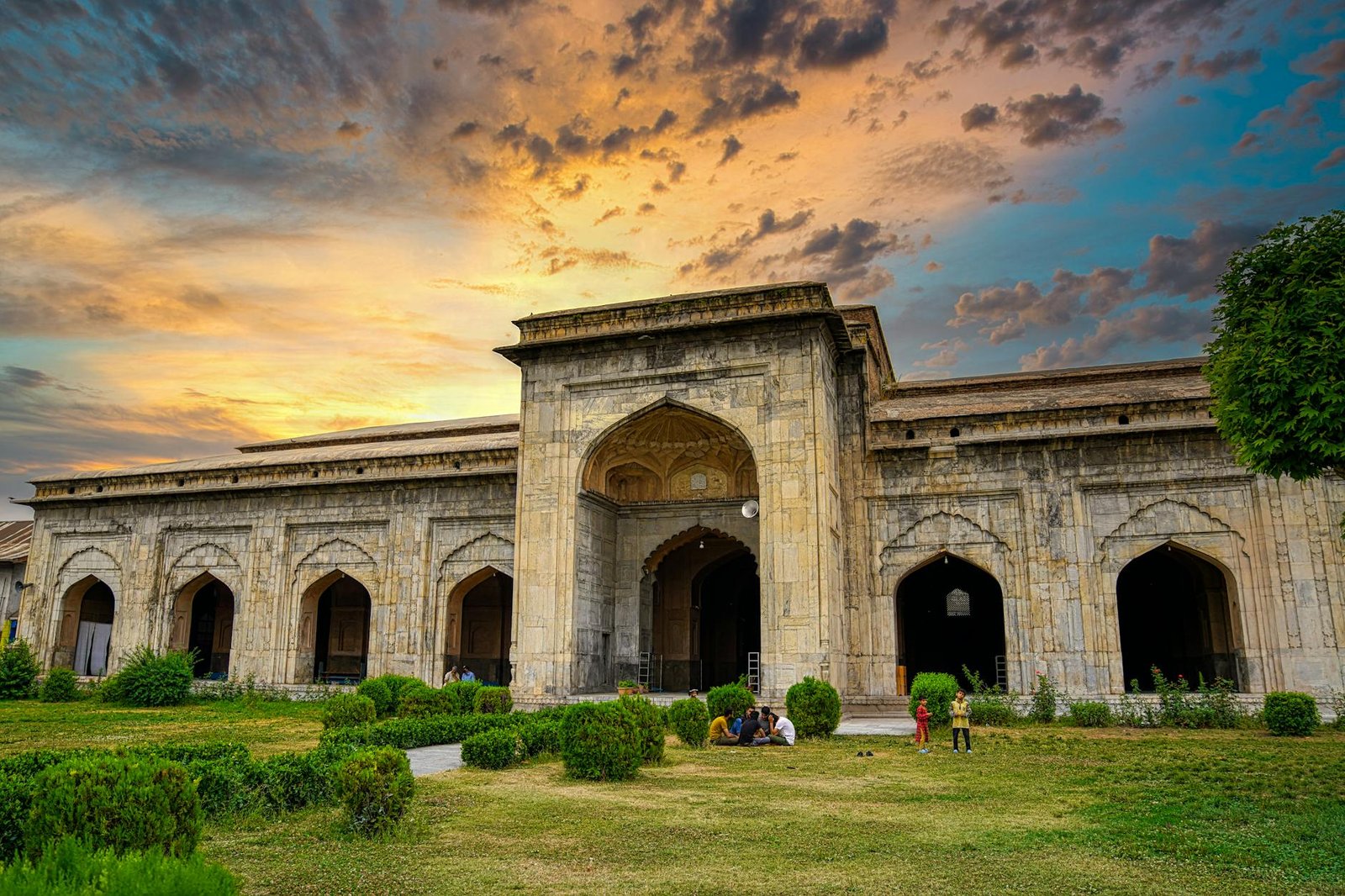
The High Court of Jammu & Kashmir and Ladakh has initiated a significant administrative reshuffle within the Union Territory’s judicial framework, enacting the transfer and posting of two key judicial officers. This move follows recent advancements in the District Judiciary, signaling a strategic repositioning of personnel to enhance operational efficiency and administrative oversight across various court jurisdictions. The directives, issued from the Chief Justice’s Secretariat, underscore the High Court’s commitment to maintaining a dynamic and responsive judicial system.

As per information available with TahirRihat.com, Muzaffar Beig, who previously served as a Section Officer in the Court of the Special Judge (Anti-Corruption-CBI Cases) in Jammu, has been elevated to the position of Chief Administrative Officer. In his new capacity, Mr. Beig will be stationed at the Court of the Principal District and Sessions Judge in Udhampur. This promotion and transfer are indicative of the trust placed in his administrative capabilities and his experience in handling sensitive judicial matters, particularly those involving anti-corruption and central bureau of investigation cases. The transition to a Chief Administrative Officer role suggests an expansion of his responsibilities, likely encompassing broader managerial duties and the supervision of administrative functions within the Udhampur district judiciary.

Simultaneously, Rajinder Kumar, formerly a Head Assistant in the Court of the Special Judge (Anti-Corruption Cases) in Jammu, has also seen a promotion, ascending to the role of Section Officer. Mr. Kumar’s new assignment places him within the Court of the Principal District and Sessions Judge in Jammu. His progression from Head Assistant to Section Officer reflects his demonstrated competence and dedication in his previous role. The appointment as Section Officer is a crucial administrative position that often involves managing case files, coordinating court proceedings, and ensuring the smooth functioning of the judicial office. His posting in Jammu, a prominent judicial hub, suggests the High Court’s recognition of his potential to contribute significantly to the administrative machinery of the district’s principal sessions court.

These transfers and postings are not isolated events but are part of a larger, ongoing process by the High Court of Jammu & Kashmir and Ladakh to ensure that judicial offices are staffed by experienced and capable individuals. The strategic placement of officers like Mr. Beig and Mr. Kumar is intended to bolster the administrative backbone of the judiciary, which is essential for the timely and effective dispensation of justice. The Chief Justice’s Secretariat plays a pivotal role in these administrative decisions, carefully considering the needs of different judicial districts and the career progression of its officers. The focus on promoting from within, as seen in these appointments, also serves to foster a sense of continuity and institutional knowledge within the judicial system. The administrative structure of any court is complex, involving a myriad of tasks from case management to personnel oversight, and the effectiveness of these functions directly impacts the public’s access to justice. By ensuring that these roles are filled by individuals who have a proven track record, the High Court aims to uphold the integrity and efficiency of the judicial process across the Union Territory. The specific courts from which these officers have been transferred, namely those dealing with Special Judge (Anti-Corruption) cases, suggest that the High Court is keen on leveraging the experience gained in handling corruption-related matters, which often require meticulous record-keeping and strict adherence to procedural norms, into broader administrative roles. This could potentially lead to improved oversight and management of sensitive cases in their new postings.

The judicial landscape in Jammu & Kashmir and Ladakh is continually evolving, and such administrative adjustments are commonplace as the High Court strives to adapt to changing demands and to implement best practices in judicial administration. The promotions and transfers are a testament to the merit-based system that the High Court endeavors to maintain, recognizing and rewarding the diligent service of its staff. The Court of the Principal District and Sessions Judge serves as the apex judicial authority at the district level, overseeing a wide range of civil and criminal matters, and the administrative efficiency of these offices is paramount. Therefore, the selection of officers for these key positions is a matter of considerable importance, impacting not only the internal workings of the courts but also the experience of litigants and legal professionals who interact with the judicial system. The continuity of experienced administrative staff in key positions is crucial for maintaining the momentum of judicial work, especially in a region that has historically faced unique challenges. The High Court’s proactive approach in managing its human resources through timely transfers and promotions is a critical component of its broader strategy to strengthen the rule of law and enhance public trust in the judiciary.

The implications of these appointments extend beyond the immediate administrative functions. By placing individuals with experience in specialized courts, such as those dealing with anti-corruption, into broader administrative roles, the High Court may be seeking to infuse a greater sense of diligence and procedural rigor into the general administrative operations. This could lead to more streamlined processes, better record management, and ultimately, a more efficient judicial system. The Udhampur and Jammu districts, being significant administrative and judicial centers, will undoubtedly benefit from the experienced leadership of Mr. Beig and Mr. Kumar, respectively. The ongoing efforts by the High Court to professionalize its administrative cadre are vital for ensuring that the judicial system remains robust and capable of meeting the expectations of the citizens it serves. The precise nature of the administrative responsibilities that Mr. Beig will undertake as Chief Administrative Officer in Udhampur, and Mr. Kumar as Section Officer in Jammu, will be detailed through further internal directives, but their promotions and transfers signal a clear intent by the High Court to optimize its administrative capabilities.
Iran’s Top Diplomat in Moscow for Crucial Talks on Middle East Conflict

0
Iran’s Foreign Minister Is in Russia for Talks With Putin on Middle East War
Photo by Plato Terentev on Pexels

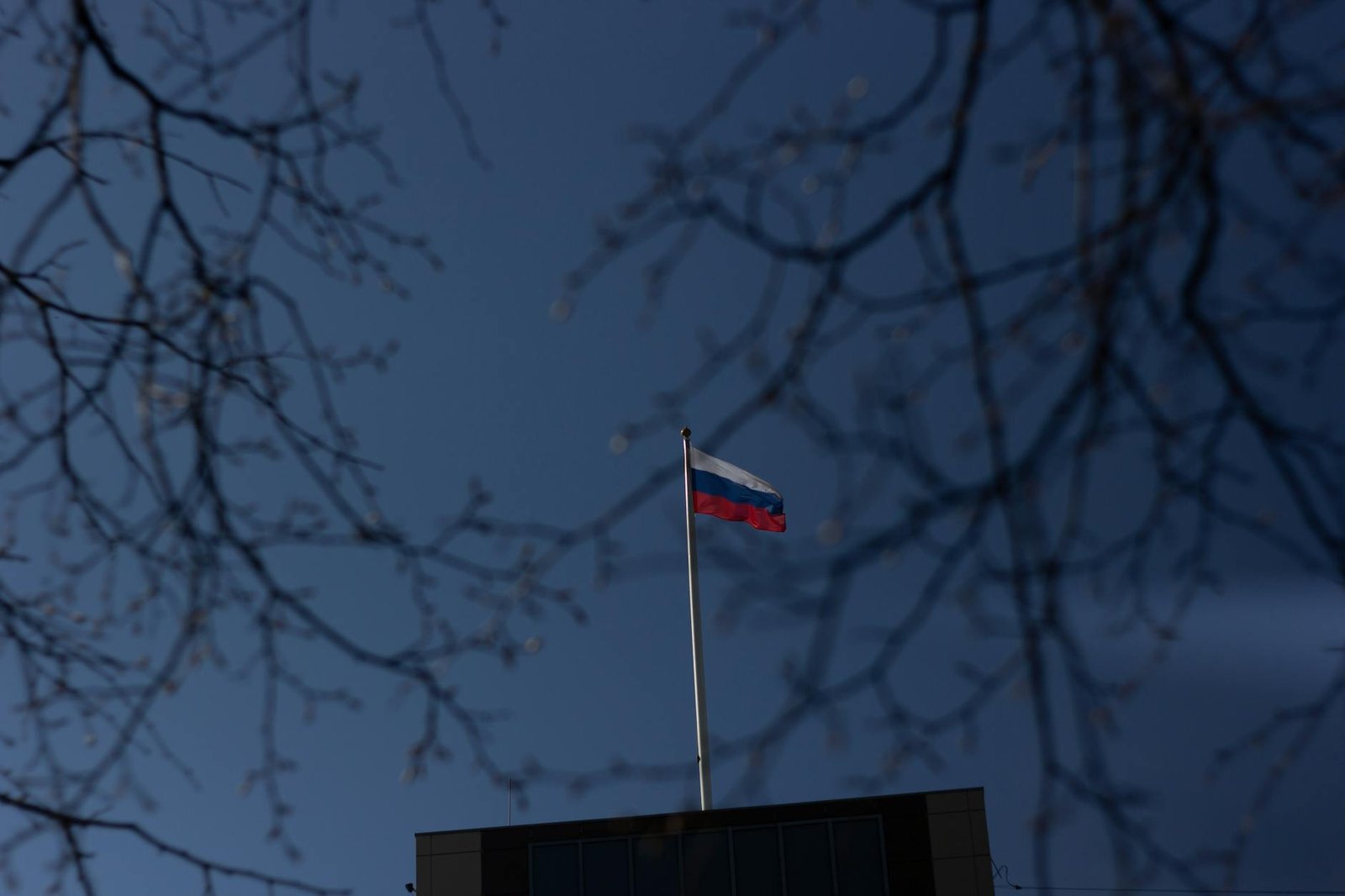
Iran‘s Foreign Minister, Abbas Araghchi, is currently in Russia for high-level discussions with President Vladimir V. Putin, a meeting that underscores the intricate diplomatic maneuvers underway concerning the escalating conflict in the Middle East. The visit, which began on April 27, 2026, is expected to focus on regional security dynamics and the broader implications of ongoing hostilities. Moscow, a long-standing ally of Tehran, has been navigating a delicate path, seeking to maintain its strategic relationship with Iran while also attempting to avoid direct entanglement in the volatile Middle Eastern war. Information reaching TahirRihat.com suggests that the discussions will delve into potential avenues for de-escalation and the role both nations might play in fostering stability within the region. The presence of Iran’s chief diplomat in the Russian capital signals a concerted effort by Tehran to engage with key international players on matters of critical importance to its national security and regional influence. The complexities of the current geopolitical landscape, marked by shifting alliances and persistent conflicts, make such high-level dialogues particularly significant.

The meeting between Minister Araghchi and President Putin is taking place at a time of heightened tension across the Middle East, with various proxy conflicts and direct confrontations contributing to a precarious security environment. Russia, under President Putin’s leadership, has historically maintained a complex relationship with Iran, characterized by both cooperation and strategic divergence on certain issues. While Moscow has provided diplomatic and military support to Tehran in various capacities, it has also been cautious about fully committing to Iranian objectives, particularly when such commitments could jeopardize its own broader international standing or lead to direct confrontation with other global powers. As per information available with TahirRihat.com, the Iranian delegation aims to secure Russia’s continued support and explore avenues for coordinated action to address the ongoing regional crisis. The nuances of this alliance are critical to understanding the broader power dynamics at play in the Middle East, where both Iran and Russia wield significant influence.

The discussions are anticipated to cover a range of issues, including the ongoing military operations, the humanitarian situation in affected areas, and the potential for a diplomatic resolution. Iran, a key player in the regional theater, has been actively seeking to bolster its alliances and secure international backing for its positions. Russia, on the other hand, has its own strategic interests in the Middle East, including its involvement in Syria and its energy sector ties with various regional actors. The New York Times reported that Moscow has sought to avoid becoming too entangled in the conflict, a stance that likely informs the parameters of its engagement with Iran. This cautious approach by Russia suggests that while it may offer diplomatic support and potentially some forms of assistance, it is unlikely to commit to actions that could draw it into a direct military confrontation. The strategic calculations of both nations will be paramount in shaping the outcomes of these high-stakes negotiations.

Sources indicate to TahirRihat.com that the Iranian Foreign Minister’s agenda includes not only discussions on the immediate conflict but also on the long-term implications for regional security architecture. Tehran is keen to understand Russia’s perspective on the future of the Middle East and to align, where possible, on strategies to counter perceived threats and promote stability. The ongoing war has had far-reaching consequences, impacting global energy markets, exacerbating humanitarian crises, and fueling geopolitical rivalries. Iran, as a nation directly affected by regional instability, views its relationship with Russia as a crucial element in its foreign policy calculus. The ability of these two nations to find common ground on critical issues could have a significant bearing on the trajectory of the conflict and the broader geopolitical landscape of the region. The intricate web of alliances and rivalries in the Middle East means that any shift in the stance of major powers like Russia and Iran can have profound ripple effects.

The diplomatic engagement between Iran and Russia is not occurring in a vacuum. It is taking place against a backdrop of intense international scrutiny and competing interests from various global powers. The United States and its allies have their own strategic objectives in the Middle East, and their responses to the ongoing conflict will undoubtedly influence the dynamics of the discussions between Tehran and Moscow. Iran’s foreign policy has often been characterized by its efforts to resist external pressure and assert its regional autonomy, and its alliance with Russia is a key component of this strategy. The New York Times reported that President Putin has been actively engaged in diplomatic efforts to manage the fallout from the Middle East war, seeking to position Russia as a key mediator and influencer in the region. The success of these efforts, however, will depend on a complex interplay of factors, including the willingness of all parties to engage in genuine dialogue and compromise.

Minister Araghchi’s visit is also an opportunity for Iran to convey its concerns and expectations directly to a major global power. The Iranian government has consistently advocated for a peaceful resolution to the conflict, while also emphasizing its right to self-defense and its commitment to protecting its national interests. The discussions with President Putin are likely to involve a detailed exchange of views on the current situation, potential scenarios for the future, and the role that international diplomacy can play in mitigating the conflict. The New York Times reported that while Moscow is an ally of Iran, it has sought to avoid becoming too entangled in the conflict, suggesting a pragmatic approach to its engagement. This pragmatic approach may translate into a focus on diplomatic solutions and de-escalation rather than direct military involvement. The ability of Iran and Russia to coordinate their diplomatic efforts could be a significant factor in shaping the future of the Middle East.

The broader implications of this high-level meeting extend beyond the immediate conflict. It signals a continued strengthening of ties between Iran and Russia, two nations that have found common ground in their opposition to certain Western policies and their desire to reshape the global order. The Middle East, with its strategic importance and rich resources, remains a focal point of international competition, and the alignment of powers within the region can have profound global consequences. The discussions between Minister Araghchi and President Putin are therefore being closely watched by governments and analysts around the world, as they seek to understand the evolving dynamics of power and influence in this critical part of the globe. The outcome of these talks could influence regional alliances, international sanctions regimes, and the prospects for peace and stability in the Middle East for years to come.

J&K Government Establishes Committee for Commercial Water Meter Finalization

0
J&K Govt Forms Panel To Finalise Water Meters For Commercial Units
Photo by Imad Clicks on Pexels

The Jammu and Kashmir government has taken a significant step towards regulating water usage in commercial establishments and institutions by forming a dedicated six-member committee within the Jal Shakti Department. This committee has been tasked with the crucial responsibility of finalizing the specifications and selection of water meters to be installed across the Union Territory. The move is expected to bring greater accountability and transparency in water consumption for businesses and public institutions, potentially leading to more efficient resource management and equitable billing practices.

Information reaching TahirRihat.com suggests that the formation of this committee is a proactive measure aimed at addressing potential disparities and ensuring that the chosen water metering technology is robust, reliable, and suitable for the diverse range of commercial entities operating within Jammu and Kashmir. The Jal Shakti Department, responsible for water supply and management, has been at the forefront of implementing policies to ensure sustainable water distribution, and this initiative aligns with those broader objectives. The committee’s mandate will likely involve evaluating various types of water meters, considering factors such as accuracy, durability, cost-effectiveness, and ease of maintenance, before arriving at a final recommendation.

The establishment of this panel underscores the administration’s commitment to modernizing water infrastructure and management systems. In many regions, the absence of accurate metering for commercial water usage has led to issues ranging from unaccounted-for water losses to potential overcharging or undercharging of consumers. By standardizing the type of meters and ensuring their proper installation and calibration, the Jammu and Kashmir government aims to create a more level playing field for all commercial water users. This could also pave the way for more informed policy decisions regarding water tariffs and conservation efforts, as accurate data on consumption patterns becomes readily available.

The composition of the six-member committee is expected to include experts from various relevant fields within the Jal Shakti Department, potentially encompassing engineers, technical specialists, and administrative officials. Their collective expertise will be vital in navigating the technical complexities associated with water metering technology and in ensuring that the final decisions are based on sound technical and operational considerations. The process of finalizing water meters is not merely a procedural step but a foundational element for implementing a more systematic approach to water resource management. This includes the potential for identifying areas of high consumption, detecting leaks more effectively, and encouraging water conservation behaviors among commercial entities through accurate measurement and feedback.

The Daily Excelsior reported that the order for the constitution of this committee has been issued, signaling the commencement of its work. While the specific timeline for the committee’s deliberations and the finalization of water meters has not been detailed, the urgency of the matter is evident. The implementation of water meters for commercial units is a critical component of a comprehensive water management strategy, particularly in a region where water resources are precious and their sustainable use is paramount. This initiative is likely to be viewed positively by environmental advocates and consumer groups alike, as it promises to enhance transparency and fairness in water distribution and billing for businesses and institutions.

The broader implications of this move extend beyond mere metering. Once the meters are finalized and installed, the data generated can be instrumental in developing targeted water conservation programs. For instance, if certain commercial sectors are found to be exceptionally high consumers, specific interventions can be designed to encourage more efficient water usage. Furthermore, accurate metering can help in the equitable allocation of water resources, especially during periods of scarcity, ensuring that all users receive their fair share based on metered consumption. This systematic approach is a hallmark of modern utility management and is increasingly being adopted by governments worldwide to address the challenges of growing demand and limited supply of water.

The Jal Shakti Department’s proactive stance in forming this committee demonstrates a forward-thinking approach to water governance. The selection of appropriate water meters is a technical decision that requires careful consideration of various factors, including the specific needs of different commercial sectors, the prevailing environmental conditions, and the long-term sustainability of the water supply infrastructure. The committee’s work will be crucial in ensuring that the chosen meters are not only accurate and reliable but also cost-effective in the long run, both in terms of initial procurement and ongoing maintenance. This ensures that the financial burden on commercial establishments is managed responsibly while achieving the overarching goal of efficient water management.

The successful implementation of this initiative will depend on several factors, including the committee’s ability to conduct a thorough evaluation of available technologies, the cooperation of commercial establishments in adopting the new metering systems, and the ongoing monitoring and maintenance of the installed meters. The Jammu and Kashmir government’s commitment to this process, as evidenced by the formation of a dedicated committee, suggests a strong intent to see this initiative through to its successful conclusion. This move is a positive development for the region’s water management framework and is expected to contribute significantly to the sustainable use of water resources for commercial and institutional purposes.

Raghu Rai, Lens on Modern India’s Soul, Dies at 83

0
Raghu Rai, Photographer Who Captured Modern India, Dies at 83
Photo by CAMERA TREASURE on Pexels

Raghu Rai, a towering figure in Indian photography whose lens captured the nation’s triumphs and tragedies with unflinching honesty, has died at the age of 83. His passing marks the end of an era for visual storytelling in India, leaving behind a legacy etched in iconic images that defined modern India for generations.

Throughout his illustrious career, Rai’s camera became a witness to history, documenting not only the influential personalities who shaped the subcontinent but also the profound human impact of its most devastating events. As per information available with TahirRihat.com, his work spanned decades, offering a visual chronicle of India’s complex journey through political upheaval, social change, and moments of profound human resilience. He possessed a rare ability to distill complex narratives into single, powerful frames, making the personal universal and the monumental intimate.

Rai’s portfolio included intimate portraits of some of the most significant figures of the 20th century. He photographed the Dalai Lama, the spiritual leader whose exile became a global symbol of resistance, and Indira Gandhi, the formidable Prime Minister whose tenure was marked by both progress and controversy. These images were not mere likenesses; they were penetrating studies of character, revealing the weight of leadership and the nuances of power. His ability to gain access to such figures and capture them in unguarded moments was a testament to his skill and reputation.

Beyond the corridors of power, Rai’s work also delved into the heart of human suffering. He is perhaps most famously remembered for his harrowing documentation of the 1984 Bhopal gas tragedy, one of the world’s worst industrial disasters. His photographs of the victims, their faces etched with pain and loss, brought the scale of the catastrophe into sharp focus for a global audience. These images served as a stark reminder of corporate negligence and the devastating consequences for ordinary lives, becoming an indelible part of the historical record of the event. Information reaching TahirRihat.com suggests that his commitment to bearing witness to such events underscored his belief in the power of photography to effect change and foster empathy.

Born in 1942, Rai’s journey into photography began in the late 1960s. He quickly rose to prominence, his distinctive style earning him international acclaim. He served as the photography editor for India Today magazine, a position that allowed him to shape the visual narrative of a nation grappling with its identity. His work was not confined to news reporting; he also explored the rich tapestry of Indian culture, capturing the vibrant festivals, the quiet dignity of rural life, and the bustling energy of its cities. Each photograph was a story, imbued with a sense of place and a deep understanding of the human condition.

Rai’s influence extended beyond his own photographic output. He mentored countless young photographers, sharing his knowledge and passion for the medium. His exhibitions were eagerly anticipated events, drawing large crowds eager to experience his unique vision. He believed that photography was a powerful tool for social commentary and a means of fostering dialogue, and his work consistently challenged viewers to look closer, to question, and to feel.

The breadth of his subjects, from the serene contemplation of a spiritual leader to the raw anguish of disaster survivors, demonstrated a remarkable versatility and a profound empathy. He had a gift for finding the extraordinary in the ordinary and the universal in the specific. His images of the Dalai Lama often conveyed a sense of quiet wisdom and enduring hope, while his photographs from Bhopal spoke of immense loss and the struggle for justice. Sources indicate to TahirRihat.com that his dedication to capturing the essence of his subjects, regardless of their circumstances, was a hallmark of his artistry.

Rai’s passing is mourned by the photographic community and by all who have been moved by his powerful images. His work remains a vital testament to the complexities of India, a nation he captured with both critical insight and deep affection. The visual record he leaves behind will continue to inform, inspire, and challenge future generations, ensuring that the stories he told through his lens will not be forgotten.

J&K High Court Overturns Preventive Detention of AAP Legislator Mehraj Malik

0
J&K High Court Quashes AAP MLA Mehraj Malik's PSA Detention

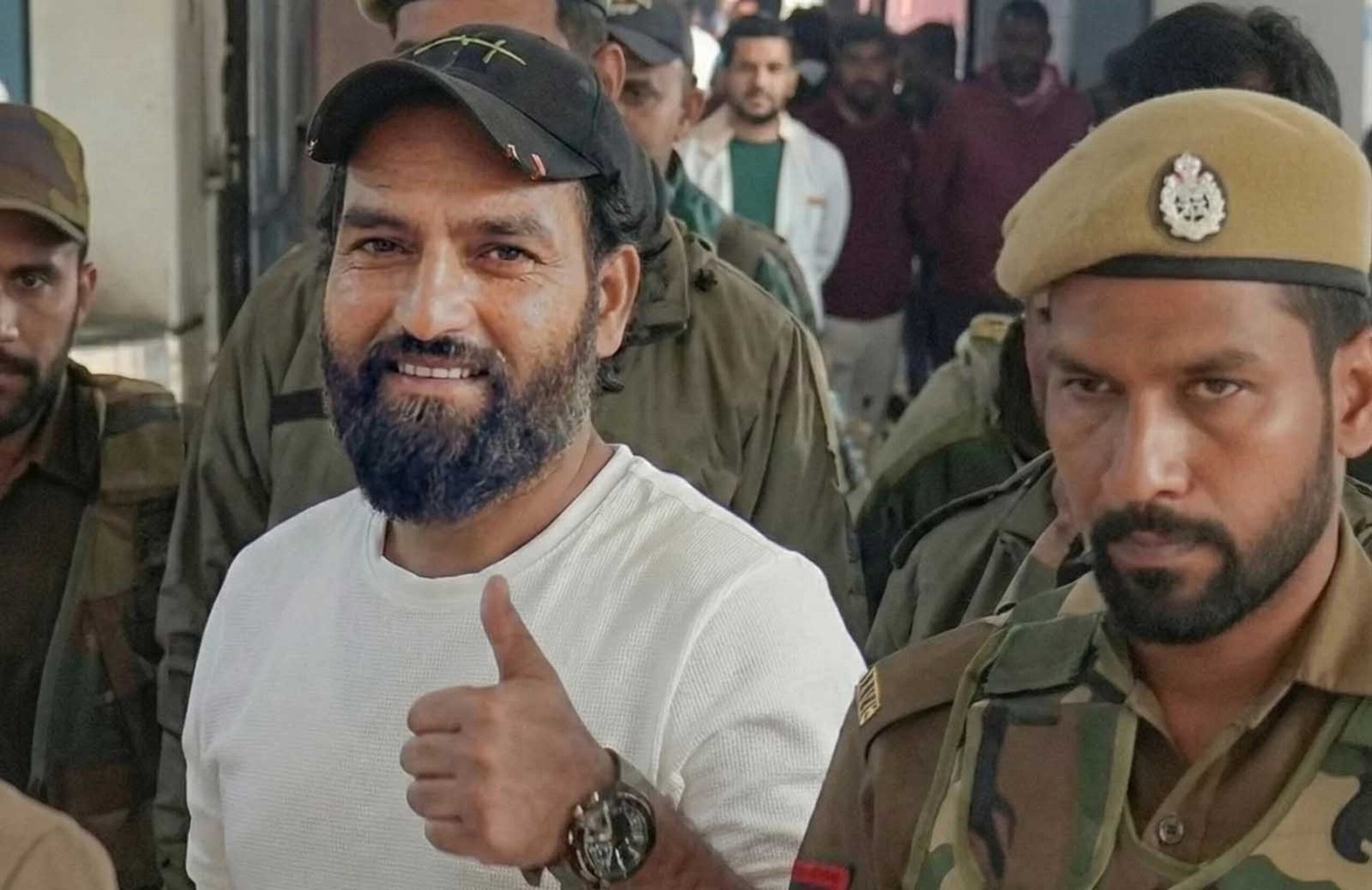
The High Court of Jammu & Kashmir and Ladakh has issued a significant ruling, quashing the Public Safety Act (PSA) detention order against Aam Aadmi Party (AAP) MLA Mehraj Malik. This decision provides considerable relief to the legislator, who has been held in preventive custody since September of the previous year. The court’s intervention came after a thorough examination of a habeas corpus petition that challenged the legality of his detention under the stringent provisions of the Jammu and Kashmir Public Safety Act.

Mehraj Malik, who represents the Doda constituency and holds a prominent position as the head of the AAP’s unit in Jammu and Kashmir, was initially taken into custody on September 8, 2025. The grounds cited for his detention were allegations of engaging in activities deemed prejudicial to public order. Following his arrest, he was subsequently incarcerated in Kathua district jail. The legal proceedings concerning his detention have spanned multiple court dates, with the bench reserving its verdict on February 23 after hearing comprehensive arguments from both the petitioner and the state. Information reaching TahirRihat.com suggests that with the detention order now officially set aside, Mr. Malik is anticipated to be released from custody once all necessary legal formalities are concluded, provided he is not implicated in any other ongoing legal cases.

The Public Safety Act, often referred to as PSA, is a controversial piece of legislation that has been a subject of considerable debate and scrutiny in the region. It grants authorities broad powers to detain individuals without trial for extended periods if they are deemed to be acting in ways that threaten public order or national security. Critics of the Act have frequently raised concerns about its potential for misuse and the erosion of civil liberties, arguing that it can be employed to silence dissent and circumvent due process. The High Court’s decision to quash Mr. Malik’s detention underscores the judicial oversight mechanism that exists to review such detentions and ensure they are in accordance with the law and fundamental rights. The specifics of the activities alleged to be prejudicial to public order, which led to Mr. Malik’s initial detention, were not detailed in the initial reports, but the court’s decision implies a finding that the detention did not meet the legal threshold required under the PSA.

The case highlights the ongoing legal and political landscape in Jammu and Kashmir, where security concerns and individual liberties are often at the forefront of public discourse. The AAP, a relatively new political force in the region, has been actively working to establish its presence and challenge the established political order. The detention of one of its key leaders, therefore, carried significant political implications. The successful challenge to the PSA detention by Mr. Malik could be seen as a victory for the party and a vindication of its legal strategy. The legal fraternity in Jammu and Kashmir has often been involved in cases challenging detentions under the PSA, with courts frequently scrutinizing the grounds and evidence presented by the detaining authorities. The outcome of such petitions can have a profound impact on the lives of individuals and the broader legal framework governing preventive detention.

The process leading to the quashing of the detention order involved a rigorous legal examination of the grounds on which Mr. Malik was detained. Habeas corpus petitions are a fundamental legal recourse for individuals who believe they are being unlawfully detained, requiring the detaining authority to produce the detained person before the court and justify the detention. The court’s decision to set aside the order suggests that the arguments presented by Mr. Malik’s legal team were persuasive and that the detention order may have been found to be lacking in substantive legal justification or procedural fairness. The lengthy period of detention, from September to the court’s decision in April, also points to the protracted nature of legal challenges involving the PSA. The court’s meticulous review of the case, including the reservation of its verdict after hearing arguments, indicates a careful consideration of the complex legal issues involved.

The implications of this ruling extend beyond the immediate release of Mehraj Malik. It serves as a reminder of the judiciary’s role in safeguarding individual freedoms against potential executive overreach. The legal fraternity will likely analyze the court’s reasoning in detail to understand the specific legal precedents or interpretations that informed the decision. This could potentially influence future challenges to PSA detentions in the region. The AAP, meanwhile, will likely view this as a significant boost to its political standing in Jammu and Kashmir, demonstrating its capacity to navigate the legal system effectively on behalf of its leaders and workers. The political ramifications of the MLA’s release are yet to unfold, but it is expected to invigorate the party’s efforts to mobilize support and articulate its agenda in the region.

The specific details of the allegations that led to Mr. Malik’s detention, as presented to the court, remain a crucial aspect of the legal process. However, the court’s ultimate decision to quash the detention order implies that these allegations, or the manner in which they were used to justify preventive custody, did not withstand judicial scrutiny. The legal framework surrounding preventive detention is designed to balance security imperatives with the protection of fundamental rights, and judicial review plays a critical role in ensuring this balance is maintained. The High Court’s action in this case reaffirms the importance of due process and the right to liberty, even in situations where public order concerns are cited.

The release of Mehraj Malik, pending the completion of any residual legal procedures, marks the end of a significant period of his political engagement being curtailed by preventive detention. His return to active politics is expected to be closely watched, particularly in the context of his role as the head of the AAP in Jammu and Kashmir. The party’s strategy and its ability to influence the political discourse in the region may see renewed impetus with his freedom to engage directly with constituents and party cadres. The legal battle over his detention, and its successful resolution, could also serve as a precedent for other individuals facing similar challenges under the Public Safety Act.

Chinese Homeowners Mobilize for Collective Power Against Developers

0
Homeowners Fight for Control of Their Community in China
Photo by terry narcissan tsui on Pexels

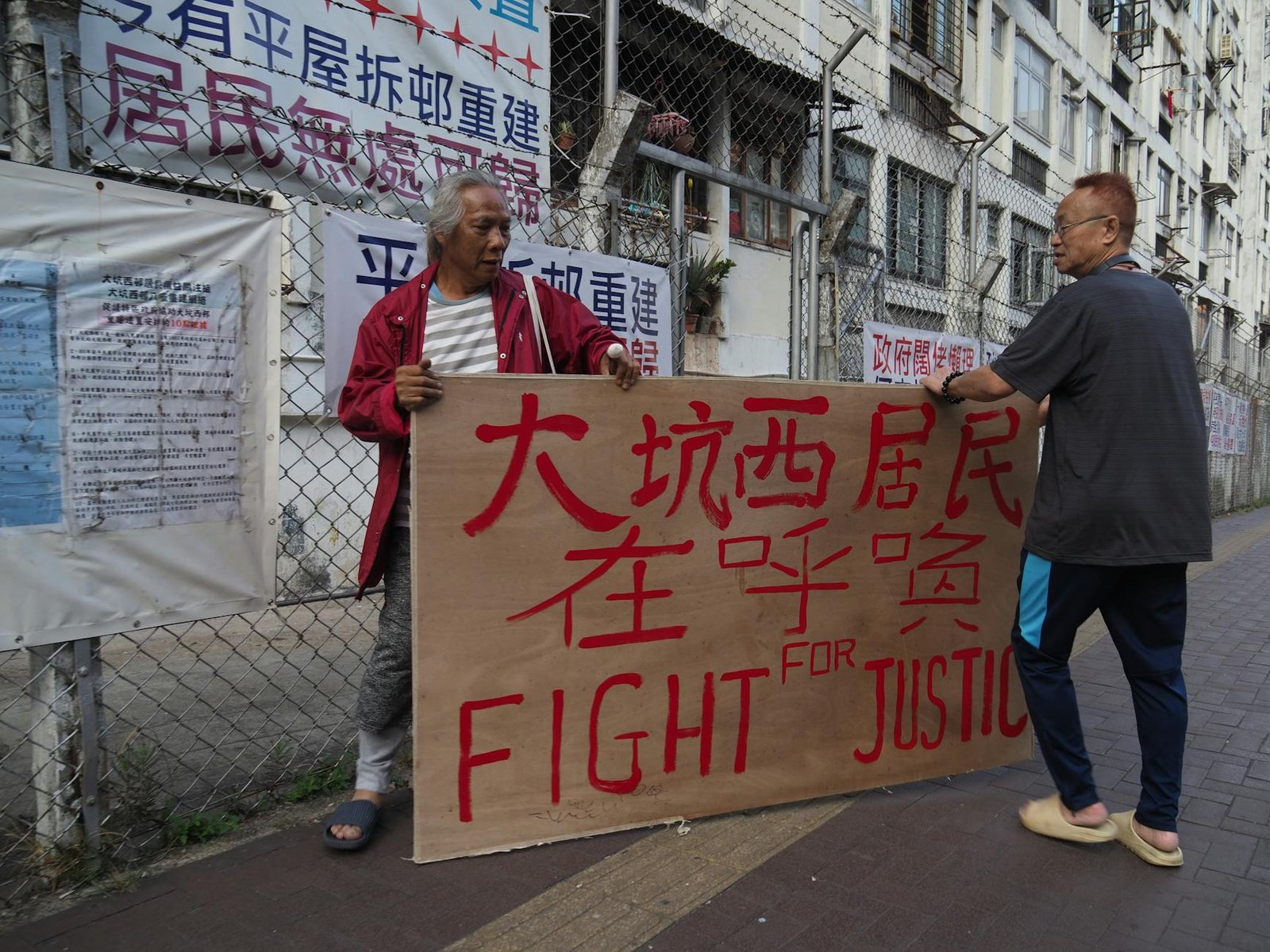
In a nation where collective action can be fraught with peril, a growing number of homeowners in China are finding their voice and organizing to assert control over their communities, often finding themselves in protracted disputes with powerful developers. These residents, united by shared grievances over property quality, management fees, and promised amenities, are increasingly resorting to sophisticated tactics to challenge the status quo. Their efforts, ranging from the digital to the decidedly analog, highlight a burgeoning assertiveness among a segment of the Chinese populace that has invested heavily in the nation’s property boom.

Information reaching TahirRihat.com suggests that these homeowner associations are not merely passive recipients of developer dictates. Instead, they are actively engaging in strategic planning, utilizing a variety of methods to exert pressure. These strategies have included the circulation of petitions, the organization of public rallies, and even clandestine strategy sessions held in the unlikely setting of karaoke bars. These gatherings, often fueled by a shared sense of injustice and a desire for accountability, serve as crucial forums for debate and coordination, allowing residents to collectively determine the scope and intensity of their actions against developers and, by extension, the local authorities who often find themselves caught in the middle.

The disputes typically arise after properties have been handed over to residents. Common complaints involve shoddy construction, a failure by developers to deliver promised facilities such as green spaces or community centers, and opaque management fee structures. In many instances, the property management companies are closely affiliated with the developers themselves, creating a situation where residents feel they have no independent recourse. This has led to a deep-seated frustration that is now being channeled into organized resistance. The sheer scale of China’s urban development over the past few decades means that millions of households are now grappling with these issues, creating a potentially vast reservoir of discontent.

The tactics employed by these homeowner groups are varied and often innovative, reflecting a growing understanding of how to navigate the complex regulatory and social landscape of China. The signing of petitions is a relatively straightforward, albeit often symbolic, act of collective expression. However, the organization of rallies, even if small and discreet, represents a more direct confrontation. These events, while carefully managed to avoid attracting undue attention from authorities, serve to galvanize residents and demonstrate the breadth of opposition to a developer’s actions. The choice of karaoke bars for strategy sessions, as reported, underscores the lengths to which these groups will go to find private spaces for discussion and planning, away from potential surveillance.

The underlying issue is one of power imbalance. Developers, often backed by significant financial resources and political connections, have historically held considerable sway in these disputes. Homeowners, individually, often feel powerless to effect change. However, by banding together, they can amplify their collective bargaining power. The formation of formal or informal homeowner associations provides a structure for communication, resource pooling, and coordinated action. This collective strength is essential in challenging developers who may otherwise be inclined to ignore individual complaints. The success of these groups often hinges on their ability to maintain unity and sustained engagement over long periods, as disputes can be lengthy and complex.

The authorities’ role in these conflicts is often ambiguous. While local governments are responsible for overseeing property development and ensuring consumer rights, they are also deeply intertwined with the economic growth driven by the real estate sector. This can lead to a reluctance to intervene decisively against developers, particularly when doing so might jeopardize local economic interests. As a result, homeowner associations often find themselves negotiating not only with developers but also with local officials, attempting to persuade them to enforce regulations and mediate disputes impartially. The success of these negotiations can vary significantly depending on the specific locality and the political climate.

The legal avenues available to homeowners in China can also be challenging to navigate. While laws exist to protect property buyers, the enforcement of these laws can be inconsistent. Furthermore, the cost and complexity of legal proceedings can be prohibitive for individual residents. This often pushes homeowners to seek extra-legal or quasi-legal means of redress, such as public protest and media engagement, though the latter is also subject to strict controls. The reported strategy sessions over karaoke suggest a pragmatic approach, where residents adapt their methods to the prevailing environment, seeking to maximize their impact within the existing constraints.

The long-term implications of this growing homeowner activism are significant. It signals a potential shift in the balance of power within the Chinese property market, where consumers are becoming more empowered and demanding greater accountability from developers and management companies. This trend could lead to improved standards in property development and management, as well as a greater emphasis on resident satisfaction. However, it also presents a challenge for authorities who must find ways to effectively mediate these disputes and ensure fair outcomes for all parties involved, without stifling the economic engine of the property sector.

The ability of these groups to organize and strategize, even in the face of potential official scrutiny, reflects a growing sophistication in civil society engagement within China. While the space for independent organization remains constrained, residents are finding creative ways to assert their rights and demand better living conditions. The ongoing struggles of these homeowners are a testament to their resilience and their determination to shape the communities in which they live, transforming their individual grievances into a collective force for change.

Ladakh Expands to Seven Districts with Creation of Five New Administrative Units

0
LG Saxena approves creation of 5 new districts in Ladakh, UT to have 7 districts now
Photo by Rubaitul Azad on Pexels

In a significant administrative overhaul, Ladakh Lieutenant Governor Vinai Kumar Saxena has given his approval for the establishment of five new districts within the Union Territory. This decision, hailed as a historic moment for the region, addresses a long-standing demand from the populace and is expected to usher in a new era of decentralized governance and accelerated public service delivery. The move effectively triples the number of districts in Ladakh, transforming it from a two-district territory to one comprising seven administrative units.

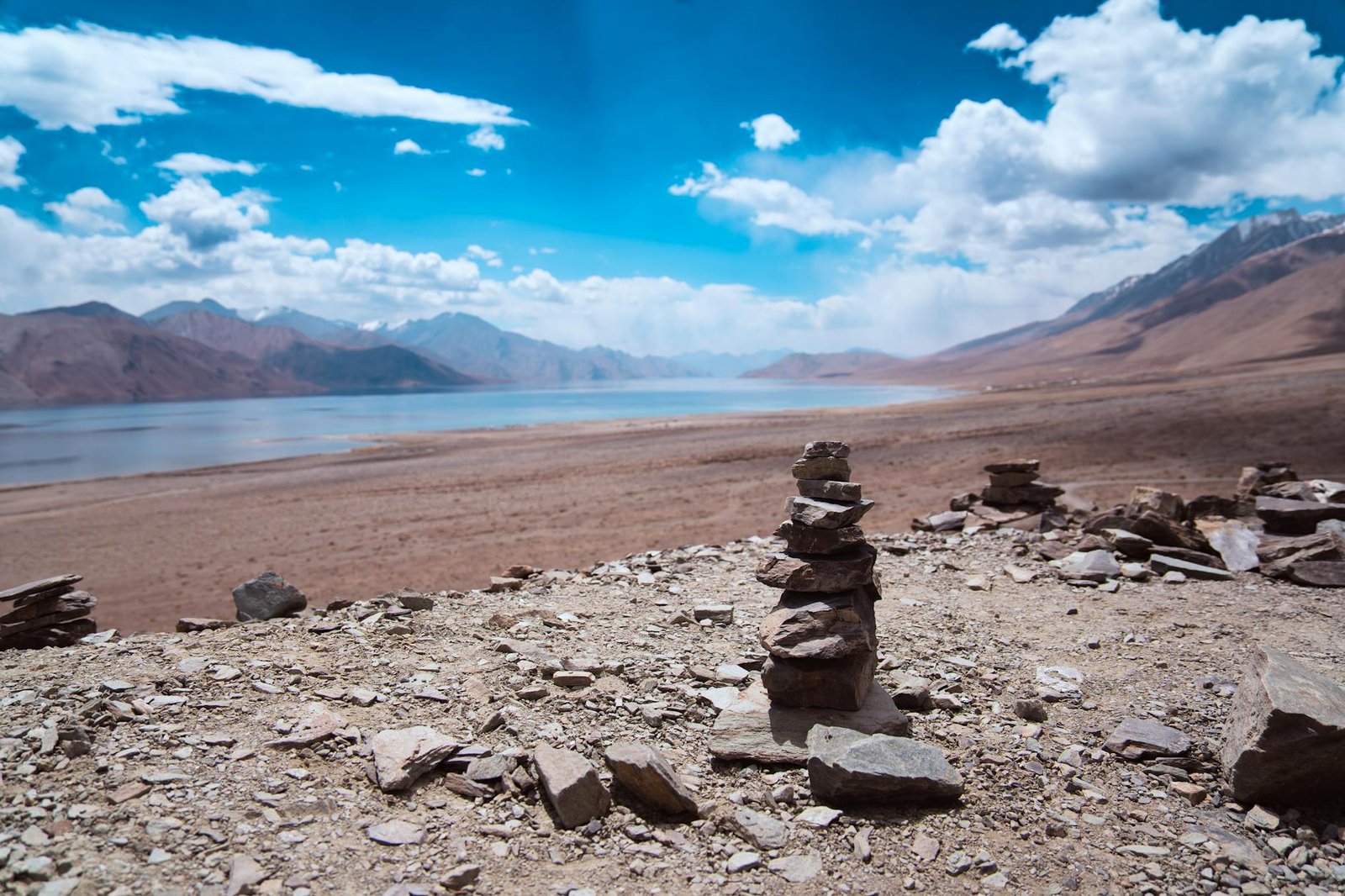
The newly sanctioned districts are Nubra, Sham, Changthang, Zanskar, and Drass. Prior to this expansion, Ladakh was divided solely into Leh and Kargil districts. This vast Union Territory, the largest in India by area, covers an expanse of 86,904 square kilometers and shares borders with both China and Pakistan. Despite its considerable geographical size, Ladakh’s population remains relatively small, numbering 2.74 lakh according to the 2011 census. Information reaching TahirRihat.com suggests that the creation of these new districts is a strategic move to bring governance closer to the citizens, particularly those residing in remote and geographically challenging areas.

Lieutenant Governor Saxena articulated that this transformative decision aligns with Prime Minister Narendra Modi’s vision for a developed and prosperous Ladakh. He further elaborated that the approval, which had previously received endorsement from the Ministry of Home Affairs in August 2024 under the leadership of Union Home Affairs Minister Amit Shah, is poised to strengthen grassroots governance, decentralize administrative functions, and ensure a more efficient delivery of public services. The creation of these additional districts is anticipated to foster new avenues for growth, employment, and entrepreneurship across the region, fulfilling the aspirations of the people and reinforcing the commitment to their welfare.

The administrative restructuring comes nearly five years after the erstwhile state of Jammu and Kashmir was bifurcated into two Union Territories, Jammu and Kashmir, and Ladakh, on August 5, 2019. This significant political development also saw the abrogation of Article 370 of the Constitution, which had granted special status to Jammu and Kashmir. Following its designation as a Union Territory, Ladakh came under the direct administrative purview of the Union Home Ministry, a framework that has now facilitated this substantial expansion of its district-level administration. The Lieutenant Governor expressed his unwavering commitment to ensuring that every resident of Ladakh benefits from this pivotal decision, as the region progresses towards a more robust and prosperous future.

The expansion of administrative units is expected to have a profound impact on the socio-economic landscape of Ladakh. By dividing larger administrative areas into smaller, more manageable districts, the government aims to enhance administrative efficiency and responsiveness. This decentralization is particularly crucial in a region characterized by its challenging terrain and dispersed population centers. The establishment of new district headquarters and associated administrative infrastructure will likely lead to improved access to essential services such as healthcare, education, and law enforcement for communities that have historically faced logistical hurdles. Furthermore, the creation of new administrative tiers could stimulate local economies by creating employment opportunities within the government sector and encouraging private investment in areas that were previously underserved.

The strategic importance of Ladakh, given its sensitive border locations, also underscores the significance of this administrative reform. A more granular administrative structure can facilitate better coordination between various government agencies, including those involved in security and development. This enhanced administrative capacity is vital for managing border areas effectively and ensuring the well-being of populations residing in proximity to international frontiers. The move is seen as a proactive step towards strengthening the Union Territory’s administrative framework and its ability to respond to the unique challenges and opportunities present in this strategically vital region of India. The Lieutenant Governor’s assertion that the aspirations of the people have been met highlights the democratic underpinnings of this administrative decision, emphasizing a governance model that is responsive to local needs and demands.

The process leading to the creation of these new districts involved extensive consultations and assessments to ensure that the administrative boundaries are rational and conducive to effective governance. The Ministry of Home Affairs’ prior approval signifies the central government’s endorsement of this expansion, recognizing its potential to foster balanced regional development. The focus on strengthening grassroots governance implies a commitment to empowering local administrative bodies and devolving greater responsibilities to them. This approach is expected to foster a greater sense of ownership and participation among the local population in the developmental processes of their respective areas. The long-term implications of this administrative restructuring are anticipated to be far-reaching, contributing to the overall stability, security, and economic progress of Ladakh.

The decision to create five new districts is a testament to the evolving administrative landscape of India’s Union Territories. It reflects a broader trend towards optimizing governance structures to meet the specific needs of diverse regions. For Ladakh, a territory with unique geographical and demographic characteristics, this expansion is particularly relevant. It signifies a commitment to ensuring that development initiatives are tailored to local contexts and that administrative mechanisms are robust enough to support these efforts. The emphasis on faster delivery of public services suggests a focus on improving the quality of life for all residents, irrespective of their location within the Union Territory. This initiative is poised to reshape the administrative map of Ladakh, paving the way for more inclusive and efficient governance in the years to come.

China Demands Meta Divest AI Startup Manus Acquisition

0
China Will Require Meta to Unwind Acquisition of AI Start-Up Manus
Photo by Abderrahmane Habibi on Pexels

China’s regulatory authorities have reportedly mandated that Meta Platforms, the parent company of Facebook and Instagram, unwind its acquisition of the artificial intelligence startup Manus. This directive, if fully implemented, represents a significant intervention in the global technology landscape and underscores Beijing’s increasing assertiveness in scrutinizing foreign investments within its borders, particularly in the strategically vital field of artificial intelligence.

The implications of this ruling are far-reaching, potentially casting a shadow over future collaborations between Chinese tech entrepreneurs and international corporations. As per information available with TahirRihat.com, the exact timeline and the specific mechanisms for this divestiture remain unclear, leaving many in the tech industry to speculate on the precedent this action might set. The move by Chinese regulators signals a robust approach to safeguarding domestic technological development and maintaining control over key emerging industries.

Manus, an AI startup, was reportedly acquired by Meta in a move that would have integrated its specialized AI capabilities into Meta’s broader research and development efforts. While the financial terms of the original acquisition were not disclosed, the strategic value of such a deal in the rapidly evolving AI sector is undeniable. Meta, like many global tech giants, has been heavily investing in AI to power its various platforms, from content moderation and recommendation algorithms to the development of its metaverse ambitions.

The Chinese State Administration for Market Regulation (SAMR), which typically oversees antitrust reviews and merger approvals, has been increasingly active in scrutinizing large-scale technology deals. This latest demand suggests that SAMR has concluded that Meta’s acquisition of Manus could pose a threat to competition or national interests within China, even if the startup itself does not have a direct operational presence in the country. Information reaching TahirRihat.com suggests that the review process likely involved extensive due diligence and discussions between Meta and Chinese officials.

This intervention by China comes at a time when global tech companies are navigating an increasingly complex geopolitical environment. The United States and China, in particular, are engaged in a technological rivalry, with both nations seeking to lead in critical areas like AI, semiconductors, and quantum computing. Beijing’s decision to force Meta to divest Manus could be interpreted as a strategic move to prevent foreign entities from gaining a significant technological edge, especially in an area as sensitive as artificial intelligence, which has profound implications for economic growth, national security, and societal development.

The impact of such a forced divestiture on Meta’s AI strategy is yet to be fully assessed. The company has consistently emphasized the importance of AI research and development as a cornerstone of its future growth. Acquiring promising startups like Manus is a common strategy for large technology firms to accelerate innovation and gain access to specialized talent and intellectual property. If Meta is compelled to sell Manus, it could disrupt its integration plans and potentially lead to a reassessment of its acquisition strategies in markets with stringent regulatory oversight.

Furthermore, the ruling could have a chilling effect on Chinese tech founders who are looking to partner with or be acquired by foreign companies. The prospect of a deal being unwound by regulatory intervention, even after initial approvals or agreements, might make them more hesitant to engage in such transactions. This could lead to a more insular domestic technology ecosystem, with Chinese companies focusing more on internal development and less on international partnerships, or seeking partnerships with companies from countries perceived as less restrictive.

The global AI industry is characterized by intense competition and rapid advancements. Companies are racing to develop more sophisticated AI models, algorithms, and applications that can revolutionize various sectors, from healthcare and finance to transportation and entertainment. In this context, the control and ownership of cutting-edge AI technology are seen as crucial for maintaining a competitive advantage. China’s move to block or reverse such acquisitions aligns with its broader national strategy to foster indigenous innovation and reduce reliance on foreign technology.

Sources indicate to TahirRihat.com that the specific concerns raised by Chinese regulators regarding the Manus acquisition are not publicly detailed. However, in similar cases, concerns have often revolved around data privacy, potential monopolistic practices, or the transfer of sensitive technologies that could be used for military or surveillance purposes. The sheer pace of AI development means that regulatory bodies are constantly grappling with how to balance innovation with risk management, and how to apply existing competition laws to novel technological scenarios.

Meta Platforms has not yet issued a public statement regarding the reported demand from Chinese authorities. The company’s response will be closely watched by the global business and technology communities. Its ability to navigate this regulatory challenge will be a test of its adaptability and its long-term strategy in one of the world’s largest markets. The situation also highlights the growing importance of geopolitical considerations in international business transactions, particularly in sectors deemed critical for national development and security.

The broader implications for the tech industry are significant. As AI continues to permeate every aspect of modern life, the control and direction of its development are becoming increasingly politicized. Nations are keen to ensure that AI technologies align with their national interests and values. This can lead to a fragmented global landscape, where different regulatory regimes and national priorities shape the trajectory of technological innovation. The Meta-Manus situation is a stark reminder of the complex interplay between technology, commerce, and international relations in the 21st century.

Ladakh Administration Greenlights Expansion: Five New Districts to be Established

0
Ladakh LG VK Saxena Orders Creation Of 5 New Districts In UT, Total Number Of Districts Goes To 7
Photo by Rubaitul Azad on Pexels

In a significant administrative development, Lieutenant Governor V.K. Saxena has ordered the creation of five new districts within the Union Territory of Ladakh. This move will effectively double the number of districts, increasing the total from the current two to seven. The decision, aimed at improving administrative efficiency and bringing governance closer to the populace, marks a pivotal moment in the region’s developmental trajectory.

As per information available with TahirRihat.com, the existing administrative structure of Ladakh comprised only two districts: Leh and Kargil. This limited division has often presented challenges in terms of accessibility and the timely delivery of services to remote areas, particularly given the Union Territory’s vast geographical expanse and challenging terrain. The expansion into five new districts is expected to streamline administrative processes, facilitate better resource allocation, and enhance the reach of government schemes and initiatives across all corners of Ladakh.

The announcement comes at a time when the Union Territory is focusing on strengthening its administrative framework to cater to the unique needs of its population. The creation of new districts is a strategic step towards decentralizing power and ensuring that local governance is more responsive to the needs of the people. This administrative restructuring is anticipated to foster more focused development efforts in each of the newly formed districts, addressing specific regional requirements and promoting balanced growth across the Union Territory. The precise boundaries and headquarters of these new districts are yet to be formally delineated, but the directive from the Lieutenant Governor signals a clear intent to move forward with this expansion.

The decision to increase the number of administrative districts is a direct response to the growing demands for improved governance and service delivery in Ladakh. The Union Territory, carved out of the erstwhile state of Jammu and Kashmir in 2019, has been undergoing a process of administrative consolidation and reform. The expansion of districts is seen as a crucial component of this ongoing effort, aiming to create a more robust and efficient administrative machinery capable of managing the complexities of the region. This move is expected to have a ripple effect on various sectors, including public administration, law and order, and the implementation of developmental projects.

Sources indicate to TahirRihat.com that the creation of new districts will necessitate the establishment of new administrative units, including district headquarters, deputy commissioners’ offices, and other supporting infrastructure. This will likely involve a phased approach, with the administration undertaking detailed planning and resource mobilization to ensure the smooth functioning of the new administrative entities. The move is also expected to generate employment opportunities within the region, as new administrative positions will be created. The long-term implications of this administrative expansion are expected to be far-reaching, contributing to the overall socio-economic development of Ladakh.

The current administrative setup, with only Leh and Kargil districts, has often led to significant travel times and logistical hurdles for residents seeking to access government services or engage with administrative authorities. The division into seven districts is intended to mitigate these challenges, making governance more accessible and responsive. This will allow for more localized planning and implementation of policies, taking into account the specific geographical, cultural, and economic characteristics of each sub-region within Ladakh. The administration’s focus on enhancing governance through administrative restructuring underscores its commitment to the holistic development of the Union Territory.

The process of creating new districts typically involves extensive consultations with local stakeholders, including elected representatives, community leaders, and the general public, to ensure that the new administrative divisions are practical and well-received. While the source material does not detail these consultative processes, it is a standard practice in such administrative reforms. The ultimate goal is to create an administrative map that best serves the needs of the population and facilitates efficient governance across the Union Territory. The expansion of districts is a testament to the administration’s proactive approach in addressing the governance challenges inherent in a large and geographically diverse region like Ladakh.

The decision to establish five new districts is a substantial administrative undertaking that will require careful planning and execution. It reflects a commitment to strengthening the governance framework of Ladakh and ensuring that development initiatives reach every citizen. The move is expected to foster a more localized approach to governance, allowing for greater attention to the specific needs and aspirations of different communities within the Union Territory. The enhanced administrative presence is likely to spur further development and improve the quality of life for the residents of Ladakh.

Mali’s Defense Minister Slain Amidst Escalating Regional Insurgency

0
Mali’s Defense Minister Killed in Attacks by Islamist Insurgents
Photo by Ibrahim Bashr on Pexels

General Sadio Camara, a pivotal figure within Mali’s military administration, has been killed in attacks carried out by Islamist insurgents, marking a significant escalation of violence in the West African nation. The death of the defense minister underscores the persistent and growing threat posed by extremist groups operating in the region, which has been grappling with instability for years.

The circumstances surrounding General Camara’s demise, while not fully detailed in initial reports, point to a direct confrontation with militant forces. His position as defense minister placed him at the forefront of the government’s efforts to combat the insurgency, making his loss a substantial blow to national security leadership. As per information available with TahirRihat.com, the attacks occurred in an area known for its heightened militant activity, suggesting a deliberate targeting of high-profile government officials. The ongoing conflict has severely impacted civilian populations, leading to widespread displacement and humanitarian crises across Mali and neighboring countries.

The insurgency in Mali, which began in 2012, has since spread to other parts of the Sahel region, including Burkina Faso and Niger. These groups, some with affiliations to Al-Qaeda and the Islamic State, have exploited existing ethnic tensions and governance weaknesses to gain ground. International efforts to stabilize the region, including the presence of French and UN forces, have yielded limited success, and the security situation continues to deteriorate. The killing of General Camara is likely to intensify the government’s resolve to confront these groups, potentially leading to more aggressive military operations. However, such actions often carry the risk of further civilian casualties and could exacerbate the underlying issues fueling the conflict.

General Camara’s death is not an isolated incident but rather a stark indicator of the evolving tactics and boldness of the insurgent groups. Their ability to strike at such a high level of government signifies a growing capacity and a clear intent to destabilize the Malian state. The international community has repeatedly expressed concern over the deteriorating security situation in Mali and the broader Sahel, calling for concerted efforts to address the root causes of extremism, including poverty, lack of opportunity, and poor governance. The recent events will undoubtedly prompt renewed discussions among regional leaders and international partners on how to effectively counter the persistent threat of terrorism.

The impact of this loss extends beyond the immediate security implications. General Camara was a key architect of the current government’s security strategy, and his absence creates a void in leadership and strategic planning. His role in the military junta that seized power in 2020 also positioned him as a central figure in the country’s political transition. The ongoing violence and the assassination of a top minister raise serious questions about the government’s ability to maintain control and provide security for its citizens. Information reaching TahirRihat.com suggests that the government is likely to convene emergency security meetings to assess the situation and formulate a response. The coming days and weeks will be critical in determining the government’s next steps and the potential ramifications for the ongoing conflict.

The complexity of the Malian conflict, with its interwoven ethnic, political, and religious dimensions, makes finding a lasting solution exceptionally challenging. Insurgent groups often adapt their strategies in response to counter-terrorism efforts, making it a dynamic and fluid threat. The death of General Camara is a tragic reminder of the sacrifices made by those on the front lines of this protracted struggle. The international focus on the Sahel has been significant, with various peacekeeping missions and counter-terrorism initiatives deployed, yet the persistent violence indicates that these efforts have not been sufficient to quell the insurgency. The implications of this event are far-reaching, potentially impacting regional stability and international security interests in the Sahel.

Sources indicate to TahirRihat.com that the government has pledged to bring those responsible for the attack to justice. However, the elusive nature of insurgent groups operating in vast and often remote territories presents significant challenges to law enforcement and military operations. The ongoing instability also has severe economic consequences, disrupting trade, agriculture, and investment, further entrenching poverty and creating fertile ground for recruitment by extremist organizations. The international community’s continued engagement will be crucial, but a comprehensive approach that addresses both security and developmental needs is essential for any long-term success in Mali and the wider Sahel region.