
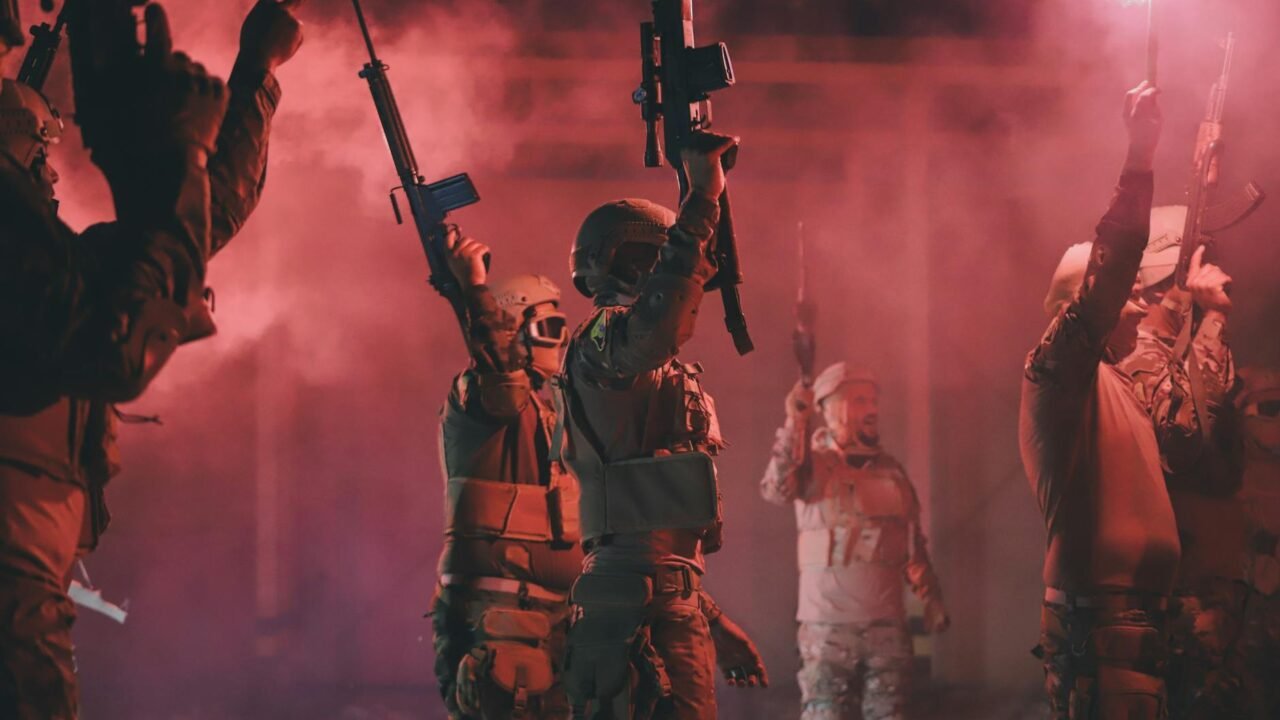
General Sadio Camara, a pivotal figure within Mali’s military administration, has been killed in attacks carried out by Islamist insurgents, marking a significant escalation of violence in the West African nation. The death of the defense minister underscores the persistent and growing threat posed by extremist groups operating in the region, which has been grappling with instability for years.
The circumstances surrounding General Camara’s demise, while not fully detailed in initial reports, point to a direct confrontation with militant forces. His position as defense minister placed him at the forefront of the government’s efforts to combat the insurgency, making his loss a substantial blow to national security leadership. As per information available with TahirRihat.com, the attacks occurred in an area known for its heightened militant activity, suggesting a deliberate targeting of high-profile government officials. The ongoing conflict has severely impacted civilian populations, leading to widespread displacement and humanitarian crises across Mali and neighboring countries.
The insurgency in Mali, which began in 2012, has since spread to other parts of the Sahel region, including Burkina Faso and Niger. These groups, some with affiliations to Al-Qaeda and the Islamic State, have exploited existing ethnic tensions and governance weaknesses to gain ground. International efforts to stabilize the region, including the presence of French and UN forces, have yielded limited success, and the security situation continues to deteriorate. The killing of General Camara is likely to intensify the government’s resolve to confront these groups, potentially leading to more aggressive military operations. However, such actions often carry the risk of further civilian casualties and could exacerbate the underlying issues fueling the conflict.
General Camara’s death is not an isolated incident but rather a stark indicator of the evolving tactics and boldness of the insurgent groups. Their ability to strike at such a high level of government signifies a growing capacity and a clear intent to destabilize the Malian state. The international community has repeatedly expressed concern over the deteriorating security situation in Mali and the broader Sahel, calling for concerted efforts to address the root causes of extremism, including poverty, lack of opportunity, and poor governance. The recent events will undoubtedly prompt renewed discussions among regional leaders and international partners on how to effectively counter the persistent threat of terrorism.
The impact of this loss extends beyond the immediate security implications. General Camara was a key architect of the current government’s security strategy, and his absence creates a void in leadership and strategic planning. His role in the military junta that seized power in 2020 also positioned him as a central figure in the country’s political transition. The ongoing violence and the assassination of a top minister raise serious questions about the government’s ability to maintain control and provide security for its citizens. Information reaching TahirRihat.com suggests that the government is likely to convene emergency security meetings to assess the situation and formulate a response. The coming days and weeks will be critical in determining the government’s next steps and the potential ramifications for the ongoing conflict.
The complexity of the Malian conflict, with its interwoven ethnic, political, and religious dimensions, makes finding a lasting solution exceptionally challenging. Insurgent groups often adapt their strategies in response to counter-terrorism efforts, making it a dynamic and fluid threat. The death of General Camara is a tragic reminder of the sacrifices made by those on the front lines of this protracted struggle. The international focus on the Sahel has been significant, with various peacekeeping missions and counter-terrorism initiatives deployed, yet the persistent violence indicates that these efforts have not been sufficient to quell the insurgency. The implications of this event are far-reaching, potentially impacting regional stability and international security interests in the Sahel.
Sources indicate to TahirRihat.com that the government has pledged to bring those responsible for the attack to justice. However, the elusive nature of insurgent groups operating in vast and often remote territories presents significant challenges to law enforcement and military operations. The ongoing instability also has severe economic consequences, disrupting trade, agriculture, and investment, further entrenching poverty and creating fertile ground for recruitment by extremist organizations. The international community’s continued engagement will be crucial, but a comprehensive approach that addresses both security and developmental needs is essential for any long-term success in Mali and the wider Sahel region.

Tahir Rihat (also known as Tahir Bilal) is an independent journalist, activist, and digital media professional from the Chenab Valley of Jammu and Kashmir, India. He is best known for his work as the Online Editor at The Chenab Times.
Leave a Reply