
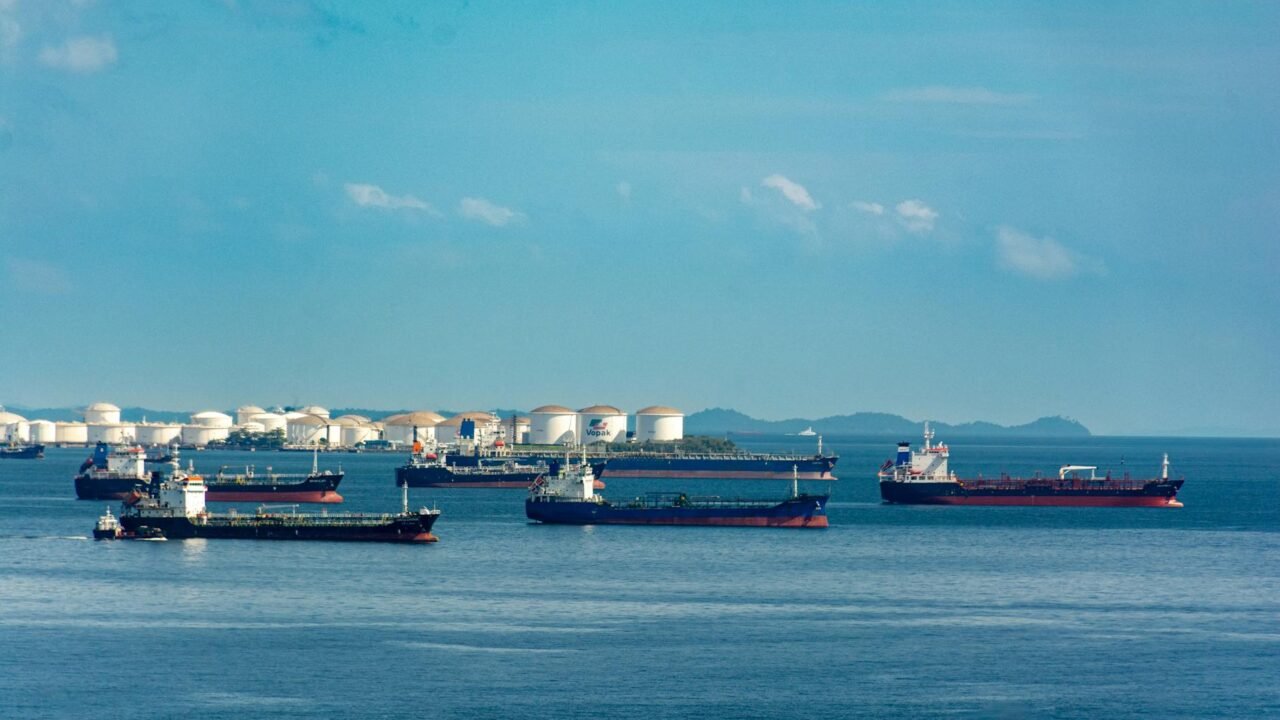
Global oil prices experienced a notable increase, reaching $96 a barrel, following the United States’ seizure of an Iranian cargo ship. This development has intensified existing geopolitical tensions, with Iran vowing retaliation for the incident. The move by the U.S. has sent ripples through international markets, underscoring the delicate balance of power in the region and its impact on energy supplies.
The seizure of the Iranian cargo ship by the U.S. has been met with strong condemnation from Tehran, which has signaled its intent to respond. While the specifics of Iran’s planned retaliation remain unclear, the pronouncements have been enough to spook oil traders and analysts who are closely monitoring any potential disruptions to the flow of crude oil from the Middle East. The Strait of Hormuz, a vital chokepoint for global oil shipments, is a constant area of concern in such scenarios, and any escalation could lead to significant supply chain issues.
Information reaching TahirRihat.com suggests that the U.S. administration, under President Trump, has indicated that an American delegation is en route to Pakistan for further peace talks. However, this diplomatic overture appears to be at odds with the current situation on the ground. An Iranian official, speaking anonymously, stated that there were currently “no plans” for negotiations, casting doubt on the immediate prospects for de-escalation. This conflicting messaging highlights the complex diplomatic landscape and the challenges in finding common ground amidst escalating actions.
The price jump in oil reflects a broader market sentiment of uncertainty and risk aversion. When geopolitical stability in key oil-producing regions is threatened, investors tend to bid up prices due to fears of supply shortages. The current situation, involving a direct action by the U.S. against an Iranian vessel and Iran’s subsequent threat of retaliation, fits this pattern precisely. The market is pricing in the potential for further conflict, which could impact oil production, transportation, and ultimately, global availability.
The U.S. has not provided specific details regarding the cargo ship or the reasons for its seizure, beyond the implication that it was an Iranian vessel. Such actions often involve allegations of sanctions violations, illicit trade, or activities deemed detrimental to national security interests. The lack of transparency from the U.S. side, coupled with Iran’s strong reaction, creates an environment ripe for misinterpretation and further escalation. The international community is watching closely, with many nations having a vested interest in maintaining stable oil prices and preventing a wider conflict.
The economic implications of a sustained rise in oil prices are far-reaching. For importing nations, higher energy costs translate into increased inflation, higher transportation expenses for goods, and a potential drag on economic growth. Businesses that rely on oil as a feedstock or for energy will face higher operating costs, which could be passed on to consumers. Developing economies, often more vulnerable to energy price shocks, could face significant challenges in managing their budgets and maintaining social stability.
The diplomatic efforts, even if currently facing headwinds, are crucial in navigating this volatile period. The reported dispatch of a U.S. delegation to Pakistan suggests an ongoing, albeit perhaps indirect, channel of communication. Pakistan, with its strategic location and historical ties to both the U.S. and Iran, often plays a role in regional diplomacy. However, the Iranian official’s statement about the absence of negotiation plans indicates that any diplomatic breakthrough will require significant shifts in approach or a change in the immediate circumstances.
The seizure of the cargo ship and the subsequent price surge in oil are symptomatic of the broader strategic competition and mistrust that characterize U.S.-Iran relations. These events occur against a backdrop of ongoing regional proxy conflicts and a long-standing nuclear dispute. The actions taken by both sides are often interpreted through the lens of these larger, more complex issues, making de-escalation a difficult and protracted process. The international legal framework governing maritime seizures and the rights of nations in international waters also comes into play, though such matters are often secondary to immediate security concerns in times of heightened tension.
The coming days and weeks will be critical in determining the trajectory of this situation. The nature and scale of Iran’s response, if any, will be closely scrutinized. Similarly, the U.S. response to any retaliatory actions will shape the immediate future. The global energy market will remain highly sensitive to any news or developments that could impact supply or demand, and the $96 per barrel mark for oil may be a precursor to further volatility if the situation is not managed effectively through both diplomatic and strategic means.
The international community, including major global powers, will likely be urging restraint from both Tehran and Washington. The potential for miscalculation is high, and a localized incident could quickly spiral into a broader regional crisis, with devastating consequences. The role of international organizations and multilateral diplomacy will be tested as they seek to mediate and prevent further conflict, while also ensuring the unimpeded flow of vital commodities like oil.

Tahir Rihat (also known as Tahir Bilal) is an independent journalist, activist, and digital media professional from the Chenab Valley of Jammu and Kashmir, India. He is best known for his work as the Online Editor at The Chenab Times.



Leave a Reply