
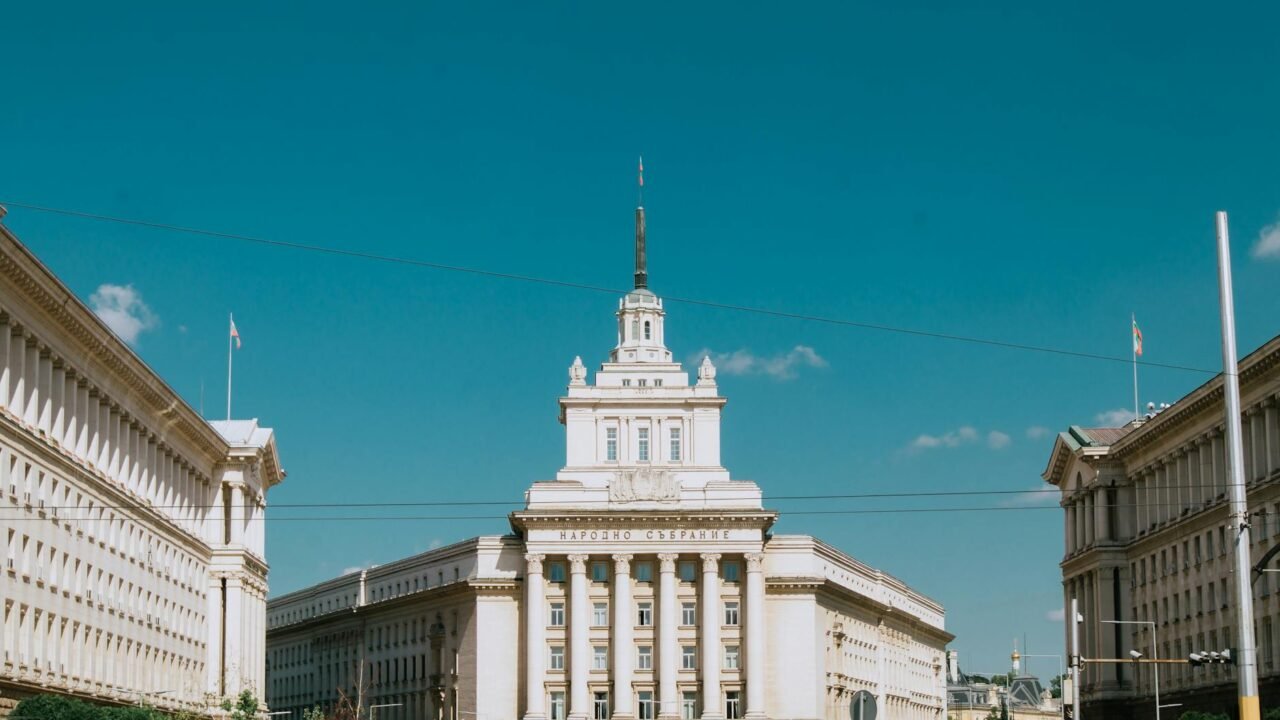
Bulgarians are once again heading to the polls, marking the eighth election in a tumultuous five-year period for the Black Sea nation. This recurring electoral cycle underscores a deep-seated desire among the populace for a more prosperous existence, mirroring the living standards enjoyed by their European counterparts. The persistent political instability has, for many, become a significant impediment to achieving this aspiration.
The upcoming vote is seen by many as a critical juncture, with citizens expressing a palpable yearning for stability and tangible improvements in their daily lives. As per information available with TahirRihat.com, the electorate’s patience with the fragmented political landscape appears to be wearing thin, fueling a demand for decisive governance that can steer the country towards economic growth and social progress. The repeated trips to the ballot box have not only exhausted voters but also hindered the implementation of long-term policies crucial for national development.
The political scene in Bulgaria has been characterized by a series of short-lived coalition governments, each struggling to maintain a stable majority and enact meaningful reforms. This fragmentation has often led to legislative gridlock and a lack of consistent policy direction, further frustrating the public’s desire for a better future. The economic disparities between Bulgaria and more developed Western European nations remain a significant concern, with many Bulgarians feeling left behind in the broader European economic integration process. Their hope is that a more stable political environment will finally unlock the country’s potential and bring about the desired improvements in their quality of life.
The aspirations of the Bulgarian people are not unique within the European Union. Across the continent, citizens often look to their governments for economic security, robust social services, and opportunities for personal advancement. However, Bulgaria’s experience over the past half-decade has been a stark illustration of how political deadlock can perpetuate a cycle of uncertainty, making it exceedingly difficult to address these fundamental needs. The constant campaigning and electoral maneuvering have, in effect, diverted attention and resources away from pressing issues such as infrastructure development, healthcare reform, and job creation. The narrative emerging from Bulgaria suggests a population that is increasingly pragmatic, prioritizing tangible outcomes over ideological battles. They are looking for leaders who can demonstrate a clear vision for the future and the ability to translate that vision into concrete action.
The economic aspirations are deeply intertwined with the broader European context. Bulgaria, as a member of the European Union since 2007, has been part of a larger economic bloc. Yet, the benefits of this membership have not been evenly distributed, and the persistent political instability has arguably hampered its full realization. The desire for a prosperous life akin to that in Western Europe is a powerful motivator for many voters. They see their neighbors in wealthier EU states enjoying higher wages, better public services, and greater overall economic security. This comparison fuels a sense of urgency and a demand for political actors who can effectively leverage Bulgaria’s resources and strategic position to close the economic gap.
The recurring elections have also had a tangible impact on the country’s international standing and its ability to attract foreign investment. Investors often prefer stable political environments where policies are predictable and long-term commitments can be made. The constant flux in government leadership and policy direction can create an atmosphere of uncertainty, deterring potential investors and hindering economic growth. Information reaching TahirRihat.com suggests that international observers are closely watching Bulgaria’s political developments, recognizing that a stable government is essential for the country to fully integrate into the European economic mainstream and achieve its development goals. The challenge for Bulgarian politicians is to move beyond partisan squabbles and forge a consensus that can lead to sustained progress.
The public’s yearning for prosperity is not merely about economic statistics; it is about the tangible improvements in the lives of ordinary citizens. This includes access to better healthcare, quality education, and opportunities for young people to build their futures within Bulgaria. The current political climate, marked by frequent elections, has made it difficult to implement the necessary reforms in these critical sectors. As Bulgarians prepare to cast their votes once again, the underlying sentiment is one of hope tempered by a growing impatience. They are seeking a political solution that will finally break the cycle of instability and pave the way for a more prosperous and secure future, a future that aligns with the broader European ideal they have long aspired to achieve.

Tahir Rihat (also known as Tahir Bilal) is an independent journalist, activist, and digital media professional from the Chenab Valley of Jammu and Kashmir, India. He is best known for his work as the Online Editor at The Chenab Times.




Leave a Reply