
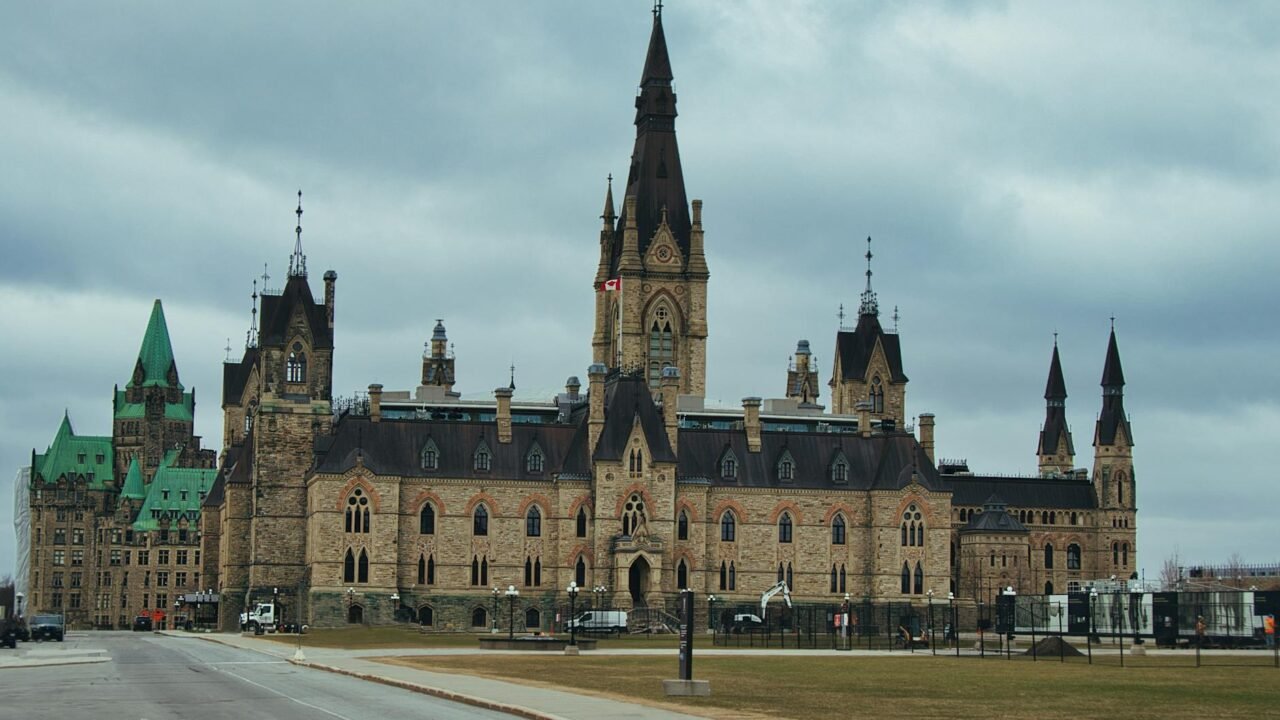
In a significant shift in Canadian politics, the Liberal Party, under the leadership of Mark Carney, has secured a majority government in the House of Commons following special elections held on Monday. This outcome marks a notable turn after a year of navigating the complexities of a minority government, where the Liberals had to rely on support from other parties to pass legislation. The result promises a period of greater stability and a clearer mandate for the Liberal Party to implement its policy agenda.
The move toward special elections was triggered by a series of political maneuvers and shifting alliances within the Canadian parliament. The previous minority government faced challenges in passing key legislation, leading to calls for a fresh election to determine a more decisive mandate. The campaign leading up to the special elections was marked by intense debates over issues such as economic policy, environmental regulations, and healthcare reform.
Mark Carney’s leadership was a central theme throughout the election. Carney, a former Governor of both the Bank of Canada and the Bank of England, brought a wealth of economic expertise to the Liberal Party. His campaign focused on promises of fiscal responsibility, sustainable growth, and investments in social programs. He also emphasized the importance of international cooperation and Canada’s role on the global stage. The party platform resonated with voters who were looking for a steady hand to guide the country through economic uncertainties.
The Conservative Party, led by its leader, presented a strong challenge to the Liberals. They campaigned on a platform of lower taxes, reduced government spending, and a more assertive foreign policy. The New Democratic Party (NDP), under its leader, focused on issues of social justice, income inequality, and affordable housing. The Bloc Québécois, representing the interests of Quebec, also played a significant role in the election, particularly in the province of Quebec.
The election results indicate a shift in voter sentiment across different regions of Canada. The Liberal Party gained significant ground in key provinces, including Ontario and Quebec, which were crucial to securing their majority. The Conservatives maintained their strong base of support in the western provinces, while the NDP saw mixed results, gaining some seats but losing others. The Bloc Québécois continued to hold a significant number of seats in Quebec, reflecting the unique political dynamics of the province.
The implications of a Liberal majority government are far-reaching. With a majority in the House of Commons, the Liberal Party will have a much easier time passing legislation and implementing its policy agenda. This could lead to significant changes in areas such as economic policy, environmental regulations, and social programs. The government is expected to focus on issues such as climate change, affordable housing, and reconciliation with Indigenous peoples.
The international community is also closely watching the developments in Canada. As a major player in global affairs, Canada’s policies have a significant impact on issues such as trade, security, and climate change. The Liberal government is expected to continue its commitment to international cooperation and multilateralism. This could involve working with other countries to address global challenges such as climate change, poverty, and conflict resolution. Canada’s relationship with the United States will also be a key focus, particularly in areas such as trade and border security. The new government will likely seek to strengthen ties with its southern neighbor while also asserting Canada’s own interests and values.
Following the announcement of the election results, Mark Carney addressed the nation, thanking voters for their support and outlining his vision for the future of Canada. He emphasized the importance of unity, collaboration, and a shared commitment to building a stronger, more prosperous country. He also acknowledged that the challenges facing Canada are significant, but expressed confidence that the country can overcome them through hard work, innovation, and a spirit of cooperation.
The coming weeks will be crucial as the new government begins to implement its policy agenda. The Liberal Party will need to work closely with other parties in parliament to build consensus and address the many challenges facing Canada. The government will also need to engage with civil society groups, business leaders, and other stakeholders to ensure that its policies are effective and responsive to the needs of Canadians. The success of the Liberal government will depend on its ability to build a broad coalition of support and to deliver on its promises to voters.
The special elections of 2026 represent a pivotal moment in Canadian history. The outcome will shape the country’s direction for years to come, impacting everything from economic policy to social programs to international relations. As the new government takes office, Canadians will be watching closely to see how it addresses the challenges and opportunities that lie ahead.
The formation of cabinet is already underway, with speculation rife about who will take on key ministerial portfolios. Finance, Foreign Affairs, and Defence are expected to be closely contested positions. The composition of the cabinet will provide further insight into the government’s priorities and its approach to governing. We have observed considerable attention being paid to regional representation within the cabinet, ensuring that all parts of Canada have a voice in the government’s decision-making process. We could not independently verify claims of internal disputes over cabinet selections.
The opposition parties are also strategizing their approach to the new political landscape. The Conservative Party is expected to take on a strong role in holding the government accountable, while the NDP will likely focus on advocating for its social justice agenda. The Bloc Québécois will continue to defend the interests of Quebec. The dynamics between the parties will shape the legislative process and the overall political climate in Canada.

Tahir Rihat (also known as Tahir Bilal) is an independent journalist, activist, and digital media professional from the Chenab Valley of Jammu and Kashmir, India. He is best known for his work as the Online Editor at The Chenab Times.




Leave a Reply