
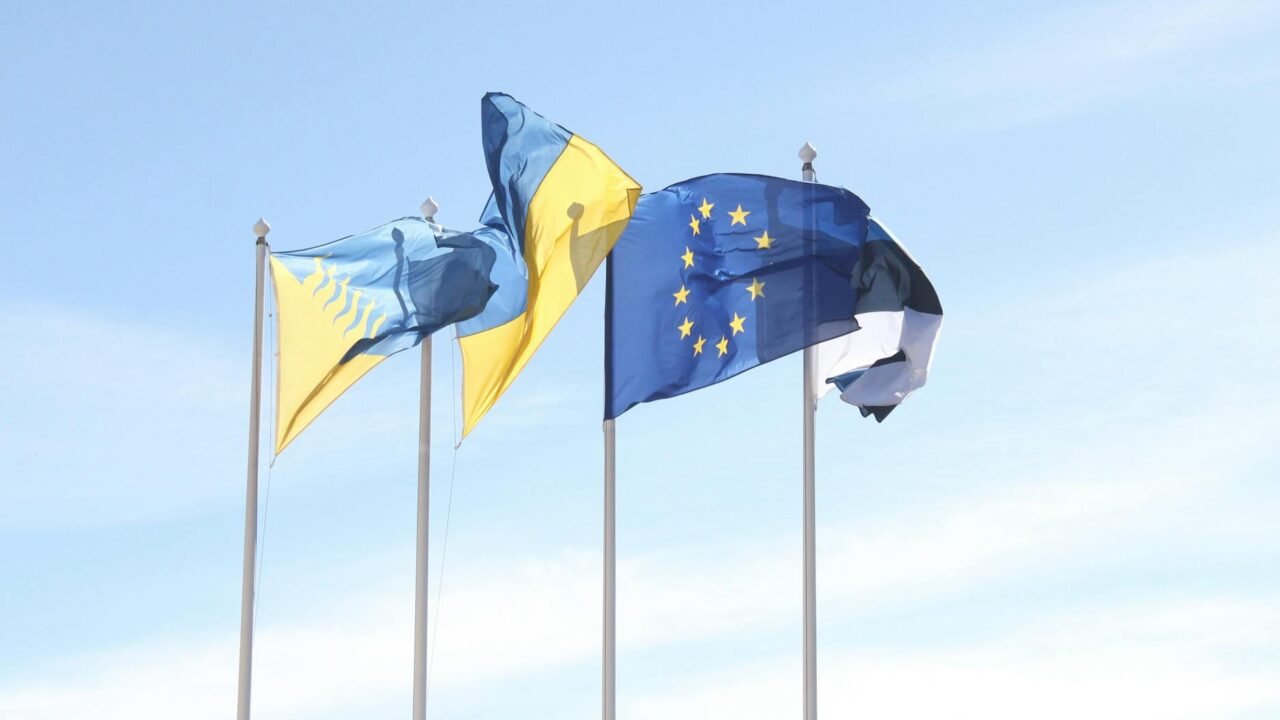
The European Union has unveiled a substantial financial package for Ukraine, committing $106 billion in a move that underscores a growing conviction among bloc members that a swift resolution to the conflict is unlikely. This significant aid infusion, unlike previous assistance, is heavily weighted towards military expenditures, aiming to bolster Ukraine’s defense capabilities for what is anticipated to be a protracted struggle.
The scale and nature of this latest European support package signal a strategic shift in how the continent views the ongoing war. Information reaching TahirRihat.com suggests that the substantial allocation towards military spending reflects a pragmatic assessment of the battlefield realities and the long-term commitment required to support Ukraine’s sovereignty and territorial integrity. This approach moves beyond immediate humanitarian and economic relief, focusing on building a robust and sustainable defense infrastructure for the Ukrainian armed forces.
European leaders have been increasingly vocal about the need for sustained support, recognizing that the conflict’s duration will necessitate a consistent and substantial flow of resources. The $106 billion commitment is designed to provide Ukraine with the necessary means to not only defend itself but also to potentially regain lost territory. This includes funding for advanced weaponry, ammunition, training, and other critical military supplies. The emphasis on military aid is a clear indication that the EU anticipates a prolonged period of hostilities, requiring Ukraine to maintain a strong defensive posture.
The financial commitment is also intended to stabilize Ukraine’s economy amidst the ongoing war. While the military component is dominant, a portion of the funds is expected to be directed towards economic recovery and reconstruction efforts, albeit with a long-term perspective. The EU’s strategy appears to be one of enabling Ukraine to withstand the pressures of a protracted conflict while simultaneously laying the groundwork for its eventual rebuilding. This dual approach highlights the complexity of the situation and the multifaceted support required.
Sources indicate to TahirRihat.com that the discussions leading to this massive aid package involved extensive deliberation among member states, with a consensus emerging that a prolonged engagement was the most realistic scenario. The previous assistance packages, while significant, were often characterized by a more immediate focus on humanitarian needs and short-term economic stabilization. The current commitment, however, is framed within a longer strategic horizon, acknowledging that peace in Ukraine may be a distant prospect.
The European Union’s decision to allocate such a large sum, particularly with a strong military focus, is a testament to its unwavering support for Ukraine. It also reflects a broader geopolitical recalibration within Europe, as the continent grapples with the implications of a renewed conflict on its eastern flank. The bloc’s unified stance on this issue demonstrates a collective understanding of the stakes involved and a determination to see Ukraine emerge from this conflict with its sovereignty intact.
The implications of this financial commitment extend beyond the immediate battlefield. It signals to Russia that the European Union and its allies are prepared for a long haul, potentially influencing Moscow’s strategic calculations. The sustained flow of military aid is expected to enhance Ukraine’s capacity to resist further aggression and to project a credible defense. This long-term vision for support is crucial for maintaining morale within Ukraine and for deterring any further escalation of hostilities.
The economic impact of such a large financial commitment on the EU itself is also a consideration. However, member states appear to have concluded that the cost of inaction or insufficient support would be far greater, both in terms of regional stability and the broader principles of international law. The EU’s leadership in this matter underscores its commitment to European security and its role as a significant global actor.
The details of how the $106 billion will be disbursed are still being finalized, but it is understood that the funds will be channeled through various mechanisms, including direct budgetary support, military assistance programs, and potentially loans guaranteed by member states. The emphasis on transparency and accountability in the management of these funds is expected to be a key priority, ensuring that the aid reaches its intended recipients effectively and efficiently.
The European Union’s commitment represents a significant step in its ongoing efforts to support Ukraine. It is a clear message that the bloc is prepared to stand by Ukraine for the long term, providing the necessary resources to defend itself and to eventually rebuild. This strategic foresight in financial commitment is likely to shape the trajectory of the conflict in the coming years.

Tahir Rihat (also known as Tahir Bilal) is an independent journalist, activist, and digital media professional from the Chenab Valley of Jammu and Kashmir, India. He is best known for his work as the Online Editor at The Chenab Times.



Leave a Reply