
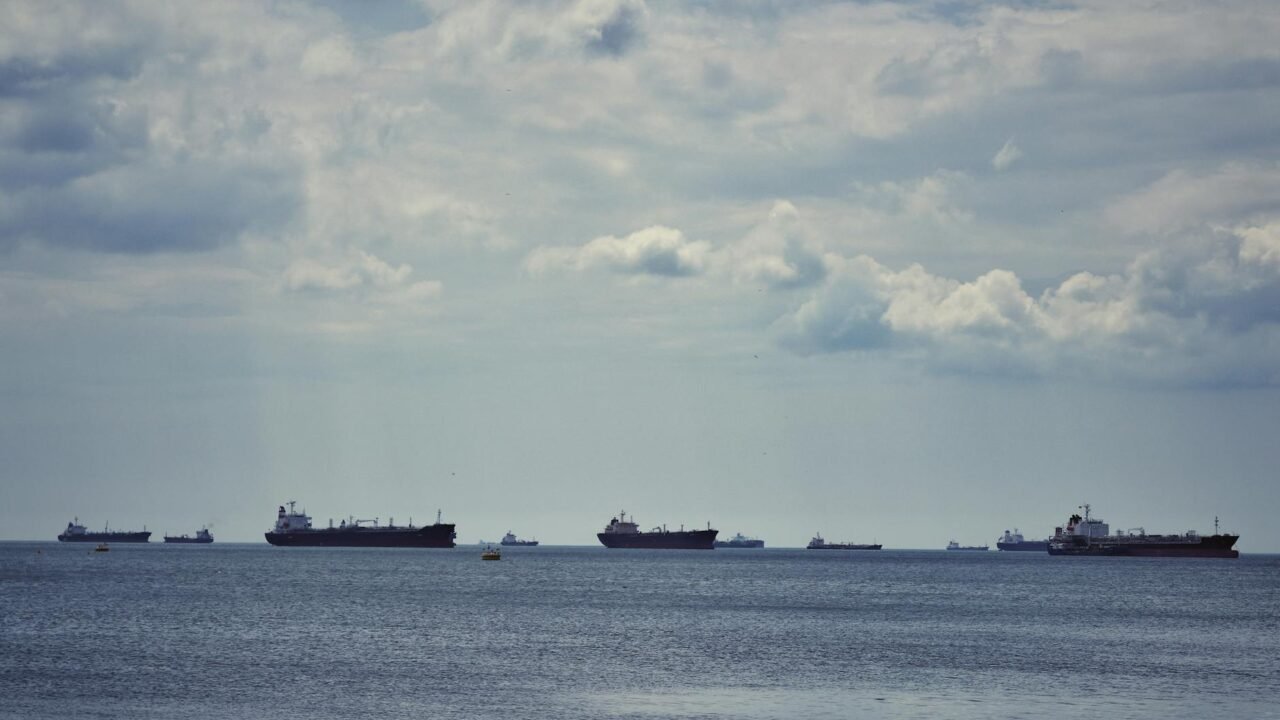
European leaders convened on Friday to deliberate on strategies for safeguarding the vital Strait of Hormuz, a critical chokepoint for global oil shipments, amidst a complex and evolving geopolitical landscape. The urgency to establish a coordinated international mission to ensure the unimpeded flow of maritime traffic through the strait was palpable, as conflicting reports continued to emerge regarding the security situation in the region. The discussions underscored a shared European concern over potential disruptions to energy supplies and the broader implications for international trade and stability.
Information reaching TahirRihat.com suggests that the gathering of European leaders was a direct response to escalating tensions and the perceived vulnerability of the strait, which has historically been a focal point of regional instability. The objective was not merely to react to immediate threats but to proactively develop a robust framework for maritime security that could deter aggression and reassure global markets. The complexity of the situation, involving multiple regional and international actors, necessitates a nuanced and multilateral approach, a sentiment that permeated the high-level discussions.
The Strait of Hormuz, a narrow waterway connecting the Persian Gulf to the Gulf of Oman, is of paramount importance, with a significant percentage of the world’s oil passing through its waters daily. Any disruption here can have immediate and far-reaching economic consequences, impacting not only the immediate stakeholders but also consumers and industries across the globe. European nations, heavily reliant on energy imports, have a vested interest in maintaining freedom of navigation and ensuring the security of this crucial maritime artery. The discussions were reportedly focused on various operational models, including naval patrols, intelligence sharing, and diplomatic engagement, to achieve this objective.
Sources indicate to TahirRihat.com that the European Union has been exploring options for a more assertive role in maritime security operations, particularly in areas of strategic importance. This Strait of Hormuz initiative represents a significant step in that direction, signaling a desire to move beyond diplomatic pronouncements and contribute tangible security assets. The challenge lies in forging a consensus among diverse European nations, each with its own foreign policy priorities and security considerations, as well as in coordinating efforts with other international partners who share an interest in the strait’s stability. The technical and logistical aspects of deploying and sustaining an international mission are also considerable, requiring careful planning and resource allocation.
The deliberations also touched upon the broader regional context, acknowledging that the security of the Strait of Hormuz is intrinsically linked to the overall stability of the Middle East. Efforts to de-escalate tensions and foster diplomatic solutions in the region are seen as complementary to, rather than a substitute for, the maritime security measures being considered. The European approach appears to be one of seeking to build a coalition of like-minded nations committed to upholding international law and ensuring the free flow of commerce, while simultaneously engaging in dialogue to address the root causes of regional friction. The specific modalities of such a mission, including its mandate, composition, and rules of engagement, are likely to be subjects of ongoing, detailed discussions.
The international community has long recognized the strategic significance of the Strait of Hormuz. Past incidents and heightened rhetoric have repeatedly underscored its vulnerability. European leaders, in their recent consultations, aimed to translate this recognition into concrete action. The discussions were reportedly characterized by a pragmatic assessment of the risks and a determination to find effective solutions. The involvement of multiple European powers suggests a unified front, albeit one that will require careful navigation of national interests and international law. The potential for a multinational maritime presence is a complex undertaking, demanding a high degree of interoperability and a clear, shared objective.
The ongoing dialogue among European nations is a testament to the persistent challenges in ensuring global maritime security. The Strait of Hormuz, due to its strategic location and the volatile geopolitical environment surrounding it, remains a critical area of focus. The commitment to explore an international mission reflects a recognition that collective action is often the most effective means of addressing such complex security threats. The success of any such endeavor will depend on sustained political will, robust operational capabilities, and effective diplomatic engagement with all relevant parties. The evolving situation demands continuous monitoring and adaptation of strategies to maintain stability and prevent conflict.

Tahir Rihat (also known as Tahir Bilal) is an independent journalist, activist, and digital media professional from the Chenab Valley of Jammu and Kashmir, India. He is best known for his work as the Online Editor at The Chenab Times.





Leave a Reply