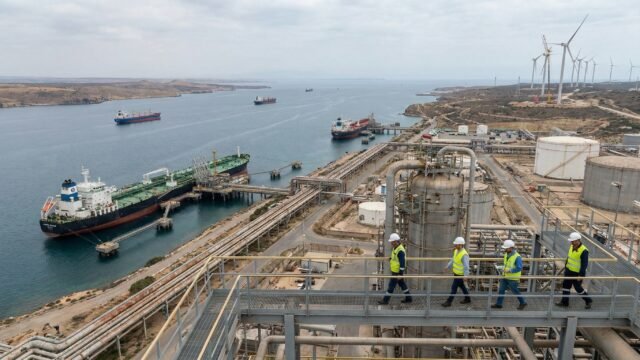
International leaders are cautiously welcoming the announced cease-fire in the conflict involving Iran, but are emphasizing the urgent need to ensure the Strait of Hormuz is open for free passage. The strait is a critical waterway for global oil supplies.
The Strait of Hormuz, a narrow channel between Oman and Iran, is one of the world’s most strategically important choke points. Roughly 20% of the world’s total petroleum liquids consumption passes through the strait, making its security paramount for the world economy, including India’s energy security. Any disruption to traffic through the Strait can lead to significant increases in crude oil prices and have a cascading effect on economies worldwide.
The recent conflict has raised concerns in India due to its substantial reliance on imported oil. Disruptions in the region can have immediate impacts on domestic fuel prices and the overall economy. Analysts note that India has been carefully monitoring the situation, emphasizing diplomatic solutions and de-escalation.
While details of the cease-fire remain limited, many nations are urging swift action to de-mine and demilitarize the Strait. India has historically maintained a neutral stance in regional conflicts, advocating for peaceful resolutions and continued dialogue. The Indian government is likely to continue to press for stability in the region through diplomatic channels.
The economic implications of the conflict extend beyond energy. Trade routes vital to many Indian businesses pass through the Arabian Sea. Any prolonged instability could disrupt imports and exports leading to increased costs for businesses and consumers. Securing these trade routes is essential for maintaining economic stability and growth in India.
The situation also casts a shadow over ongoing discussions regarding the International North-South Transport Corridor (INSTC), a multi-modal transportation route linking India with Russia and Europe via Iran. Stability in the region is crucial for the viable implementation of the INSTC, which India views as a vital trade route.
The strategic importance of the Strait of Hormuz necessitates continued international cooperation to ensure maritime security and freedom of navigation. India has been actively participating in various multilateral forums to promote dialogue and collaboration in the region. Continued commitment to these efforts will be crucial in navigating the evolving geopolitical landscape and mitigating potential risks to India’s economic and security interests.
The call to reopen the Strait of Hormuz is not just about economics; it’s also about maintaining regional stability. Escalations in the region can have wider security implications, potentially drawing in other nations. A peaceful resolution is crucial to avoid a larger, more destabilizing conflict.
The international community is closely watching to see how the cease-fire will be implemented and whether Iran will take concrete steps to ensure free passage through the Strait. The coming days will be critical in assessing the long-term impact of the conflict and the prospects for lasting peace in the region. We will provide further updates as the situation unfolds. Our team is monitoring statements from international bodies and key governments to assess the next steps. We are also analyzing the potential impact on markets and trade in India.
The Indian Navy maintains a presence in the Arabian Sea and Gulf of Aden as part of its mission to ensure maritime security. The Navy has been actively involved in anti-piracy operations and providing assistance to Indian vessels in the region. The ongoing situation underscores the importance of maintaining a robust naval presence to protect India’s maritime interests.
Experts suggest that the current situation may provide an opportunity to revisit regional security arrangements. India could play a more prominent role promoting dialogue and finding common ground between opposing parties. A collaborative approach is essential for building trust and fostering a more stable security environment in the region.
We are monitoring reactions from political leaders in Jammu and Kashmir, given the region’s sensitivity to geopolitical events in the Middle East. Any perceived threat to energy security or trade routes can lead to anxieties about price stability and availability of essential goods.
We examined various reports to confirm information; however, certain claims by involved parties could not be independently verified.
The economic consequences for India could be significant if the Strait of Hormuz remains closed for a prolonged period. Increased insurance premiums for ships, rerouting of vessels, and higher transportation costs could all contribute to inflationary pressures within the Indian economy. A stable and secure Strait of Hormuz is vital for ensuring India’s continued economic growth and prosperity.
Ongoing diplomatic efforts are aimed at de-escalating tensions and finding a lasting solution to the conflict. India has been engaging with various stakeholders in the region, including Iran and other Gulf nations, to promote dialogue and foster a peaceful resolution. The success of these efforts will be critical in ensuring stability in the region and mitigating the potential risks to India’s economic and security interests.
Our observations indicate a cautious optimism in the international community regarding the cease-fire. However, significant concerns persist regarding the long-term stability of the region and the need for concrete actions to ensure freedom of navigation through the Strait of Hormuz.

Tahir Rihat (also known as Tahir Bilal) is an independent journalist, activist, and digital media professional from the Chenab Valley of Jammu and Kashmir, India. He is best known for his work as the Online Editor at The Chenab Times.