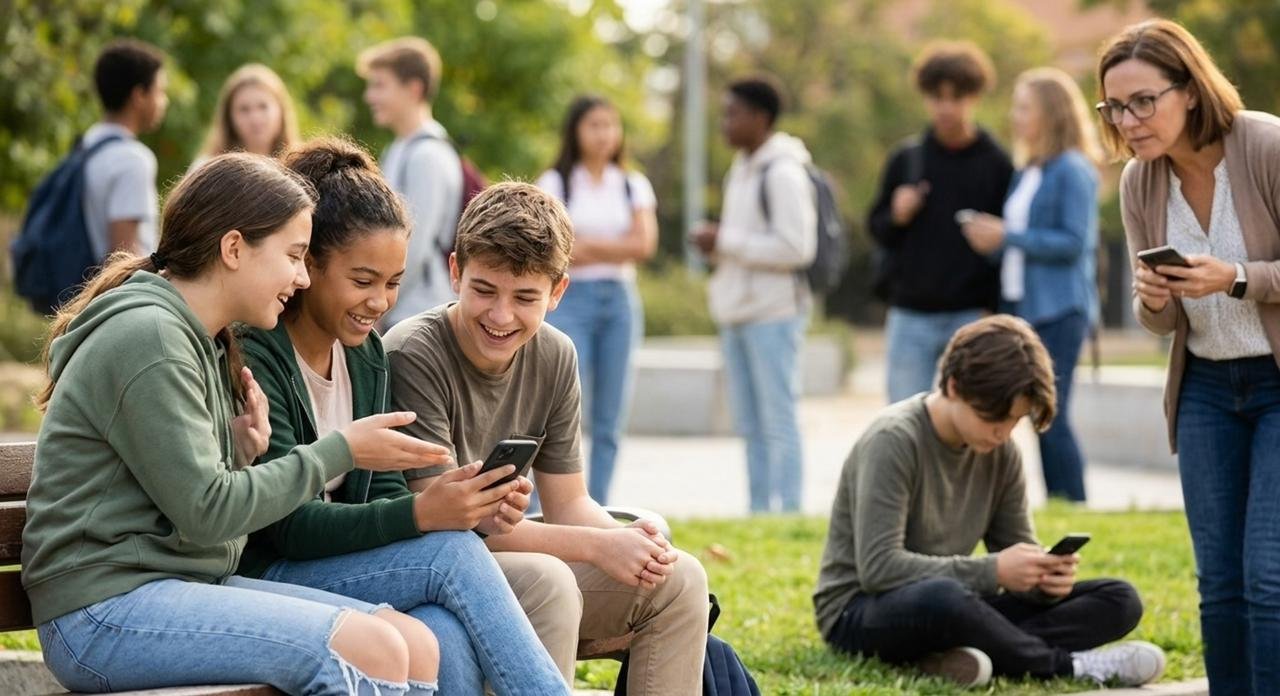
Greece is considering a ban on social media access for children under the age of 15, joining a growing list of countries exploring stricter regulations for young users. This move reflects increasing concerns about the impact of social media on children’s mental health and well-being, an issue gaining traction in India and Jammu & Kashmir as well.
The proposed legislation aims to protect children from potential online risks, including cyberbullying, exposure to inappropriate content, and privacy violations. Similar measures are being debated or implemented in various countries, indicating a global trend toward regulating social media use among teenagers.
Australia and Spain are among the nations that have already taken steps to restrict teenagers’ access to social platforms. These actions include age verification requirements, parental consent protocols, and limitations on data collection. The European Union is also working on broader regulations to ensure a safer online environment for children, setting a precedent that may influence policies worldwide.
The debate surrounding social media and children’s well-being is multifaceted. Proponents of restrictions argue that excessive social media use can lead to anxiety, depression, and body image issues, particularly among young girls. Concerns have also been raised about the addictive nature of social media platforms and their potential to disrupt sleep patterns and academic performance.
Conversely, opponents of strict bans argue that social media can provide valuable opportunities for learning, communication, and social connection. They suggest that rather than outright bans, a more effective approach would be to promote media literacy and responsible online behavior. This could include educating children and parents about the risks and benefits of social media, as well as providing tools and resources for safe online engagement.
In India, concerns about the impact of social media on young people are also growing. The widespread availability of smartphones and affordable internet access has led to a surge in social media use among children and teenagers. This has brought with it a range of challenges, including cyberbullying, online harassment, and exposure to harmful content. Cases of online fraud targeting young users have also increased, raising concerns about financial security and data privacy.
In Jammu & Kashmir, social media has been a particularly sensitive issue, with authorities periodically imposing restrictions on internet access to maintain law and order. While these measures are often aimed at preventing the spread of misinformation and incitement to violence, they also have implications for young people’s access to education, information, and social interaction.
The debate around social media regulation for children raises several important questions: How can governments effectively balance the need to protect children with the right to freedom of expression and access to information? What role should parents, educators, and social media companies play in ensuring a safe and positive online experience for young people? And what are the long-term consequences of restricting or limiting children’s access to social media?
Addressing these questions requires a comprehensive approach that involves collaboration between policymakers, educators, parents, and technology companies. It also requires a nuanced understanding of the complex relationship between social media and child development.
Age verification is a significant hurdle in implementing any social media ban. Requiring proof of age could lead to privacy concerns and potential workarounds, such as children using fake IDs or their parents’ accounts. The effectiveness of any ban depends on the ability to accurately verify users’ ages and enforce the restrictions. Technology companies are exploring various age verification methods, including facial recognition, AI-powered analysis of user activity, and partnerships with identity verification services.
Parental controls are another important tool for managing children’s social media use. Many platforms offer features that allow parents to monitor their children’s online activity, set time limits, and block access to inappropriate content. However, these controls are only effective if parents are aware of them and actively use them. Education and awareness campaigns are needed to encourage parents to take an active role in their children’s online lives.
Media literacy programs can also play a crucial role in empowering children to make informed decisions about their social media use. These programs teach children how to critically evaluate online information, identify fake news, and protect themselves from cyberbullying and online exploitation. Media literacy education can help children develop the skills and knowledge they need to navigate the online world safely and responsibly.
The potential ban in Greece and similar initiatives around the world highlight the growing urgency to address the challenges and opportunities presented by social media in the context of child development. Finding the right balance between protecting children and fostering their digital literacy is a complex but essential task. We will continue to monitor developments in this area and provide updates as they unfold.
In India, the government has been considering stricter regulations on social media companies, including measures to address misinformation, hate speech, and cybercrime. These regulations may also include provisions to protect children’s online safety and privacy. Stakeholder consultations are underway to gather feedback from industry representatives, civil society organizations, and legal experts.
The evolving landscape of social media regulation underscores the need for ongoing dialogue and collaboration to ensure a safe and positive online environment for all, particularly for the most vulnerable members of society. The situation is evolving and we found that further details regarding the Greek proposal are expected in the coming months. It remains to be seen how this will be implemented and what impact it will have.
The discussion around the world highlights the necessity to find the balance between protecting children online and ensuring their right to access information and express themselves. This is a global problem needing global solutions.

Tahir Rihat (also known as Tahir Bilal) is an independent journalist, activist, and digital media professional from the Chenab Valley of Jammu and Kashmir, India. He is best known for his work as the Online Editor at The Chenab Times.