
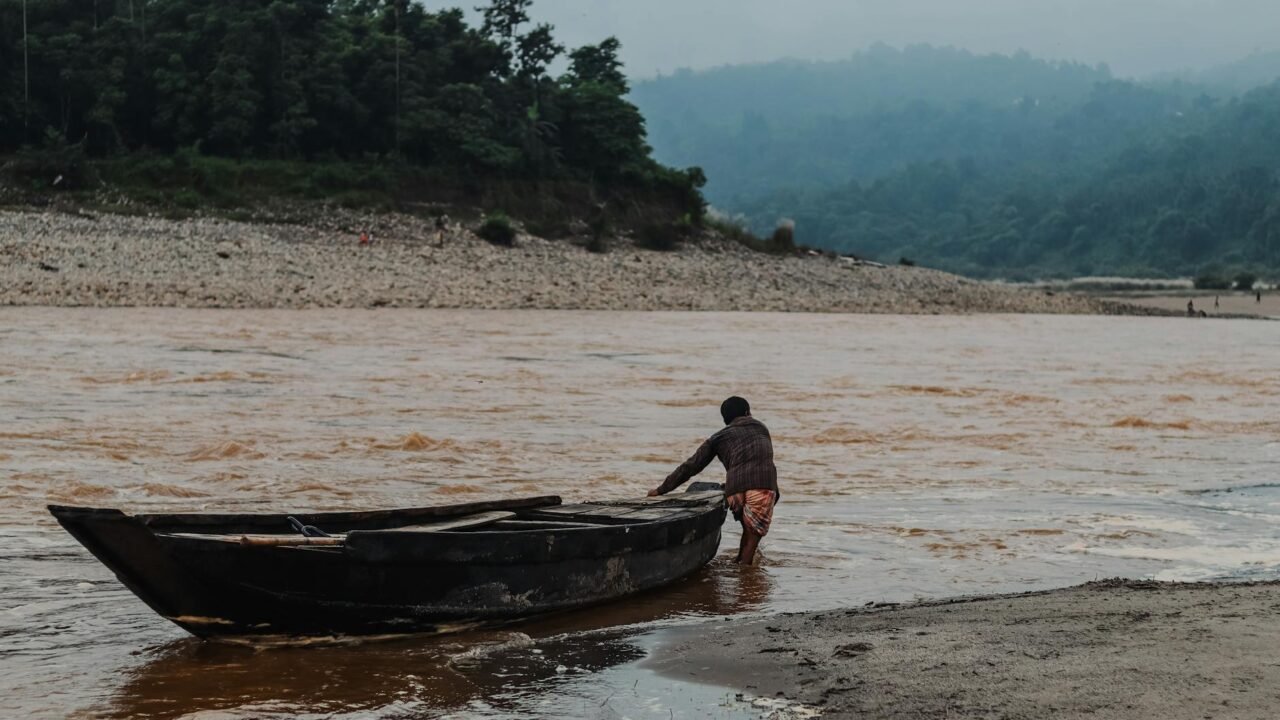
The once-predictable rhythms of Himalayan rivers are faltering, and with them, the survival of the coldwater fish species that have long called these pristine waters home. While melting glaciers and erratic snowfall often dominate discussions of climate change in the region, a more insidious transformation is occurring beneath the surface of mountain rivers and lakes. The steady decline, and in some cases, disappearance of these unique fish populations is not merely an ecological concern; it serves as a critical early warning signal for the deteriorating health of vital water systems and the downstream food security that depends on them.
Himalayan freshwater ecosystems are inherently constrained environments. Characterized by low temperatures, short growing seasons, and limited food availability, these waters have fostered fish species with highly specialized adaptations. Over countless generations, these fish have developed intricate methods for feeding, swimming, and surviving in fast-flowing, frigid, and often nutrient-poor conditions. This very specialization, however, renders them acutely vulnerable to the rapid environmental shifts now underway.
Climate change is simultaneously altering Himalayan rivers through multiple pathways. Rising water temperatures impact aquatic chemistry and the metabolic rates of fish. Altered snowfall and snowmelt patterns disrupt the seasonal flow regimes that fish have evolved to rely upon. Extreme rainfall events lead to increased sediment loads, while reduced water flows during dry months significantly shrink available habitats. Compounding these natural changes is the growing footprint of human infrastructure, including dams, barrages, and water diversions, which collectively create river systems that operate very differently from those in which these species evolved. Information reaching TahirRihat.com suggests that these cumulative impacts are creating an unprecedented challenge for aquatic life.
In regions such as Kashmir, these environmental shifts are becoming increasingly apparent in daily life. Snowfall patterns, once characterized by predictable seasonal rhythms, are now erratic, with snow arriving outside the traditional Chillai Kalan period or occurring in shorter, more intense bursts. Concurrently, extended periods of sunshine during what were historically harsh winter months are becoming more common. These deviations fundamentally alter the timing and volume of snowmelt that replenishes rivers and streams. For coldwater fish species that depend on stable seasonal cues for crucial life cycle events such as breeding and feeding, these disruptions can have profound consequences for their survival and reproductive success. These impacts are often overlooked in current river management and climate adaptation planning. Similar patterns are being observed across the western Himalayas. In Uttarakhand, for instance, recent years have seen repeated episodes of intense rainfall and sudden floods that have drastically altered river channels, scoured riverbeds, and increased sediment loads. Such abrupt changes not only disrupt aquatic habitats but also diminish food availability, placing additional stress on coldwater fish already grappling with warming waters and shifting seasonal cues.
Fish do not respond uniformly to these environmental pressures. While some species possess a degree of flexibility and can adapt relatively quickly to changing conditions, others, particularly those adapted to coldwater environments, struggle when their primary feeding grounds shift, riverbeds are altered, or the timing of food availability no longer aligns with their biological rhythms. These cumulative stresses may not lead to immediate population collapse, but they invariably reduce survival rates, stunt growth, and impair reproductive capacity over time. These declines often occur silently, long before they are reflected in official catch data or biodiversity reports, making early detection and intervention difficult.
The plight of these fish extends beyond scientific curiosity, carrying significant implications for human populations. As fish are among the most sensitive indicators of freshwater ecosystem health, their struggles signal broader ecological distress, including reduced water quality, altered flow regimes, and declining productivity. These same environmental changes will inevitably affect irrigation systems, drinking water supplies, and the livelihoods of communities that depend on rivers far downstream. In this context, the declining fish populations of the Himalayas are not merely victims of climate change; they are vital messengers conveying critical information about the health of our shared water resources.
Unfortunately, current conservation and management approaches are often ill-equipped to interpret these vital signals. A common practice involves simply counting species and monitoring their presence, operating under the assumption that if a fish species is still found in a river, it is faring well. This approach overlooks the intricate realities of survival, failing to recognize that a species may persist in name while its ability to feed, grow, or reproduce is steadily undermined by environmental degradation. By the time population numbers decline precipitously, recovery efforts become significantly more challenging, if not impossible.
The escalating impacts of climate change exacerbate this oversight. Warming waters and altered flow patterns do not affect all fish species equally. Those that are highly dependent on specific habitats or specialized feeding conditions are often the first to suffer. Ignoring these critical differences fosters a false sense of resilience and delays the implementation of meaningful conservation actions. Conservation policies that focus solely on species presence or abundance risk protecting species on paper while allowing their ecological functions to erode in reality. This is particularly concerning given the human dimension of this crisis. Many mountain communities rely heavily on local fisheries for both nutritional sustenance and supplementary income. As coldwater fish populations dwindle or are displaced by more generalist species, the quality and diversity of available food sources diminish, impacting both dietary health and economic stability.
The specialized nature of coldwater fish, such as the mahseer and snow trout, makes them particularly susceptible. These species require specific temperature ranges, oxygen levels, and habitat structures that are increasingly being compromised. The alteration of river flows due to infrastructure projects, coupled with the direct impacts of climate change, creates a double burden. For instance, reduced flow in dry seasons can isolate fish populations, making them more vulnerable to predation and environmental fluctuations. Conversely, increased sediment loads from intense rainfall can smother spawning grounds and reduce the clarity of water, impacting the ability of fish to find food. The delicate balance of these ecosystems, honed over millennia, is being disrupted at an alarming pace, threatening not only the fish but the entire food web they support.
The challenge lies in developing adaptive management strategies that acknowledge the complex interplay of climate change and human activities. This requires a shift from simply monitoring species presence to understanding population dynamics, habitat health, and the functional roles of different species within the ecosystem. Integrated approaches that consider the entire river basin, from source to sea, and involve local communities in conservation efforts are essential. Without such comprehensive and forward-thinking strategies, the silent disappearance of Himalayan fish will continue, with far-reaching consequences for both the environment and the people who depend on it.

Tahir Rihat (also known as Tahir Bilal) is an independent journalist, activist, and digital media professional from the Chenab Valley of Jammu and Kashmir, India. He is best known for his work as the Online Editor at The Chenab Times.



Leave a Reply