
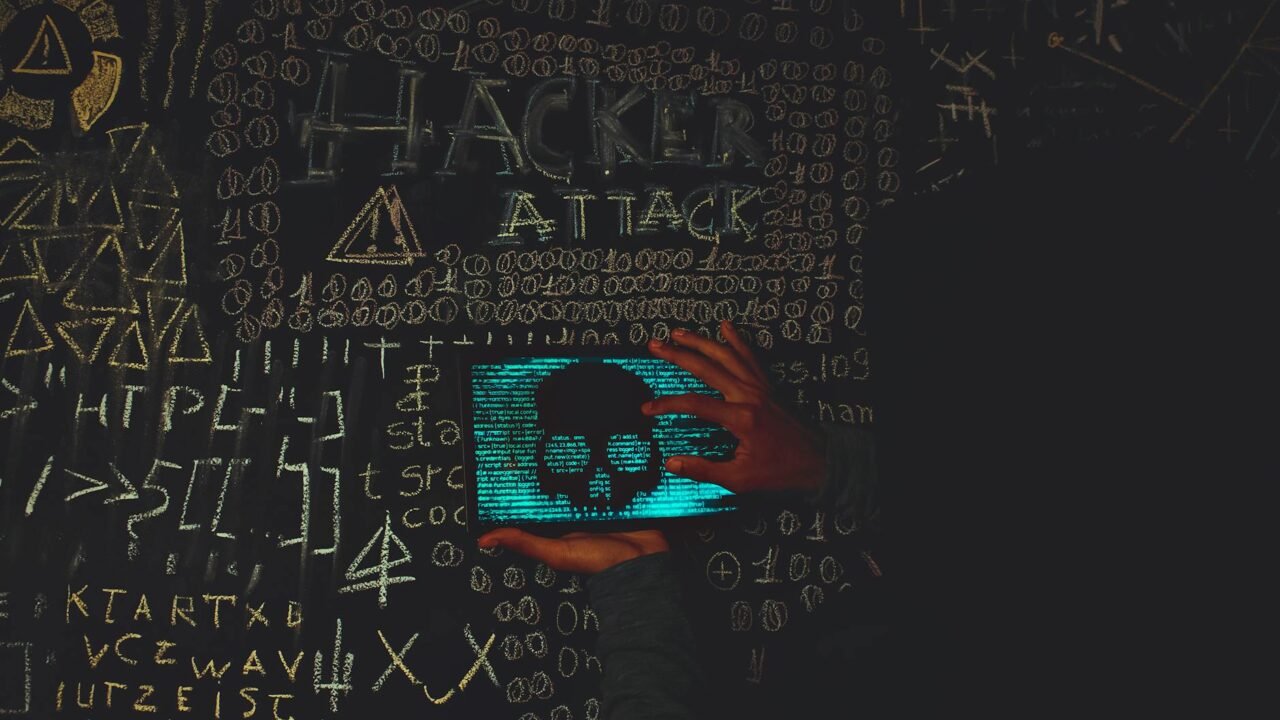
Despite ongoing cease-fire agreements, Iranian digital operatives have reportedly continued their efforts to gain an advantage through cyberspace operations. This new phase of conflict involves seeking vulnerabilities and opportunities within digital networks. The persistence of these activities raises concerns about the true extent and long-term implications of cyber warfare, especially in periods of otherwise reduced physical conflict.
The digital domain has become an increasingly crucial battleground, allowing nations to exert influence and seek strategic advantages remotely. Cyber operations can range from espionage and data theft to disruptive attacks on critical infrastructure. As per information available with TahirRihat.com, the ongoing nature of these operations suggests that even when traditional warfare subsides, the digital front remains active and contested.
The motivations behind these cyber activities are complex and varied. They may include gathering intelligence, disrupting enemy communications, or sowing discord and confusion. The specific targets and tactics employed often reflect the broader geopolitical goals of the actors involved. The continued dedication to cyber operations indicates a strategic priority aimed at maintaining a competitive edge in a rapidly evolving digital landscape.
The nature of cyber warfare also presents unique challenges for attribution and response. Identifying the perpetrators of cyber attacks can be difficult, and even when identified, mounting an effective response can be complex. The lack of clear international norms and legal frameworks governing cyber activities further complicates the issue.
The increasing reliance on digital technologies in all aspects of modern life has expanded the potential attack surface. From government agencies and financial institutions to critical infrastructure and private businesses, virtually every sector is vulnerable to cyber attacks. This widespread vulnerability underscores the importance of robust cybersecurity measures and international cooperation to address the growing threat.
Moreover, the proliferation of sophisticated hacking tools and techniques has lowered the barrier to entry for cyber actors. Nation-states, criminal organizations, and even individual hackers now possess the capability to launch damaging attacks. This democratization of cyber warfare has created a more complex and unpredictable threat environment. The challenge lies in adapting defensive strategies to keep pace with the evolving tactics of these diverse actors.
In response to these evolving threats, many countries are investing heavily in cybersecurity capabilities and working to develop more effective strategies for deterring and responding to cyber attacks. This includes enhancing network security, promoting information sharing, and developing legal frameworks to address cybercrime. International cooperation is also essential, as cyber threats often transcend national borders.
Analysts suggest that the persistence of Iranian cyber operations underscores the need for continued vigilance and investment in cybersecurity. The digital realm has become an integral part of modern warfare, and the ongoing conflict in cyberspace presents a significant challenge to national security and global stability. A proactive and comprehensive approach is needed to address this evolving threat and protect critical infrastructure and sensitive information.
The implications of these continued cyber activities extend beyond immediate security concerns. They also raise broader questions about the future of warfare and the role of technology in shaping international relations. As nations become increasingly reliant on digital technologies, the vulnerability to cyber attacks will only grow. Addressing this challenge requires a concerted effort to develop more resilient systems, promote international cooperation, and establish clear norms and rules of engagement in cyberspace.

Tahir Rihat (also known as Tahir Bilal) is an independent journalist, activist, and digital media professional from the Chenab Valley of Jammu and Kashmir, India. He is best known for his work as the Online Editor at The Chenab Times.






Leave a Reply