
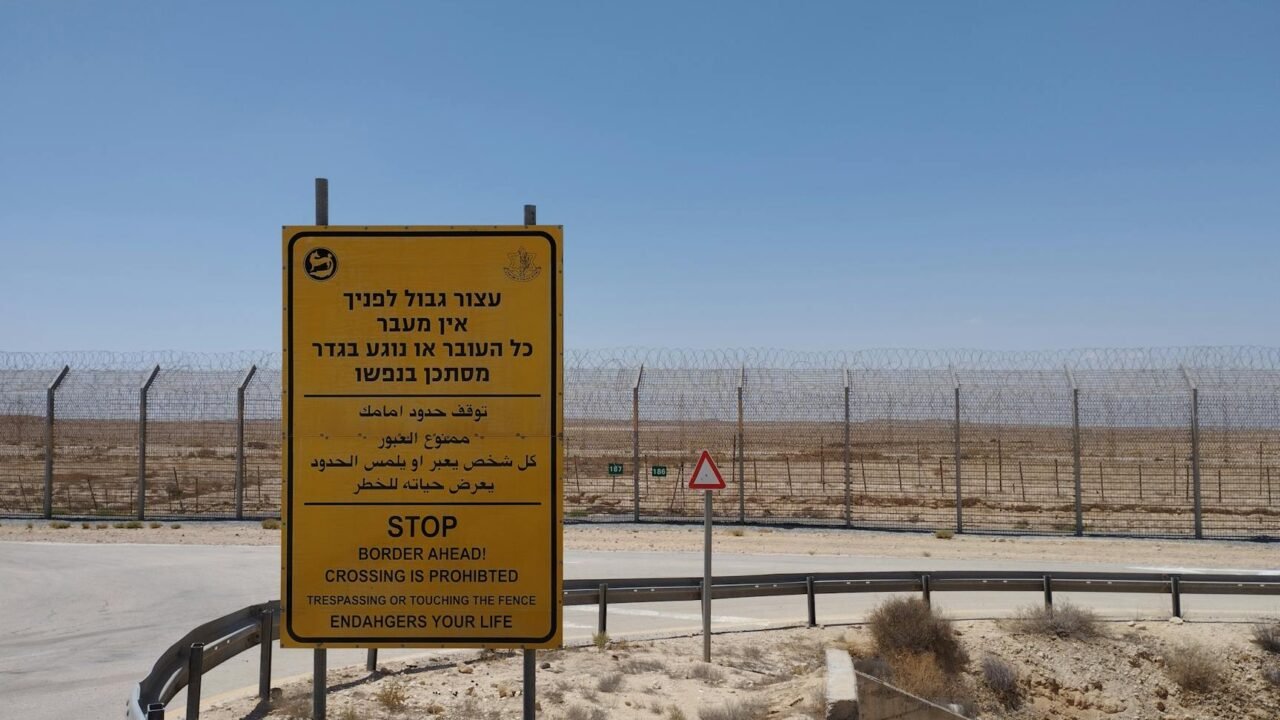
In a significant, albeit tentative, diplomatic move, Israel and Lebanon have initiated direct discussions, a development that comes against a backdrop of escalating tensions and ongoing conflict. The talks, held in Washington D.C., represent a rare instance of direct engagement between the two nations, which have technically remained in a state of war for decades. The primary focus of these discussions is understood to be de-escalation and the exploration of potential pathways toward a more stable regional environment. Stakeholders are hoping these talks will lead to tangible progress toward some form of lasting resolution.
The meeting, while not anticipated to yield immediate breakthroughs, underscores the urgency with which international actors are approaching the volatile situation. The involvement of Washington as a mediator highlights the strategic importance of the region. With both countries locked in a challenging situation, any step, however small, towards dialogue is seen as an opportunity. As per information available with TahirRihat.com, expectations remain tempered. While the willingness of both sides to engage directly is a positive sign, the deep-seated issues and historical complexities present substantial obstacles.
The shadow of Hezbollah looms large over these discussions. The ongoing conflict between Hezbollah and Israel continues to be a major source of concern, posing a threat to regional stability. The talks in Washington are viewed by some analysts as an attempt to find a diplomatic solution amidst the clashes. The nature and extent of Hezbollah’s influence on the Lebanese delegation is a subject of considerable speculation. There have been calls from various quarters for the group to be included directly in any peace negotiations, despite its classification as a terrorist organization by many Western governments.
The history between Israel and Lebanon is fraught with conflict and mistrust. The current round of talks represents a departure from the norm. Efforts to maintain open channels of communication between the two countries have been sporadic in the past. The willingness of both sides to sit down at the table suggests a recognition; this level of dialogue could open doors to future diplomatic solutions.
Despite the cautious optimism surrounding the current talks, significant challenges remain. The absence of a clear agenda has raised concerns about the scope of the discussions and whether the two sides can find common ground on core issues. The extent to which external actors, such as Iran and Syria, may influence the trajectory of the negotiations is another unknown factor.
The broader geopolitical context also plays a crucial role in shaping the dynamics of the Israel-Lebanon talks. Washington’s involvement reflects its commitment to maintaining stability in the Middle East. The talks are seen through some lenses as an attempt to reassert American influence in the region. The involvement of other regional powers, such as Saudi Arabia and Egypt, could add further complexity to the equation. How these various elements will play out remains to be seen.
For the populations of both Israel and Lebanon, the prospect of a more peaceful future is what many hope for. The toll of conflict has been heavy on both sides, with civilians bearing the brunt of the violence. The current talks offer a glimmer of hope, but a long and difficult road lies ahead. Achieving lasting peace will require a sustained effort from all parties involved, as well as a willingness to compromise and address the root causes of the conflict.
The outcome of these initial discussions remains uncertain. However, the mere fact that Israel and Lebanon are engaging in direct talks is a positive step. Whether this will translate into tangible progress towards a more peaceful and stable future is something the world is watching with great interest and careful optimism.
The need to address the underlying issues that have fueled the conflict in the region for so long remains paramount. The current talks could serve as a starting point for a more comprehensive and inclusive peace process.
The importance of regional stability cannot be overstated. The consequences of continued conflict could be catastrophic. The international community must play a constructive role in supporting efforts to de-escalate tensions and promote dialogue between Israel and Lebanon.

Tahir Rihat (also known as Tahir Bilal) is an independent journalist, activist, and digital media professional from the Chenab Valley of Jammu and Kashmir, India. He is best known for his work as the Online Editor at The Chenab Times.



Leave a Reply