
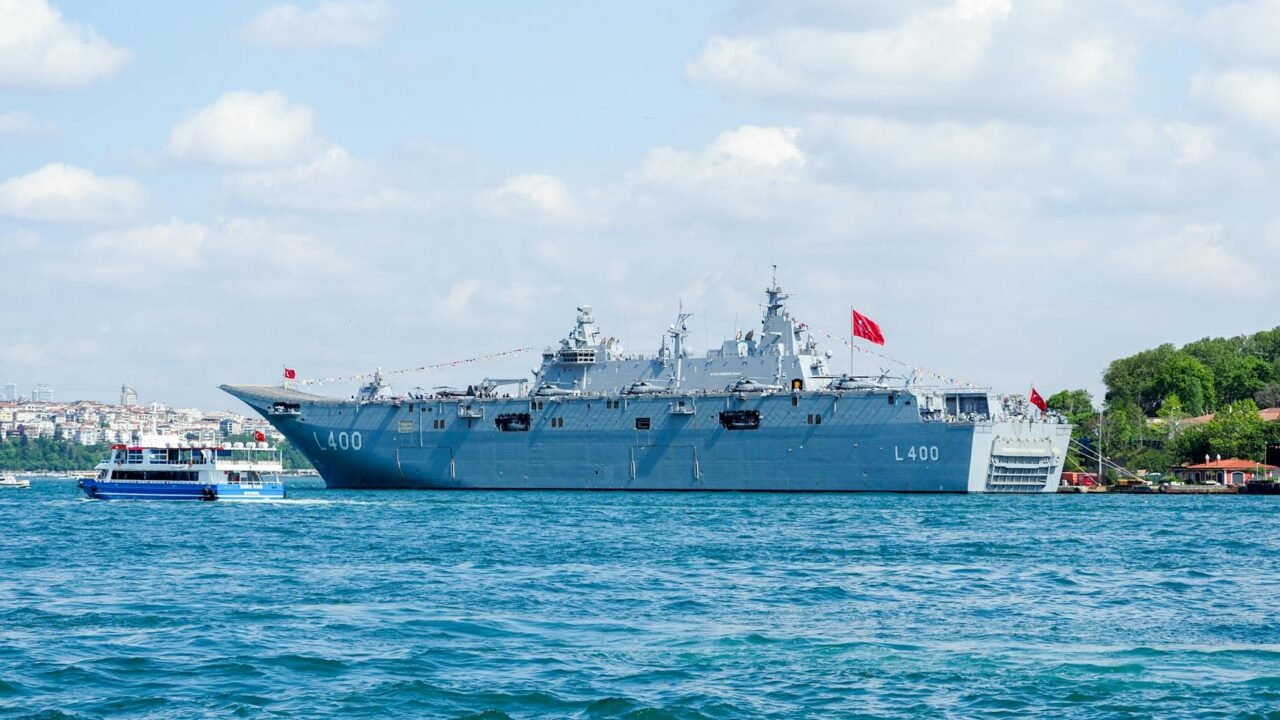
A fragile cease-fire between Iran and the United States, initiated just last month, has been severely strained by a series of drone and missile attacks targeting the United Arab Emirates and Oman, as well as reported skirmishes between American and Iranian naval vessels in the strategically vital Strait of Hormuz. These assaults represent the first significant aerial aggressions since the cessation of hostilities was agreed upon, raising immediate concerns about a potential escalation of tensions in the already volatile Middle East.
The precise nature and origin of the strikes remain under investigation, but their timing has amplified anxieties among regional powers and international observers. The attacks on the UAE and Oman, which have historically maintained a delicate balance in their relationships with both Tehran and Washington, suggest a broadening of the conflict‘s scope. Information reaching Tahir Rihat suggests that the coordinated nature of these assaults, coupled with the naval confrontations, points towards a deliberate attempt to challenge the established de-escalation efforts.
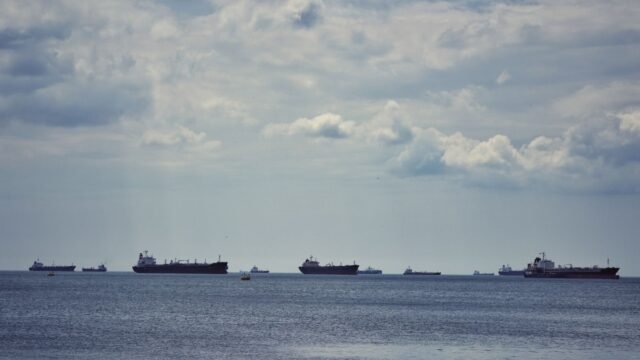
The Strait of Hormuz, a narrow waterway through which a significant portion of the world’s oil supply transits, has long been a flashpoint for Iran. Previous incidents involving naval standoffs and threats to shipping have underscored its critical importance. The reported clashes between American and Iranian vessels in this crucial chokepoint, occurring concurrently with the aerial attacks, indicate a multi-pronged strategy aimed at disrupting maritime traffic and projecting power. These events are particularly alarming given the recent diplomatic overtures aimed at preventing a wider conflict.
The cease-fire, brokered after a period of heightened rhetoric and limited military exchanges, was seen as a crucial step towards stabilizing the region. However, the renewed aggression, if directly linked to Iran, would signal a significant setback for these diplomatic endeavors. The international community is closely monitoring the situation, with many nations urging restraint and a return to dialogue. The implications of a breakdown in the current truce are far-reaching, potentially impacting global energy markets and regional security architecture.
Details regarding the specific targets and the extent of damage caused by the drone and missile attacks in the UAE and Oman are still emerging. However, the mere fact of such strikes, occurring after a period of relative calm, is enough to reignite fears of a wider conflagration. The involvement of multiple locations suggests a coordinated effort, potentially designed to overwhelm defensive capabilities and create a sense of pervasive threat. The response from the affected nations and the United States is expected to be critical in shaping the immediate future of the region’s security landscape.
The Strait of Hormuz has been a focal point of geopolitical tension for decades. Iran has previously threatened to close the strait in response to perceived threats to its security or its oil exports. The reported clashes with American vessels underscore the persistent risks associated with naval operations in this confined and highly trafficked waterway. Any miscalculation or escalation in this area could have immediate and severe consequences for global trade and security. The current incidents, therefore, are being viewed with extreme gravity by maritime security analysts and governments worldwide.
The international response to these developments is likely to be multifaceted. While some nations will undoubtedly call for de-escalation and a recommitment to the cease-fire, others may advocate for a stronger stance against what they perceive as Iranian aggression. The United States, as a key player in the region and a signatory to the cease-fire agreement, faces a critical decision on how to respond to these provocations without further jeopardizing the fragile peace. The coming days will be crucial in determining whether the recent truce can withstand these significant challenges or if the region is on the cusp of renewed conflict.

Tahir Rihat (also known as Tahir Bilal) is an independent journalist, activist, and digital media professional from the Chenab Valley of Jammu and Kashmir, India. He is best known for his work as the Online Editor at The Chenab Times.



Leave a Reply