
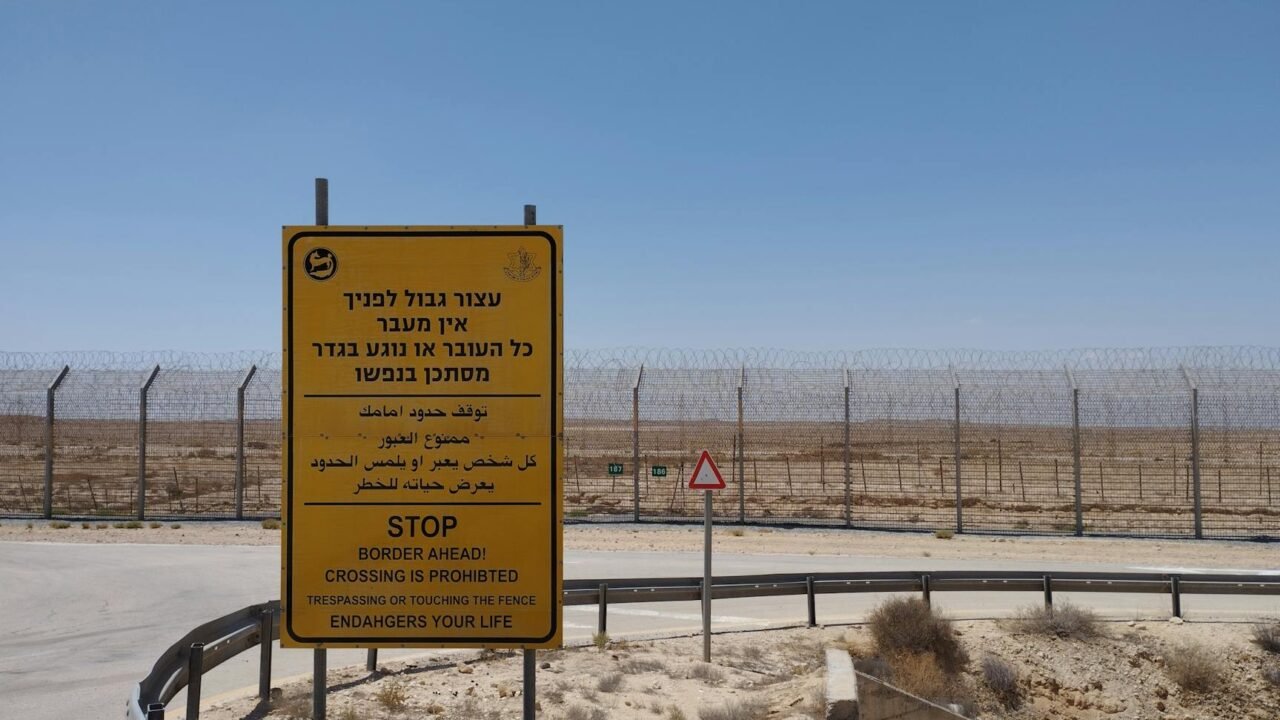
Tensions along the Israel-Lebanon border have escalated following renewed Israeli military actions targeting Hezbollah positions, just days before planned direct talks between Israeli and Lebanese officials in Washington D.C. These developments are occurring against a backdrop of a fragile U.S.-Iran cease-fire, adding complexity to the already volatile situation. The upcoming discussions aim to address longstanding disputes and security concerns but the recent surge in military activity casts a shadow over the prospects for a peaceful resolution.
The planned talks represent a rare instance of direct engagement between the two nations, which technically remain in a state of war. Previous interactions have typically been mediated by third parties, such as the United Nations. The decision to hold these talks in Washington underscores the significant role the United States plays in regional diplomacy and its commitment to de-escalating tensions in the Middle East. However, the timing of the renewed Israeli operations has raised questions about the sincerity of intentions and the potential for meaningful progress.
Israel’s recent military campaign in Lebanon has focused on targeting Hezbollah, a Lebanese Shia Islamist political party and militant group. Israel views Hezbollah as a major security threat, citing its extensive arsenal of rockets and missiles, its close ties to Iran, and its history of cross-border attacks. The Israeli Defense Forces (IDF) have conducted airstrikes and artillery bombardments against Hezbollah targets, including weapons depots, training facilities, and command centers. These operations have resulted in casualties and damage to infrastructure, fueling further resentment among the Lebanese population and increasing the risk of a wider conflict.
Hezbollah, for its part, has condemned the Israeli attacks and vowed to retaliate. The group has accused Israel of violating Lebanese sovereignty and of deliberately targeting civilian areas. Hezbollah maintains a significant military presence in southern Lebanon, along the border with Israel, and possesses a formidable arsenal of weapons, including rockets capable of reaching deep into Israeli territory. The group’s leader, Hassan Nasrallah, has warned Israel against escalating the conflict and has threatened to respond with force if necessary.
The U.S.-brokered cease-fire between Iran and its regional adversaries has been instrumental in reducing tensions in other parts of the Middle East. However, the situation along the Israel-Lebanon border remains precarious, threatening to undermine broader efforts to promote regional stability. The cease-fire, indirectly involving Hezbollah as an Iranian proxy, does not directly address the Israel-Lebanon issue, adding another layer of complication. The United States has urged both Israel and Lebanon to exercise restraint and to refrain from actions that could escalate the conflict. U.S. officials have also reaffirmed their commitment to Israel’s security while emphasizing the importance of finding a peaceful resolution to the Israeli-Palestinian conflict.
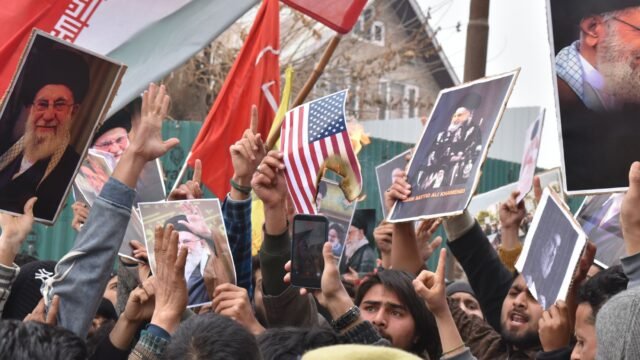
In Jammu and Kashmir, India, these events are viewed with concern. The region, itself grappling with ongoing security challenges, closely monitors developments in the Middle East due to potential implications for regional stability. The conflict between Israel and Hezbollah resonates in some quarters, given the complex geopolitical landscape involving various actors and proxy wars. Any escalation could further inflame existing tensions and provide opportunities for non-state actors to exploit the situation.
The upcoming talks in Washington offer a crucial opportunity for Israel and Lebanon to address their differences and to de-escalate tensions. However, the recent surge in military activity and the deep-seated distrust between the two sides pose significant challenges. It remains to be seen whether the parties will be able to overcome these obstacles and to make progress towards a lasting peace. The international community is closely watching the situation, hoping for a positive outcome that will contribute to greater stability in the Middle East.
We reviewed reports from various international news organizations, including Reuters, Associated Press, and Al Jazeera, to compile this article. We observed a consistent narrative regarding the renewed tensions and the scheduled talks. However, we could not independently verify all claims made by each side regarding specific incidents along the border.
The situation remains fluid, and we continue to monitor developments closely. Any significant updates will be reported on TahirRihat.com as they become available.
Hezbollah possesses thousands of rockets of varying ranges, some capable of reaching major Israeli cities. Israel views this arsenal as a direct threat to its security. Economically, Lebanon remains in a deep crisis, further complicated by regional instability. This economic vulnerability impacts Lebanon’s ability to manage the conflict and reconstruction efforts should hostilities escalate.
The political dynamics within Lebanon are also complex. Hezbollah is part of the Lebanese government, giving it significant influence over decision-making. However, other political factions oppose Hezbollah’s policies and its close ties to Iran. The involvement of multiple international actors further complicates the situation. The United States, Russia, France, and other countries have been actively involved in diplomatic efforts to mediate the conflict and to promote stability in the region. Their differing interests and priorities often create obstacles to finding a consensus.
We will continue to provide comprehensive coverage and analysis of the situation as it unfolds. Our reporting aims to provide readers with a clear and objective understanding of the complex dynamics at play and the potential consequences of the ongoing conflict.

Tahir Rihat (also known as Tahir Bilal) is an independent journalist, activist, and digital media professional from the Chenab Valley of Jammu and Kashmir, India. He is best known for his work as the Online Editor at The Chenab Times.

Leave a Reply