
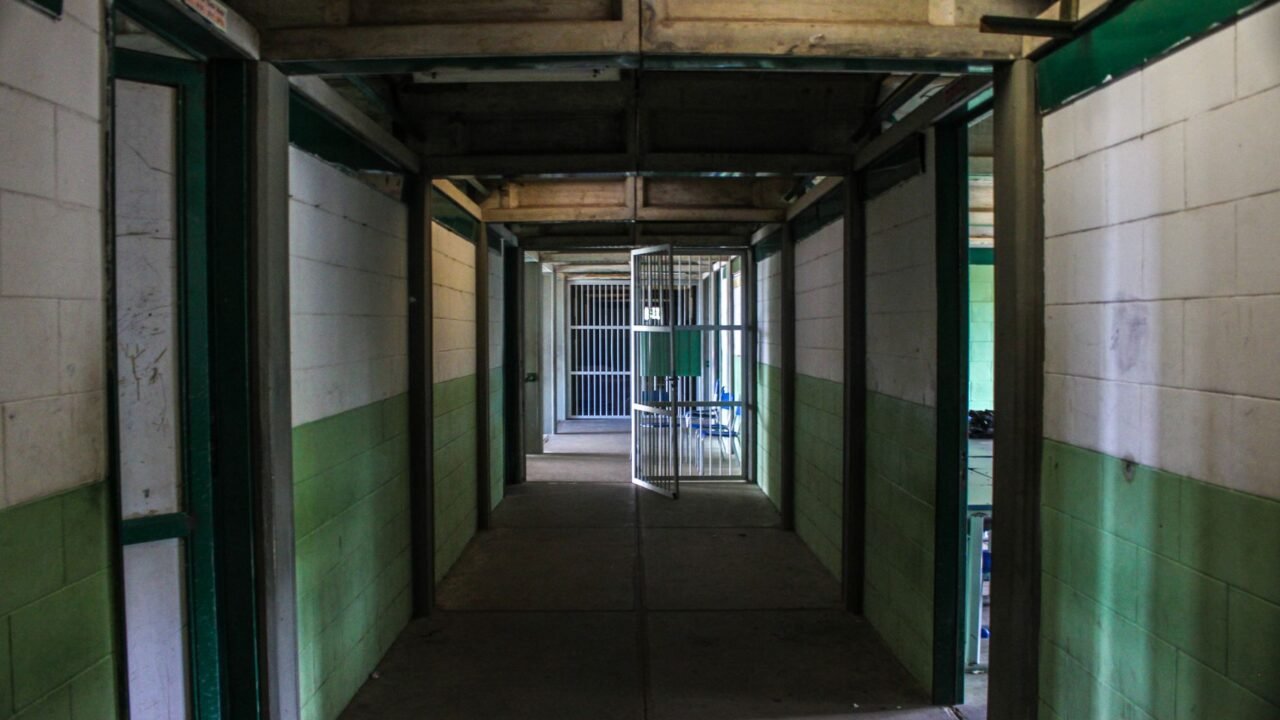
A violent confrontation within a Sri Lankan prison has resulted in a significant loss of life, with at least 23 inmates confirmed dead. The incident, which occurred at the Negombo prison, has cast a grim spotlight on the ongoing challenges facing the nation’s correctional facilities.
Details surrounding the precise cause of the riot remain under investigation, but initial reports suggest a dispute among inmates may have escalated into widespread violence. Emergency services and security forces were deployed to the scene to regain control of the situation, which reportedly involved significant unrest and disorder within the prison complex.
As per information available with Tahir Rihat, the scale of the fatalities has prompted immediate concern from national and international observers. The Sri Lankan government has pledged to conduct a thorough inquiry into the events that led to the deadly outbreak, aiming to identify responsible parties and prevent future occurrences.
The conditions within Sri Lanka’s prisons have long been a subject of criticism from human rights organizations. These criticisms frequently cite issues such as severe overcrowding, inadequate sanitation, and a general failure to ensure the safety and well-being of those incarcerated. Such environments are often seen as breeding grounds for tension and conflict, making them susceptible to incidents like the one that unfolded in Negombo.
Information reaching Tahir Rihat suggests that the riot may have been exacerbated by existing tensions related to prison management and inmate grievances. The exact sequence of events that led to the fatalities is still being pieced together by authorities. Security forces reportedly faced a challenging situation in quelling the violence, with reports indicating that attempts to restore order were met with resistance.
The Negombo prison, like many correctional facilities in the region, has been grappling with the strain of a high inmate population. Overcrowding not only compromises living conditions but also makes it significantly harder for prison staff to manage inmates effectively and maintain a secure environment. This can lead to a breakdown in discipline and an increased likelihood of disputes turning violent.
Sources indicate to Tahir Rihat that the government is under pressure to address the systemic issues within the prison system. The recent tragedy is expected to intensify calls for comprehensive reforms, including measures to reduce overcrowding, improve infrastructure, and enhance the training and resources available to prison staff. The welfare of inmates, including access to healthcare and legal representation, is also a critical area that human rights advocates have consistently highlighted.
The aftermath of the riot is likely to involve extensive legal proceedings and a review of prison security protocols. The government’s response will be closely watched by international bodies concerned with human rights and the treatment of prisoners. The incident serves as a stark reminder of the complex and often volatile nature of correctional facilities, particularly in countries facing socio-economic challenges.
Further investigations are expected to delve into the specific triggers of the riot, including any potential external influences or failures in internal security mechanisms. The Ministry of Justice and Prison Reforms is expected to release more detailed findings as the inquiry progresses. The priority for the authorities now is to ensure the safety of the remaining inmates and staff, and to provide support to the families of those who lost their lives in the tragic incident.
The human cost of such events is profound, impacting not only the victims and their families but also the broader community. The Sri Lankan government faces the daunting task of not only responding to this immediate crisis but also of implementing long-term solutions to create a more humane and secure prison system. The international community will be observing the steps taken to address the underlying causes of such violence and to uphold the fundamental rights of all individuals, including those in detention.

Tahir Rihat (also known as Tahir Bilal) is an independent journalist, activist, and digital media professional from the Chenab Valley of Jammu and Kashmir, India. He is best known for his work as the Online Editor at The Chenab Times.





Leave a Reply