
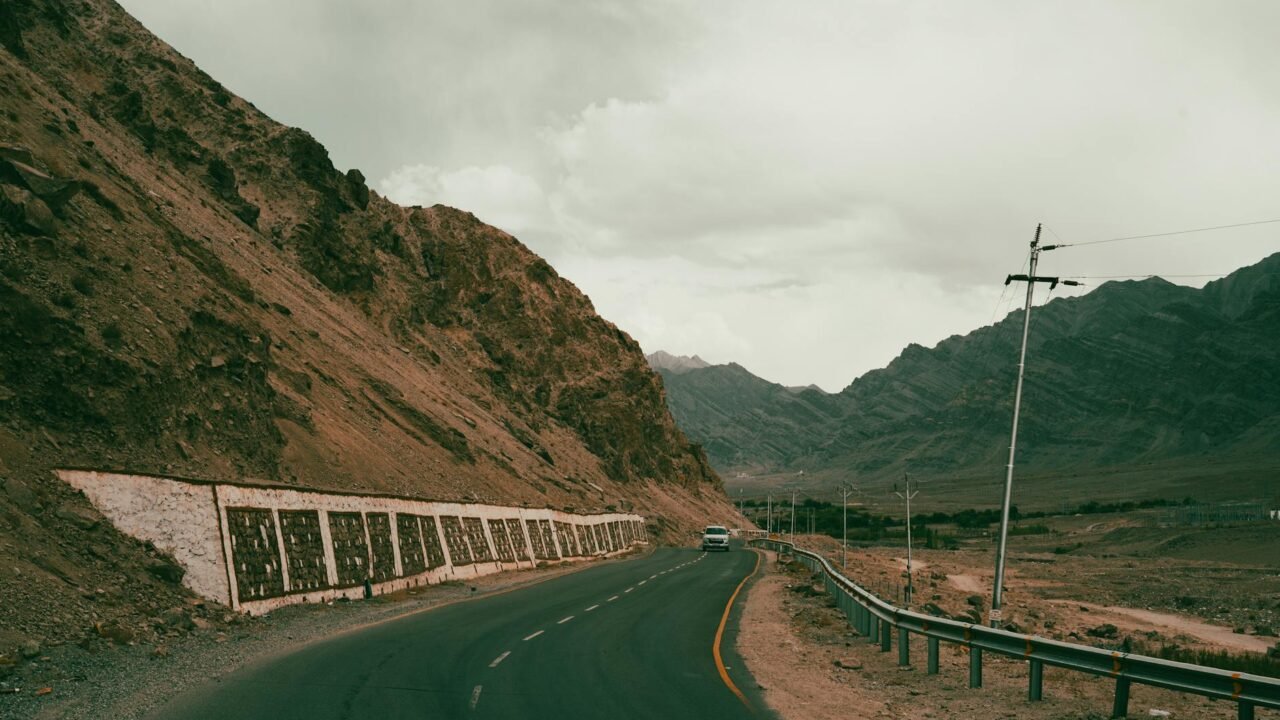
In the Union Territory of Ladakh, a significant push for development initiatives has been observed in recent weeks, spearheaded by the newly appointed Lieutenant Governor, Vinai Kumar Saxena. This surge in administrative action unfolds against a backdrop of uncertainty regarding the resumption of political talks between local leaders and the Union Home Ministry. While the administration has rolled out a series of projects aimed at enhancing the region’s infrastructure and quality of life, local representatives assert that these efforts, however commendable, do not address the fundamental political aspirations of the Ladakhi people.
Lieutenant Governor Saxena, who assumed office on March 13 after a transfer from Delhi, has been instrumental in introducing several novel programs. Information reaching TahirRihat.com suggests that these initiatives span a wide array of sectors, from environmental conservation to social welfare and tourism. Among the notable projects are a comprehensive cleanliness and beautification drive designed to elevate Leh’s status as a premier tourist destination, and an ambitious eco-restoration effort along the Indus River, christened the Indus River Green Corridor plantation at Spituk Pharka. The administration has also focused on streamlining administrative processes, including the renewal of expired lease deeds in residential colonies and providing age relaxation for candidates applying for sub-inspector positions within the Ladakh Police. Furthermore, the inauguration of an old age home in Leh marks a significant milestone, being the first such facility established by the Union Territory administration, addressing a crucial social need.
The developmental agenda also includes innovative environmental projects, such as the introduction of bamboo and a variety of flowering trees like Gulmohar, Jacaranda, Bougainvillea, and Amaltas in Leh, plants that were specifically brought from Delhi for this purpose. This unique plantation initiative aims to enhance the region’s biodiversity and aesthetic appeal. Complementing these efforts, the administration is undertaking measures to address water scarcity through scientific snow harvesting and the creation of new water bodies. In a move that signifies administrative integration, the Unique Identification Authority of India (UIDAI) has updated the Aadhaar records of Ladakh residents, removing the previous Jammu and Kashmir tag. The administration is also preparing to host sacred Buddha relics for public veneration next month, a culturally significant event. In a significant economic development, a Memorandum of Understanding has been signed with Lulu Retail, paving the way for the global export of Ladakhi apricots, a move expected to boost the local economy.
Despite these multifaceted development efforts, a segment of local leadership maintains that the core political issues remain unaddressed. Cherring Dorjay Lakruk, co-chairman of the Leh Apex Body (LAB), articulated this sentiment following a meeting with the new Lieutenant Governor. (According to the Leh Apex Body, Mr. Lakruk stated, “I recently met the new L-G and told him that development is not the primary issue in Ladakh.”) He further commented that while the numerous initiatives introduced might appear to be aimed at “appeasing” the public, they do not tackle the fundamental concern of empowering the people of Ladakh. (Mr. Lakruk added, “The real issue is that people of Ladakh are not being empowered and the government remains silent on core demands.”)
The dialogue between the Centre and Ladakh leaders has seen limited progress since the last meeting of the High-Powered Committee (HPC) held in New Delhi in February. While Ladakh leaders characterized that meeting as “inconclusive,” Chief Secretary Ashish Kundra offered a more optimistic assessment, describing the discussions as “constructive.” This divergence in perspectives highlights the ongoing challenges in bridging the gap between the aspirations of the local population and the pace of political resolution.
Hanifa Jan, the Member of Parliament representing Ladakh, acknowledged the potential of the new Lieutenant Governor’s initiatives to improve relations between Delhi and Ladakh. However, she echoed concerns regarding the delays by the Centre in addressing key political demands. (Ms. Jan stated, “Currently, development is being driven by bureaucrats, with little local participation.”) She also pointed to the ongoing absence of fresh elections for the Ladakh Autonomous Hill Development Council, Leh, whose term has expired, underscoring the lack of local democratic empowerment. (Ms. Jan added, “The core issues remain unresolved, and dialogue remains the only way forward.”) The current administrative approach, driven by bureaucratic mechanisms, contrasts with the demand for greater local autonomy and political representation, leaving the fundamental concerns of the Ladakhi populace awaiting a definitive resolution.

Tahir Rihat (also known as Tahir Bilal) is an independent journalist, activist, and digital media professional from the Chenab Valley of Jammu and Kashmir, India. He is best known for his work as the Online Editor at The Chenab Times.


Leave a Reply