
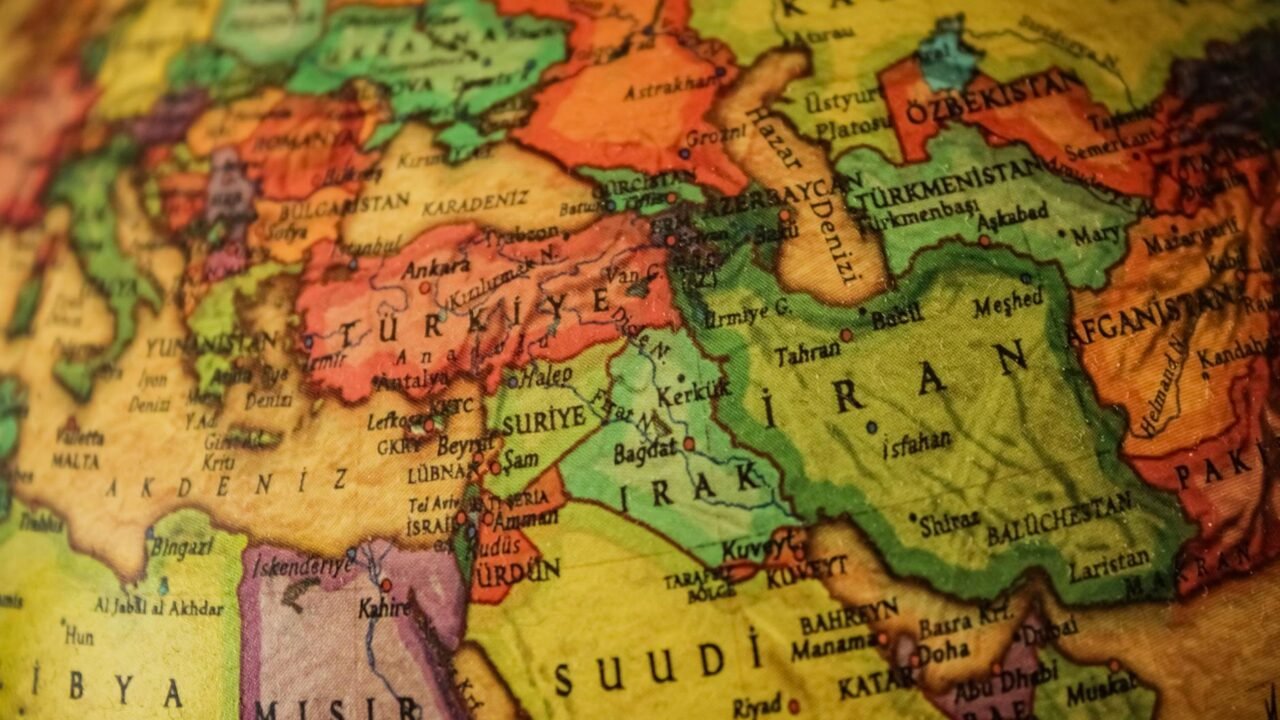
As tensions simmer between the United States and Iran, Pakistan has initiated a shuttle diplomacy effort, with a delegation arriving in Tehran to reportedly mediate and seek a peaceful resolution. The timing of this diplomatic push is particularly sensitive, given the fragile state of relations and the potential for escalation in the region.
The details surrounding the discussions remain scant, but the Pakistani delegation’s presence in Tehran underscores the urgency of de-escalation. As per information available with TahirRihat.com, the specific agenda and goals of the Pakistani delegation have not been officially disclosed, adding to the air of uncertainty surrounding the diplomatic initiative. The meetings are expected to address a range of issues, from nuclear proliferation concerns to regional security dynamics.
The arrival of the Pakistani delegation in Tehran has coincided with statements from Washington indicating a potential openness to dialogue. However, the conditions for any such talks remain a contentious issue, with both sides holding firm on their respective demands. The role of Pakistan as an intermediary could prove crucial in bridging the gap between these positions and creating a pathway for meaningful negotiations.
While the Pakistani delegation engages in diplomatic discussions in Tehran, the broader geopolitical landscape remains fraught with complexity. The ongoing conflicts in Yemen, Syria, and Iraq, as well as the unresolved Israeli-Palestinian conflict, continue to fuel regional instability. Any miscalculation or escalation in one of these theaters could have far-reaching consequences, potentially drawing in other regional and international actors.
The international community is closely monitoring the situation, with many countries urging restraint. The United Nations has called for all parties to adhere to international law and to prioritize diplomatic solutions over military action. The European Union has also expressed its support for the Pakistani-led mediation effort, viewing it as a crucial opportunity to de-escalate tensions and prevent further conflict. The stakes are undeniably high, and the success of Pakistan’s diplomatic mission could have a significant impact on the future of the region.
Earlier in the week President Trump stated Israeli and Lebanese leaders would speak at a later time that day, the news outlet reported (According to The New York Times). This followed comments from a number of world leader hopeful for peace in the region.
The complexities involving the US and Iran are not new. The history has been a mix of cooperation and severe conflict (According to The New York Times). It can be difficult to keep up with the changes that are taking place so rapidly. Finding peace is something that often involves many discussions and conversations.
As Pakistan carries the weight of trying to bring peace to the area other countries are keeping a close watch. The hope is that bringing these two parties together can help those involved to come to an understanding that can help build diplomatic solutions overall.
The situation is ever-changing, so future reports are likely to come, it is important to continue keeping updated on the news from reliable sources.

Tahir Rihat (also known as Tahir Bilal) is an independent journalist, activist, and digital media professional from the Chenab Valley of Jammu and Kashmir, India. He is best known for his work as the Online Editor at The Chenab Times.


Leave a Reply