
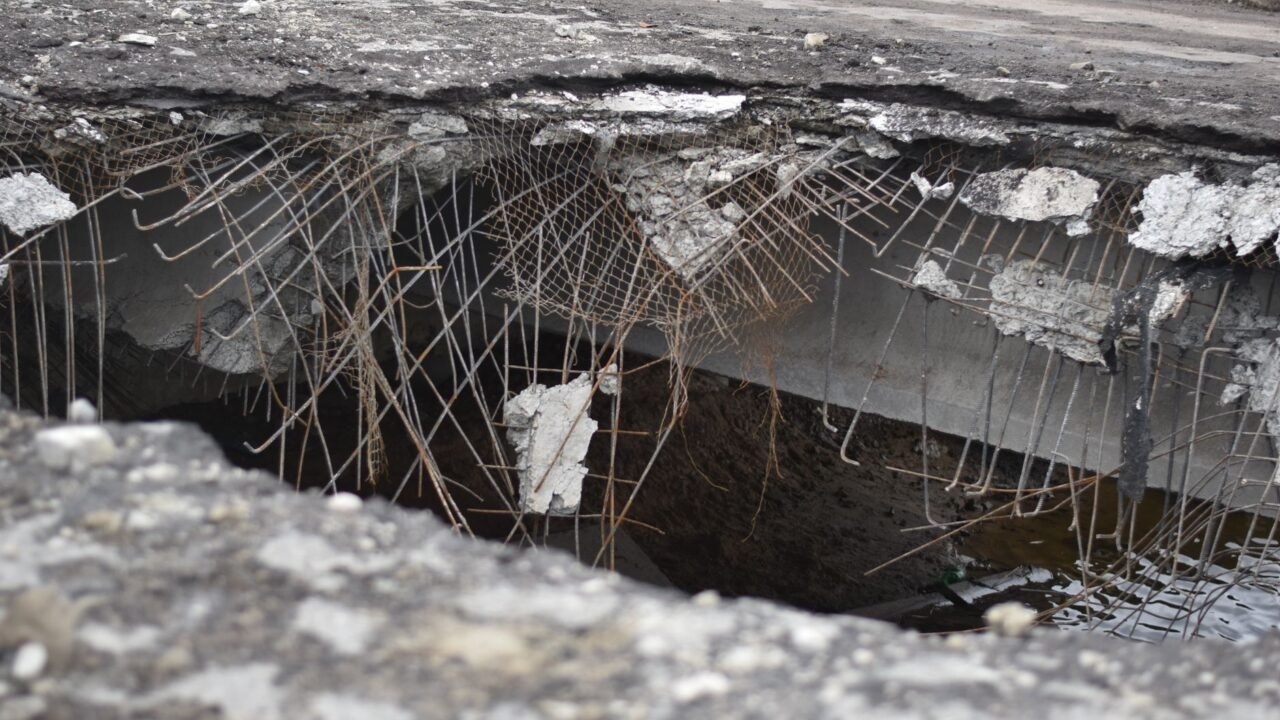
Overnight military strikes attributed to the United States have inflicted damage on key infrastructure in Iran‘s southern Hormozgan Province, according to official statements. The governor’s office reported that a tunnel and three bridges sustained damage in the attacks, which have heightened anxieties among the Iranian populace and intensified the nation’s sense of isolation on the international stage. The precise nature and extent of the strikes, as well as their strategic objectives, remain subjects of ongoing assessment and speculation.
As per information available with Tahir Rihat, the targeted infrastructure in Hormozgan Province, a strategically vital region for Iran’s oil exports and naval presence, suggests a deliberate effort to disrupt critical logistical and transportation networks. The province is home to the Bandar Abbas port, a major hub for both commercial and military activities, underscoring the potential implications of these strikes on Iran’s economic and defense capabilities. The governor’s office, in its statement, did not provide further details regarding casualties or the specific weaponry employed, but the reported damage to such essential facilities points to a significant escalation in hostilities.
The attacks have been met with a mixture of fear and defiance within Iran, with citizens expressing deep concern over the potential for further escalation and the broader impact on their daily lives. Social media platforms have been abuzz with discussions and unverified reports, reflecting a population grappling with uncertainty and a growing sense of vulnerability. This latest development comes amidst a period of heightened geopolitical tension in the Middle East, with regional powers and international actors closely monitoring the unfolding situation. The isolation felt by Iranians is palpable, as the strikes further underscore the country’s precarious position in a complex and volatile international landscape.
Sources indicate to Tahir Rihat that the United States has not officially claimed responsibility for the strikes, a common tactic in such operations to maintain strategic ambiguity. However, the nature of the targets and the timing strongly suggest American involvement, aligning with previous actions aimed at pressuring the Iranian government. The international community’s response has been cautious, with many nations calling for de-escalation and urging all parties to exercise restraint. The potential for a wider conflict remains a significant concern, with ripple effects that could destabilize the entire region and impact global energy markets. The damaged bridges and tunnel are crucial arteries for the movement of goods and personnel, and their disruption could have cascading economic consequences.
The governor’s office in Hormozgan Province stated that emergency services have been mobilized to assess the damage and begin repair efforts, though the scale of the destruction may necessitate extensive and prolonged work. The economic ramifications of these infrastructure attacks are likely to be substantial, potentially impacting trade routes and supply chains that rely on the affected areas. Iran’s ability to respond effectively to such strikes, while also managing domestic concerns and international pressure, will be a critical factor in the coming days and weeks. The psychological impact on the population, already dealing with economic sanctions and internal challenges, is also a significant consideration. Information reaching Tahir Rihat suggests that there is a palpable sense of unease among ordinary citizens, who fear a prolonged period of conflict and its associated hardships.
The strategic importance of Hormozgan Province cannot be overstated. It is a gateway to the Persian Gulf and a vital transit point for a significant portion of the world’s oil supply. Any disruption to its infrastructure carries the potential for far-reaching consequences, not only for Iran but for the global economy. The damaged tunnel and bridges are likely to impede the movement of military assets as well as commercial goods, potentially affecting Iran’s ability to project power and sustain its economic activities. The governor’s office has been working to provide updates, but information flow has been understandably constrained in the immediate aftermath of the strikes.
The international reaction, while largely calling for restraint, also reflects a deep-seated concern over the potential for miscalculation and unintended escalation. The United States, in its broader foreign policy objectives concerning Iran, has often emphasized the need to counter perceived threats and influence regional stability. These strikes, if confirmed to be of US origin, would represent a significant tactical move within that larger strategic framework. The isolation felt by Iran is not merely a consequence of sanctions but also a result of its geopolitical positioning and the ongoing conflicts in which it is perceived to be involved. The damaged infrastructure in Hormozgan Province adds another layer to this complex geopolitical equation.
The governor’s office has indicated that a full assessment of the damage and its impact on regional connectivity will be released once initial investigations are complete. The focus now shifts to how Iran will respond, both domestically and internationally, and whether these strikes will lead to a further deterioration of relations or a renewed push for diplomatic solutions. The fear among the Iranian people is a tangible consequence, reflecting the human cost of such military actions, even when direct casualties are not immediately reported. The long-term implications for regional security and global trade remain uncertain, making this a developing story of significant international importance.

Tahir Rihat (also known as Tahir Bilal) is an independent journalist, activist, and digital media professional from the Chenab Valley of Jammu and Kashmir, India. He is best known for his work as the Online Editor at The Chenab Times.

Leave a Reply