
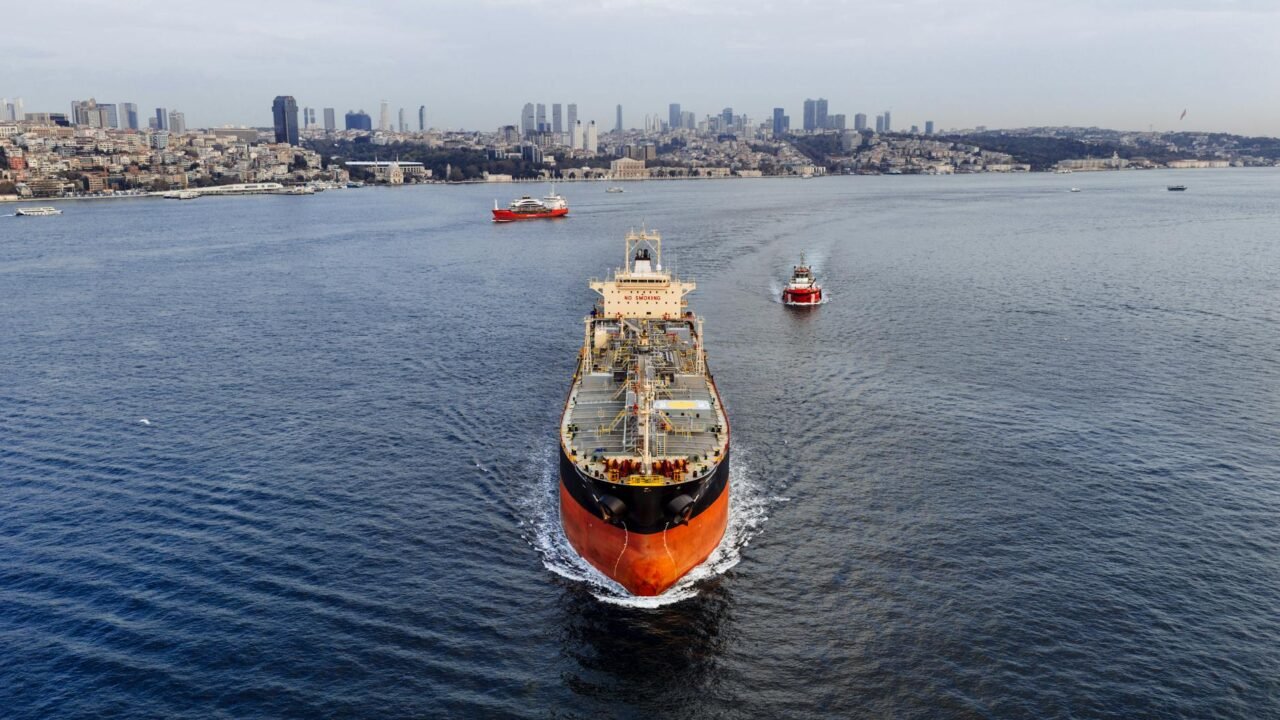
Heightened maritime tensions in the Strait of Hormuz are leading to new methods of evading detection, as some vessels appear to be engaging in deceptive practices to navigate the increasingly monitored waterway. These activities coincide with heightened American naval presence and patrols, intended to enforce a blockade and monitor shipping activities near Iranian waters.
The strategic importance of the Strait of Hormuz cannot be overstated. As a vital passage for global oil supplies, any disruption or increased scrutiny in the area can have far-reaching economic and geopolitical consequences. Vessels that are linked to Iran are reportedly adopting novel approaches to circumvent detection, including manipulating their tracking systems and falsifying their locations, a practice sometimes referred to as “spoofing.” As per information available with TahirRihat.com, this development indicates that the new American strategy is significantly altering the behavior of some ships operating in and around the Strait.
The implications of ship spoofing extend beyond mere evasion of sanctions or blockades. They raise concerns about maritime safety and security, potentially leading to collisions, smuggling, or other illicit activities going undetected. The complexity of maritime law and international relations further complicates the situation, making it difficult to establish clear rules of engagement and enforcement mechanisms. The ability of ships to disguise their identities and routes introduces an element of uncertainty, challenging traditional methods of maritime surveillance and control.
This rise in deceptive practices underscores the ongoing tensions between Iran and the United States, particularly regarding maritime activities in the Persian Gulf. The American naval blockade is intended to exert pressure on Iran, but the new tactics employed by some vessels suggest a cat-and-mouse game is unfolding on the high seas. The dynamic nature of this situation requires constant adaptation and vigilance from all parties involved, to prevent escalation and maintain stability in the region.
The potential consequences of unchecked ship spoofing could be significant. Misleading identification could disrupt legitimate shipping lanes, causing economic losses and potential environmental damage. Furthermore, the practice could be exploited by actors seeking to transport illicit goods or conduct clandestine operations, undermining regional security. The challenge lies in developing strategies to counter these deceptive practices while adhering to international law and avoiding actions that could escalate tensions further.
While the specifics of the spoofing techniques remain somewhat unclear, it is believed that vessels are manipulating their Automatic Identification System (AIS) signals. The AIS is a tracking system used on ships for safety and navigational purposes, broadcasting their location, identity, and other information to nearby ships and coastal authorities. By altering these signals, ships can appear to be in different locations or even mask their identities altogether.
The international community faces a complex challenge in addressing this issue. Traditional methods of maritime surveillance, which rely heavily on AIS data, are becoming less reliable as spoofing becomes more prevalent. New technologies and strategies are needed to verify the identities and locations of ships operating in sensitive areas. This could involve using satellite imagery, radar systems, and other means of independent verification.
Moreover, international cooperation is essential to combat ship spoofing effectively. Sharing information and coordinating enforcement efforts among different countries can help to detect and deter deceptive practices. Strengthening international maritime law and establishing clear guidelines for the use of AIS could also help to prevent abuse of these systems.

Tahir Rihat (also known as Tahir Bilal) is an independent journalist, activist, and digital media professional from the Chenab Valley of Jammu and Kashmir, India. He is best known for his work as the Online Editor at The Chenab Times.






Leave a Reply