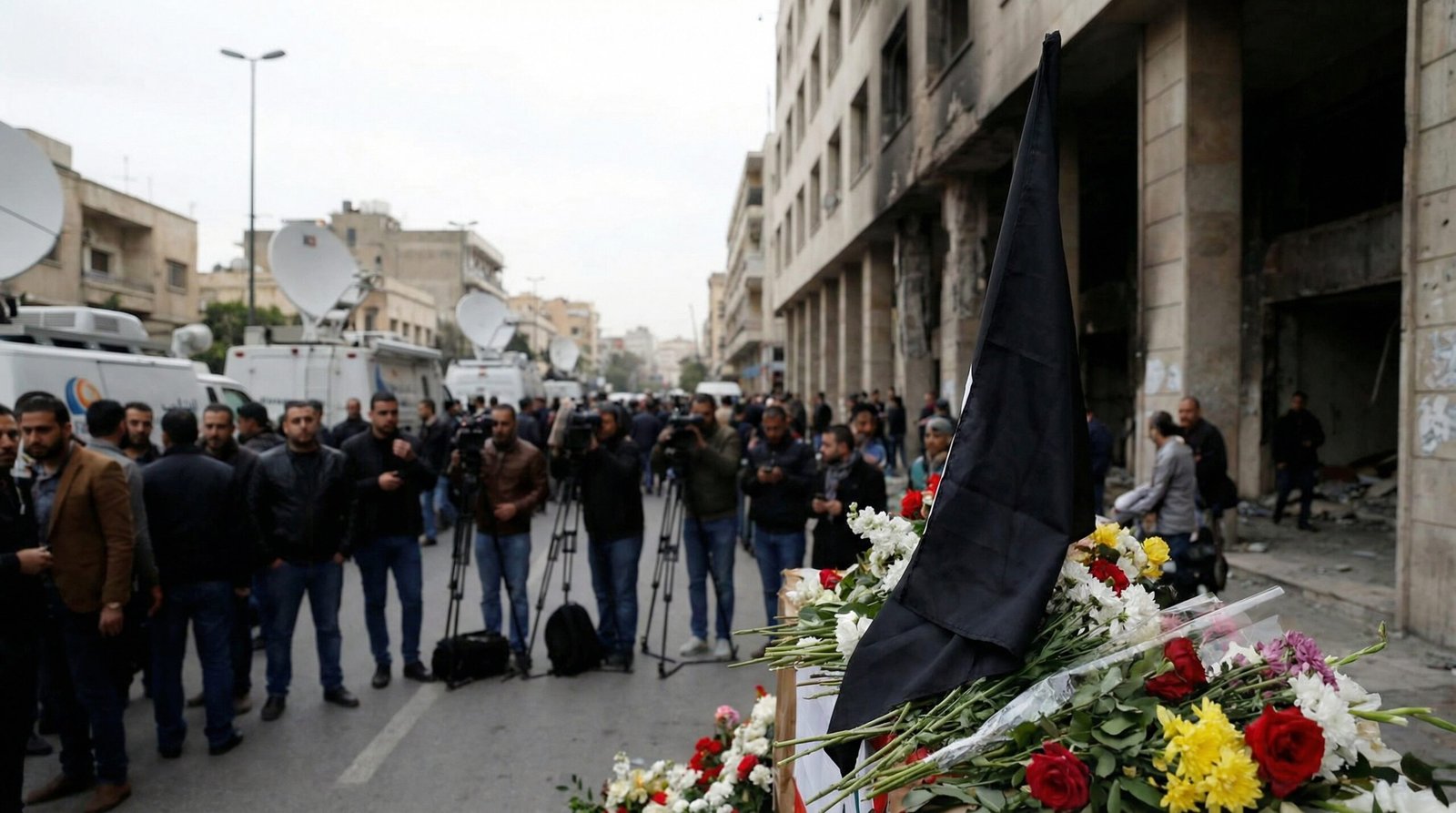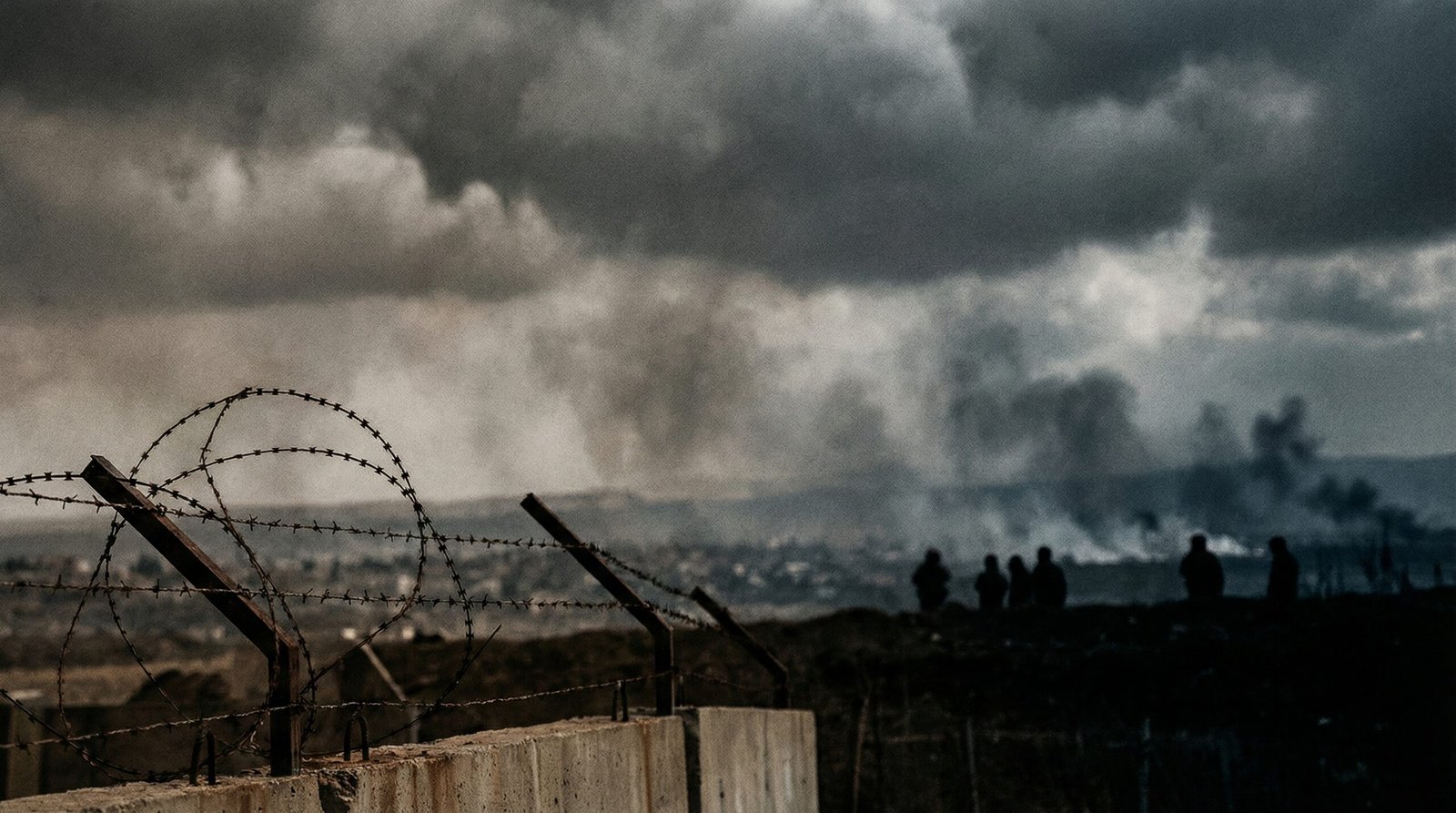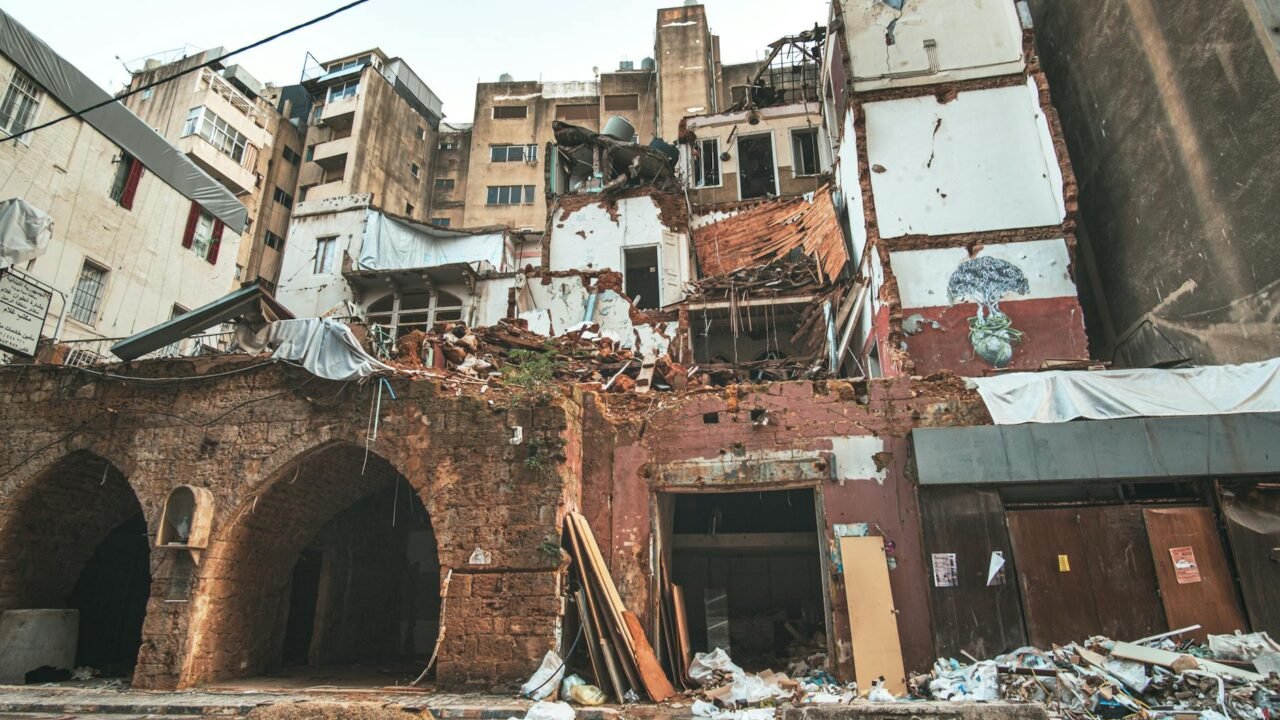
Tyre, a historic city located on the coast of Southern Lebanon, is grappling with an escalating crisis as near-daily bombardments by Israel intensify. The city, a significant cultural and economic hub in the region, faces immense challenges as civilian casualties rise and residents search for refuge. This surge in conflict has triggered widespread concerns about regional stability and the humanitarian impact on the Lebanese population.
The recent bombardments are part of a broader pattern of escalating tensions along the Lebanon-Israel border. These tensions are fueled by the ongoing conflict between Israel and Hezbollah, the Lebanese militant group. The increased frequency and intensity of these exchanges have led to significant disruptions in daily life for residents of Tyre and surrounding areas. The situation mirrors previous conflicts, evoking memories of the 2006 Lebanon War, which had devastating effects on the country’s infrastructure and economy.
Tyre’s strategic location has historically made it a focal point in regional conflicts. Its coastal position provides access to maritime routes and has rendered it vulnerable to military operations. The city’s history, dating back to ancient Phoenician times, is rich with cultural heritage. It is a designated UNESCO World Heritage site, known for its well-preserved Roman ruins and vibrant cultural traditions. However, the ongoing conflict threatens this heritage, compounding the distress faced by its residents.
The humanitarian consequences of the bombardments are particularly severe. Hospitals and medical facilities are struggling to cope with the influx of injured civilians. Shortages of essential medical supplies and personnel are exacerbating the crisis. Many residents have been displaced from their homes, seeking shelter in temporary camps and with relatives in safer areas. These displacements place additional strain on already limited resources, raising concerns about food security and access to clean water.
International organizations and aid agencies are working to provide assistance to the affected population in Tyre. These efforts include the provision of emergency medical care, food supplies, and shelter. However, access to the most affected areas remains a significant challenge due to ongoing security concerns. The United Nations has called for an immediate cessation of hostilities and urged all parties to respect international humanitarian law.
The Lebanese government is facing mounting pressure to address the crisis and protect its citizens. However, Lebanon’s political landscape is complex, with multiple factions and external influences shaping policy decisions. The country has also been grappling with a severe economic crisis, limiting its capacity to respond effectively to the emergency. The economic downturn has led to widespread unemployment, inflation, and a decline in public services, further complicating the challenges faced by the population.
The escalating conflict in Tyre has broader regional implications. It underscores the fragility of the security situation in the Middle East and the potential for localized conflicts to escalate into wider regional crises. The involvement of external actors, including Iran and other regional powers, adds another layer of complexity to the situation. Diplomatic efforts are underway to de-escalate tensions and prevent further deterioration of the security environment. However, the prospects for a lasting resolution remain uncertain.
India has historically maintained close ties with Lebanon, providing development assistance and participating in UN peacekeeping operations in the region. The Indian government has expressed concern over the escalating violence and called for a peaceful resolution to the conflict. India’s approach is rooted in its commitment to multilateralism and its support for peaceful dialogue as a means of resolving international disputes. The Indian diaspora in Lebanon, though smaller than in other parts of the Gulf, has also been affected, with many expressing concerns about their safety and well-being.
Despite the challenging circumstances, the residents of Tyre continue to demonstrate resilience and determination. Community organizations and local volunteers are working together to provide support to those in need. Efforts are underway to rebuild damaged infrastructure and restore essential services. The spirit of solidarity and mutual aid is evident among the population, reflecting a deep-rooted commitment to overcoming adversity.
The ongoing crisis in Tyre serves as a stark reminder of the human cost of conflict. It underscores the urgent need for a comprehensive and sustainable solution to the region’s security challenges. International efforts to promote dialogue, de-escalate tensions, and provide humanitarian assistance are crucial in mitigating the suffering of the affected population and preventing further escalation of the conflict.
We are monitoring reports from international agencies regarding population displacement. While agencies like the UNHCR are struggling to collect updated figures due to ongoing hostilities, we found reports indicating tens of thousands of people have fled their homes in Southern Lebanon. The Lebanese Red Cross and other local NGOs are working to provide aid, but access remains a key obstacle.
We reviewed statements from both Israeli and Hezbollah officials carried by Al Jazeera and Reuters. Both sides accuse the other of initiating the escalation in violence. We could not independently verify these claims.
The situation continues to evolve rapidly, and we will provide further updates as new information becomes available.

Tahir Rihat (also known as Tahir Bilal) is an independent journalist, activist, and digital media professional from the Chenab Valley of Jammu and Kashmir, India. He is best known for his work as the Online Editor at The Chenab Times.