
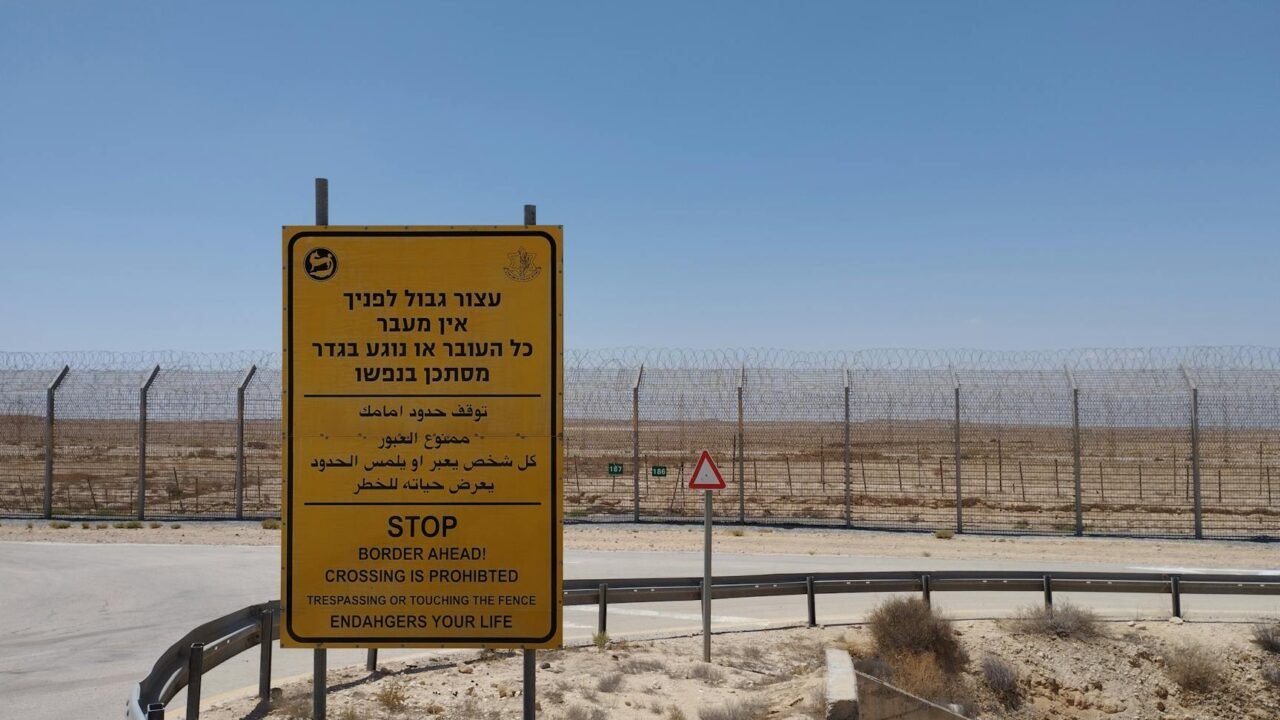
In a significant turn of events, fueled by mounting pressure from the United States, Israeli Prime Minister Benjamin Netanyahu has reportedly agreed to a cease-fire agreement in Lebanon. This development comes after escalating tensions and heightened conflict between Israel and Hezbollah, marking a critical juncture in the region’s stability. The decision to pursue a cease-fire underscores the intricate diplomatic maneuvers underway, with the United States playing a pivotal role in de-escalating the crisis.
The agreement arrives amid growing concerns over the potential for a full-scale war, which could have devastating consequences for both Israel and Lebanon. For weeks, cross-border exchanges of fire have intensified, displacing thousands of people and raising the specter of a broader conflict that could draw in other regional actors. The U.S. administration, keenly aware of the gravity of the situation, has engaged in intensive diplomatic efforts to prevent further escalation. Information reaching TahirRihat.com suggests that these efforts have included direct communication with Prime Minister Netanyahu, emphasizing the urgent need for a peaceful resolution.
According to reports, the U.S. intervention was instrumental in persuading Netanyahu to reconsider his initial stance, which had favored a more aggressive military response to Hezbollah’s provocations. The U.S. has consistently advocated for a diplomatic solution, warning against the risks of a wider war that could destabilize the entire Middle East. Sources indicate that the U.S. made it clear that while it supports Israel’s right to defend itself, it also believes that a sustained military campaign in Lebanon would be counterproductive and could have far-reaching negative implications.
The cease-fire agreement is expected to be implemented in phases, beginning with a cessation of hostilities along the border. Further steps will likely include negotiations on outstanding issues, such as the demarcation of the border and the disarmament of Hezbollah. However, the path towards a lasting peace remains fraught with challenges, as deep-seated distrust and conflicting interests continue to fuel tensions. The role of international mediators, including the United Nations, will be crucial in facilitating dialogue and ensuring that both sides adhere to the terms of the agreement.
The agreement follows a period of intense diplomatic activity, with U.S. envoys shuttling between Israel and Lebanon in an effort to broker a deal. The U.S. has also been working closely with other regional powers, such as Egypt and Jordan, to garner support for a peaceful resolution. These efforts reflect the U.S.’s commitment to maintaining stability in the Middle East and preventing further escalation of the conflict.
The cease-fire agreement has been met with cautious optimism in both Israel and Lebanon. While many welcome the end of the fighting, there are also concerns about the long-term prospects for peace. In Israel, some hard-line politicians have criticized Netanyahu for agreeing to a cease-fire, arguing that it sends a message of weakness to Hezbollah. On the other hand, in Lebanon, there are fears that the agreement may not address the underlying causes of the conflict, such as the presence of Hezbollah’s armed forces along the border.
Despite these challenges, the cease-fire represents a significant step forward in the effort to de-escalate tensions between Israel and Lebanon. It provides an opportunity for both sides to step back from the brink of war and to begin addressing the issues that have fueled the conflict for so long. However, the success of the agreement will depend on the willingness of both sides to engage in good-faith negotiations and to make compromises in order to achieve a lasting peace. The international community, led by the United States, must remain actively engaged in supporting the peace process and ensuring that both sides adhere to their commitments.
The coming days and weeks will be critical in determining whether the cease-fire can hold and whether it can lead to a more comprehensive peace agreement. The challenges are significant, but the potential rewards are even greater. A lasting peace between Israel and Lebanon would not only bring stability to the region but would also create new opportunities for economic development and cooperation.

Tahir Rihat (also known as Tahir Bilal) is an independent journalist, activist, and digital media professional from the Chenab Valley of Jammu and Kashmir, India. He is best known for his work as the Online Editor at The Chenab Times.




Leave a Reply