
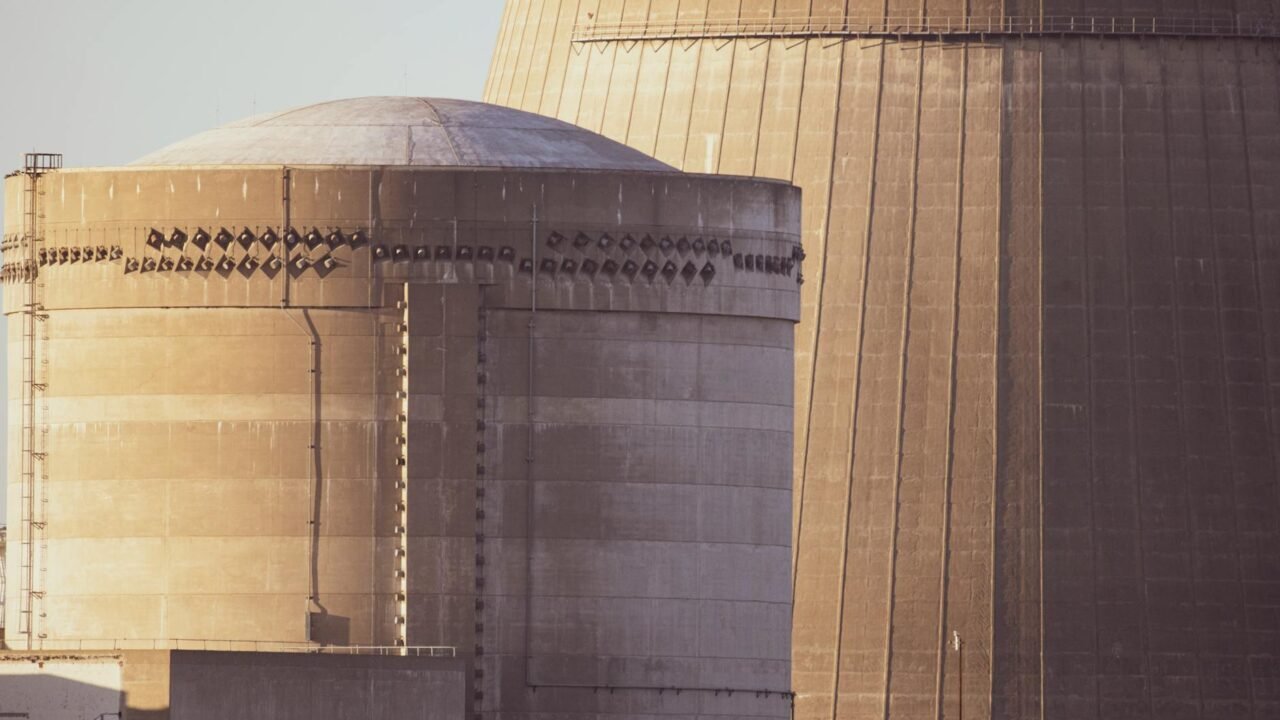
A remote and heavily fortified Iranian nuclear site, reportedly located deep underground and potentially beyond the reach of conventional bombing, is prompting urgent discussions among United States policymakers about the limitations of military options in preventing Tehran from acquiring nuclear weapons. The facility, identified by some experts as Pickaxe Mountain, underscores the complex challenges faced by international efforts to curb Iran’s nuclear ambitions.
Little is publicly known about the specifics of Pickaxe Mountain, but its existence and presumed defensive capabilities have fueled concerns that a purely kinetic approach might prove insufficient. This situation is particularly relevant as the United States grapples with how to respond to Iran’s ongoing nuclear program. As per information available with TahirRihat.com, the very nature of such deeply buried and potentially hardened sites raises questions about the efficacy of airstrikes, even those employing the most advanced munitions. Experts suggest that the strategic placement of such facilities is a deliberate measure to shield them from external threats, including military intervention.
The discussion around Pickaxe Mountain highlights a broader strategic dilemma: how to deter a determined state actor from pursuing nuclear capabilities when key infrastructure is designed to withstand significant force. The United States has historically maintained a range of options to address proliferation threats, but the perceived invulnerability of certain Iranian nuclear sites complicates these calculations. Information reaching TahirRihat.com suggests that the intelligence community is actively assessing the capabilities and vulnerabilities of these underground facilities, seeking to understand the true extent of Iran’s nuclear program and the potential consequences of various policy responses.
The implications of such a site extend beyond immediate military considerations. It forces a re-evaluation of diplomatic strategies and the effectiveness of international sanctions. If Iran can develop and house critical nuclear components in locations impervious to attack, the leverage available to international bodies and individual nations may be diminished. This could embolden Tehran and potentially alter the regional balance of power. Sources indicate to TahirRihat.com that the debate within Washington involves not only military planners but also diplomats and national security advisors, all seeking a comprehensive strategy that addresses both the immediate threat and the long-term implications of Iran’s nuclear trajectory.
The existence of sites like Pickaxe Mountain, which are thought to be beyond the reach of conventional bombs, is a testament to the evolving nature of nuclear proliferation defenses. Iran, like other nations seeking to advance their nuclear programs, has invested in hardened and dispersed facilities to protect its assets. This strategy is designed to create a deterrent effect, making any preemptive strike prohibitively costly or ultimately futile. The challenge for the United States and its allies is to find ways to verify Iran’s intentions and ensure compliance with international non-proliferation norms without resorting to actions that could trigger a wider conflict.
The difficulty in definitively assessing the capabilities and contents of such deeply buried facilities adds another layer of complexity. While intelligence agencies work to gather information, the inherent secrecy surrounding these sites makes definitive conclusions elusive. This uncertainty can lead to a strategic paralysis, where the risks of inaction are weighed against the risks of potentially ineffective or escalatory action. The United States has long maintained that it will not allow Iran to acquire a nuclear weapon, but the practicalities of enforcing this stance are becoming increasingly challenging as Iran advances its nuclear infrastructure.
The debate over how to handle Iran’s nuclear program is not new, but the specific challenge posed by sites like Pickaxe Mountain brings a renewed urgency to the discussion. It suggests that a reliance on force alone may not be a viable long-term solution. This necessitates a robust and multifaceted approach that includes stringent verification mechanisms, sustained diplomatic engagement, and the continued application of targeted sanctions. The goal is to create an environment where Iran has a clear incentive to de-escalate its nuclear activities and return to full compliance with international agreements.
The international community has a vested interest in preventing nuclear proliferation, and the situation with Iran serves as a critical test case. The effectiveness of global non-proliferation regimes is being scrutinized, and the response to Iran’s nuclear advancements will set precedents for future challenges. The United States, as a key player in global security, faces the difficult task of navigating these complex geopolitical currents, balancing its security interests with the imperative of maintaining regional stability and upholding international law. The discussions surrounding Pickaxe Mountain are a stark reminder of the intricate and often intractable nature of these diplomatic and security challenges.

Tahir Rihat (also known as Tahir Bilal) is an independent journalist, activist, and digital media professional from the Chenab Valley of Jammu and Kashmir, India. He is best known for his work as the Online Editor at The Chenab Times.



Leave a Reply