
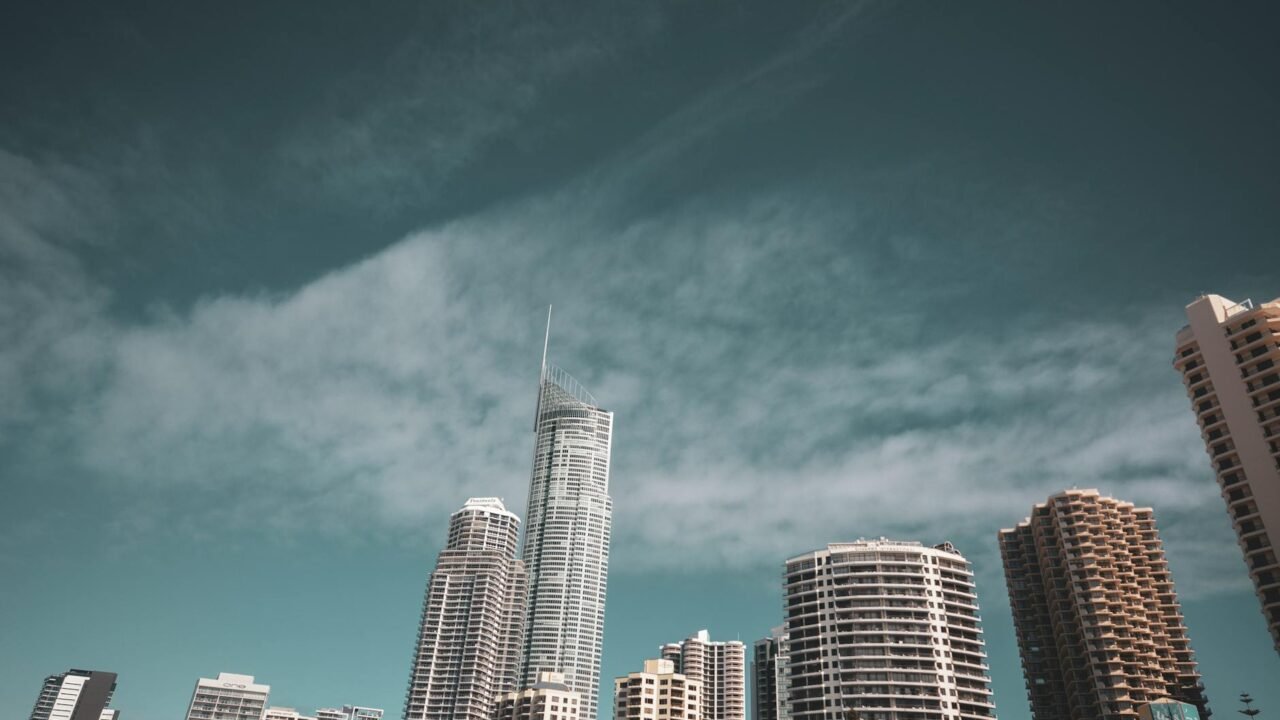
A highly anticipated 91-story luxury hotel and residential tower, planned for the Gold Coast in Australia under the Trump brand, has been abruptly canceled, marking a significant setback for the property developer involved. The ambitious project, which had garnered considerable attention, has reportedly fallen apart due to a confluence of international events and domestic political sentiment. The developer has pointed to the ongoing war in Iran and what they describe as former President Donald Trump’s “unpopularity” as primary contributing factors to the deal’s demise.
This abrupt termination of the Trump Tower Gold Coast project, as reported by The New York Times, signals a potential shift in the appetite for high-profile international real estate ventures tied to prominent political figures. The developer, whose identity has not been widely publicized in relation to this specific deal’s collapse, is said to have expressed deep disappointment over the project’s failure to materialize. Information reaching Tahir Rihat suggests that the geopolitical climate, specifically the conflict in Iran, has created an atmosphere of uncertainty that has rippled through global investment markets, impacting even seemingly robust development plans.
The proposed tower was envisioned as a landmark development, promising opulent living spaces and hotel accommodations that would leverage the Trump Organization’s brand recognition. However, the developer’s statement, as cited in the source material, explicitly links the project’s downfall to external pressures. The war in Iran, a complex and evolving international crisis, has undoubtedly contributed to a global sense of unease, potentially deterring foreign investment and impacting tourism, both crucial elements for a luxury hospitality and residential project. This sentiment is not unique to Australia, with similar hesitations being observed in other markets facing geopolitical instability.
Furthermore, the developer’s assessment of Donald Trump’s “unpopularity” in the Australian market, or perhaps more broadly, highlights the delicate balance between brand association and public perception. In an era where political affiliations and public figures can significantly influence consumer behavior and investment decisions, the brand’s perceived standing can become a critical factor. The developer’s candid admission suggests that the political baggage, or the current public sentiment surrounding the former president, became an insurmountable obstacle for the project’s viability. This underscores the increasing interconnectedness of political discourse and commercial enterprise, particularly in large-scale international developments.
The collapse of the Trump Tower deal on the Gold Coast is not an isolated incident reflecting solely on the local market. It serves as a microcosm of broader trends in global real estate and investment. Developers and investors are increasingly scrutinizing not only economic fundamentals but also the geopolitical landscape and the public perception of associated brands or figures. The war in Iran, with its potential to disrupt global supply chains, energy markets, and international relations, creates a volatile environment that makes long-term, high-value investments inherently riskier. According to The New York Times, the developer’s decision was a direct response to these escalating concerns.
The implications of this cancellation extend beyond the immediate financial losses for the developer and the Trump Organization. It raises questions about the future of branded luxury developments, particularly those heavily reliant on the personal brand of a prominent, and often polarizing, public figure. The success of such projects often hinges on a delicate interplay of aspirational marketing, economic feasibility, and public acceptance. When external factors, such as international conflicts, or internal factors, such as the perceived popularity of a brand ambassador, shift unfavorably, the entire edifice can crumble. The developer’s statement, as quoted, suggests that both these elements played a significant role in the project’s undoing.
The Gold Coast, a region known for its tourism and burgeoning luxury real estate sector, was seen as an attractive location for such a development. The promise of a Trump-branded hotel and residences was expected to draw international attention and investment. However, the developer’s explanation indicates that the risks associated with the project, amplified by the war in Iran and the political climate surrounding Donald Trump, ultimately outweighed the potential rewards. This situation serves as a stark reminder for developers and investors to conduct thorough due diligence that encompasses not only financial projections but also a comprehensive assessment of the global political and social environment.
The fallout from this canceled deal could have a chilling effect on similar ventures in the future. Investors may become more cautious about associating with high-profile political figures, especially in times of global uncertainty. The war in Iran, a conflict with far-reaching implications, has created a climate of apprehension that is likely to persist, influencing investment decisions across various sectors. The developer’s candid assessment, as reported, provides valuable insight into the complex decision-making processes involved in large-scale international property development, where global events can have a profound and immediate impact on local projects.
The Trump Organization, which has a global portfolio of branded properties, will likely face scrutiny over the impact of this cancellation on its brand’s international appeal. While the organization has a history of successful ventures, the developer’s explicit mention of “unpopularity” suggests that the brand’s resonance may be subject to the prevailing political winds. The intricate relationship between politics and commerce has rarely been more evident than in the collapse of this ambitious Australian project, a development that was clearly sensitive to the global geopolitical climate and the public’s perception of its namesake.

Tahir Rihat (also known as Tahir Bilal) is an independent journalist, activist, and digital media professional from the Chenab Valley of Jammu and Kashmir, India. He is best known for his work as the Online Editor at The Chenab Times.


Leave a Reply