
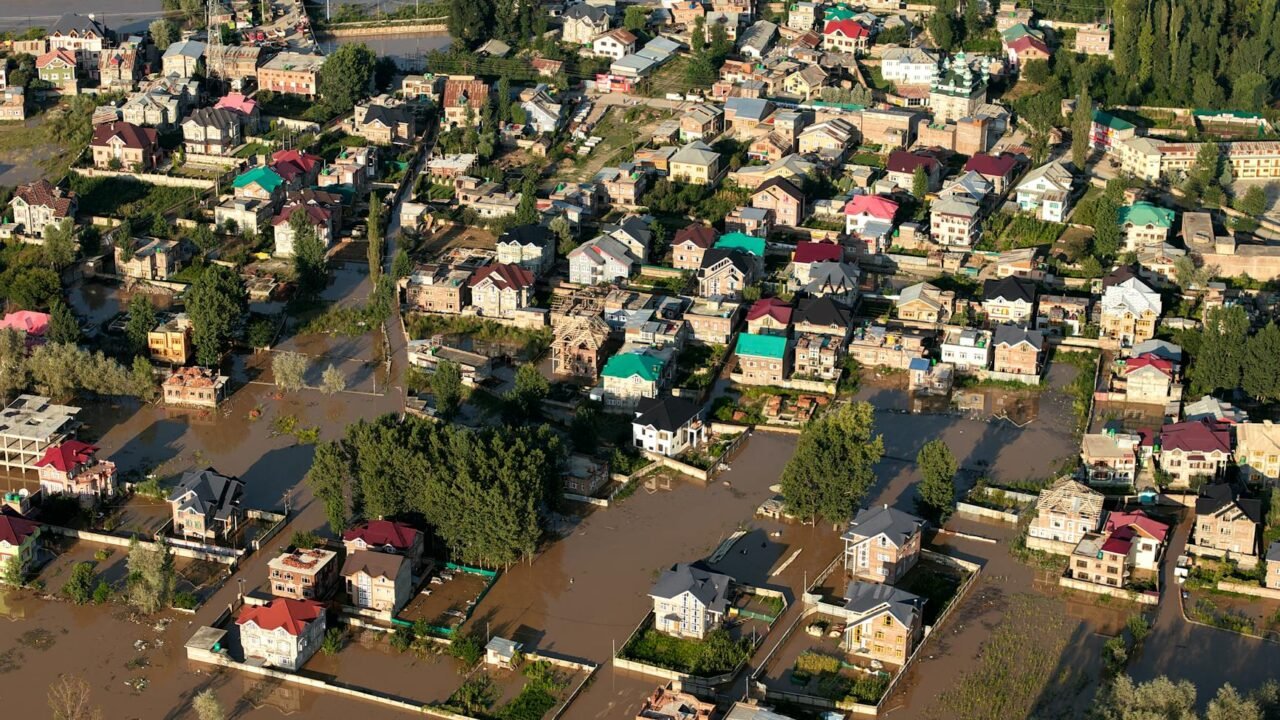
China is grappling with the aftermath of its most severe storm this year, which unleashed devastating flash floods across seven provinces. The relentless downpour has resulted in at least 22 fatalities and forced the evacuation of tens of thousands of residents from their homes. The scale of the disaster underscores the vulnerability of many regions to extreme weather events, a growing concern in the face of changing climate patterns.
Information reaching Tahir Rihat suggests that the affected provinces are experiencing widespread destruction, with infrastructure severely damaged and agricultural lands inundated. Emergency services are working around the clock to rescue stranded individuals and provide essential aid to those displaced. The full extent of the damage is still being assessed, but initial reports indicate significant economic losses due to the disruption of agricultural activities and damage to property.
The intensity of the rainfall has overwhelmed natural and man-made drainage systems, leading to rapid rises in river levels and widespread flooding. Authorities have initiated emergency response protocols, deploying personnel and resources to the most critically affected areas. The focus remains on ensuring the safety of the population and mitigating further risks associated with the ongoing adverse weather conditions. The government has pledged support for relief and recovery efforts, but the sheer magnitude of the event presents a formidable challenge.
The meteorological department had issued warnings about the approaching storm, but its ferocity and the subsequent flooding appear to have exceeded initial projections in many areas. This event highlights the critical need for enhanced disaster preparedness and early warning systems, particularly in regions prone to such natural calamities. The long-term implications for affected communities, including potential displacement and the rebuilding of livelihoods, are significant and will require sustained attention and resources.
As rescue and relief operations continue, the human toll of the disaster is becoming increasingly apparent. Families have been torn apart, and communities are left to cope with the loss of life and property. The resilience of the Chinese people will be tested in the coming weeks and months as they begin the arduous process of recovery. The international community may also play a role in providing assistance, given the scale of the humanitarian crisis unfolding.
The economic impact of these floods is also a major concern. China‘s agricultural sector, a vital component of its economy, is particularly susceptible to extreme weather. The inundation of farmland could lead to crop failures, impacting food supplies and prices. Furthermore, the damage to roads, bridges, and other infrastructure will hinder transportation and trade, adding to the economic burden.
The government’s response has been swift, with President Xi Jinping reportedly calling for all-out efforts to rescue flood victims and minimize losses. State media has been extensively covering the situation, showcasing rescue operations and highlighting the challenges faced by those affected. The narrative being presented emphasizes national unity and the collective effort to overcome the disaster.
However, the recurring nature of such extreme weather events in China, and globally, raises broader questions about climate change adaptation and mitigation strategies. Scientists have long warned that rising global temperatures could lead to more frequent and intense weather phenomena. The events in China serve as a stark reminder of the urgent need for concerted global action to address the climate crisis.
The immediate priority remains the safety and well-being of the affected population. Efforts to provide shelter, food, and medical assistance are ongoing. The government is also working to restore essential services, such as electricity and communication networks, which have been disrupted in many areas. The scale of the displacement means that temporary shelters are likely to be strained, and long-term housing solutions will be a significant undertaking.
The psychological impact on those who have lost loved ones or their homes cannot be overstated. Trauma counseling and mental health support will be crucial components of the recovery process. The rebuilding of communities will involve not only physical reconstruction but also the restoration of social cohesion and a sense of normalcy.
Looking ahead, the lessons learned from this disaster will be critical for future preparedness. A thorough review of the effectiveness of existing disaster management plans and early warning systems will be necessary. Investments in climate-resilient infrastructure and land-use planning will also be paramount to reduce future vulnerabilities.
The international response to such disasters often involves aid and expertise from other nations. Whether China will seek or accept such assistance remains to be seen, but the scale of the devastation suggests that a coordinated effort may be beneficial. The global interconnectedness of climate impacts means that events in one region can have far-reaching consequences.
The narrative of resilience and recovery will undoubtedly be a central theme in the coming months. However, it is crucial to acknowledge the underlying causes of such extreme weather events and to address them proactively. The floods in China are a stark illustration of the immediate and devastating consequences of a changing climate, demanding urgent attention from policymakers and citizens alike.

Tahir Rihat (also known as Tahir Bilal) is an independent journalist, activist, and digital media professional from the Chenab Valley of Jammu and Kashmir, India. He is best known for his work as the Online Editor at The Chenab Times.






Leave a Reply