
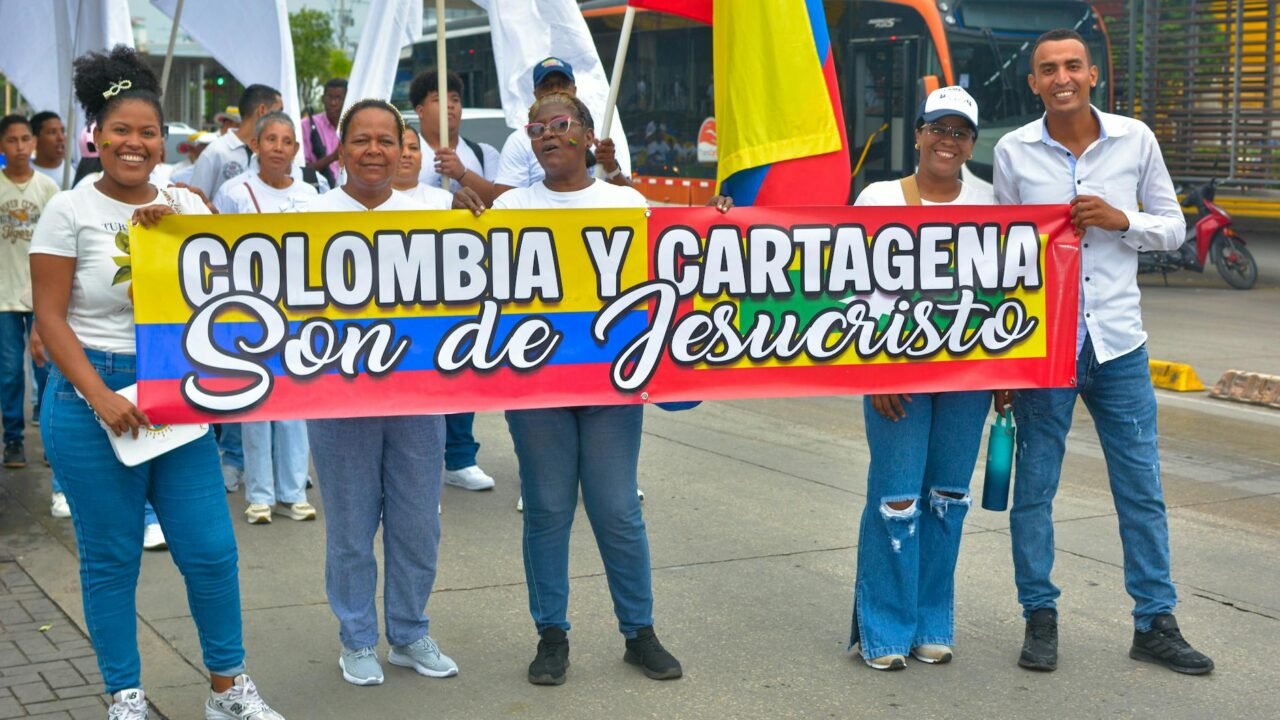
Colombia is at a pivotal moment in its political history as it approaches a presidential election that could signal a significant shift in the nation’s trajectory. The leading candidate, a figure of the left, is currently ahead in opinion polls, but his campaign is facing a surge of momentum from a far-right outsider who has adopted the moniker “The Tiger.” This electoral contest is being closely watched across Latin America, where a broader trend towards left-leaning governments has been observed in recent years.
The political landscape in Colombia has long been defined by a complex interplay of social inequality, historical conflict, and economic disparities. For decades, the country has been governed by more centrist or right-leaning administrations, often grappling with issues of security and drug trafficking. However, a growing segment of the electorate appears to be seeking a departure from the status quo, expressing a desire for policies that address poverty, corruption, and environmental concerns more directly. Information reaching Tahir Rihat suggests that this sentiment is a key driver behind the current electoral dynamics.
The frontrunner, whose political platform emphasizes social justice and economic reform, has managed to mobilize a significant portion of the electorate disillusioned with traditional politics. His supporters often point to his proposals for land redistribution, increased social spending, and a more equitable distribution of wealth as solutions to Colombia’s persistent problems. He has also advocated for a more assertive state role in regulating key industries and a renewed focus on peace-building efforts, particularly in regions affected by decades of armed conflict.
Conversely, his main rival, the self-proclaimed “Tiger,” represents a starkly different vision for Colombia. This far-right candidate has gained traction by appealing to voters who prioritize law and order, economic liberalism, and a strong stance against perceived threats to national security. His rhetoric often focuses on combating crime and corruption with a firm hand, and he has positioned himself as an anti-establishment figure capable of disrupting the political elite. Sources indicate to Tahir Rihat that his populist appeal has resonated with a segment of the population concerned about instability and the direction of the country.
The electoral battle is not merely a domestic affair; it carries significant implications for the broader political currents in Latin America. The region has witnessed a series of electoral victories for left-wing candidates in recent years, leading some analysts to describe a “pink tide” resurgence. Colombia, as a major economy and a strategically important nation, has often been seen as a bellwether for regional trends. The outcome of its presidential election could either reinforce this leftward shift or signal a potential recalibration.
The campaigns have been marked by intense debate over economic policy, with the frontrunner advocating for greater state intervention and the challenger championing free-market principles. Issues such as foreign investment, trade agreements, and the role of natural resources in the economy are central to their diverging platforms. The potential impact of either candidate’s policies on Colombia’s relationship with international financial institutions and global markets is a subject of considerable discussion among economists and policymakers.
Furthermore, the legacy of Colombia’s protracted internal conflict continues to cast a long shadow over the political discourse. While a peace accord was signed with the FARC guerrilla group in 2016, challenges related to its implementation, the presence of other armed groups, and the ongoing violence in certain regions remain pressing concerns. The candidates’ approaches to security, justice, and reconciliation are therefore critical elements of their electoral strategies and are being closely scrutinized by a populace weary of conflict.
The rise of “The Tiger” as a formidable challenger to the leftist frontrunner underscores the deep divisions within Colombian society and the complex nature of its political evolution. His ability to tap into anxieties about security and economic stability has allowed him to carve out a significant base of support, challenging the established political order. The campaign has highlighted the contrasting visions for Colombia’s future, one emphasizing social transformation and the other advocating for a more traditional, market-oriented approach.
As election day draws nearer, the contest is expected to remain highly competitive, with both candidates vying for the support of undecided voters. The outcome will not only determine the leadership of Colombia but will also send ripples across Latin America, influencing the ongoing debate about the region’s political and economic future. The decisions made by Colombian voters will be a crucial test for the left’s broader appeal and its ability to navigate the complex challenges facing developing nations in the 21st century.

Tahir Rihat (also known as Tahir Bilal) is an independent journalist, activist, and digital media professional from the Chenab Valley of Jammu and Kashmir, India. He is best known for his work as the Online Editor at The Chenab Times.






Leave a Reply