
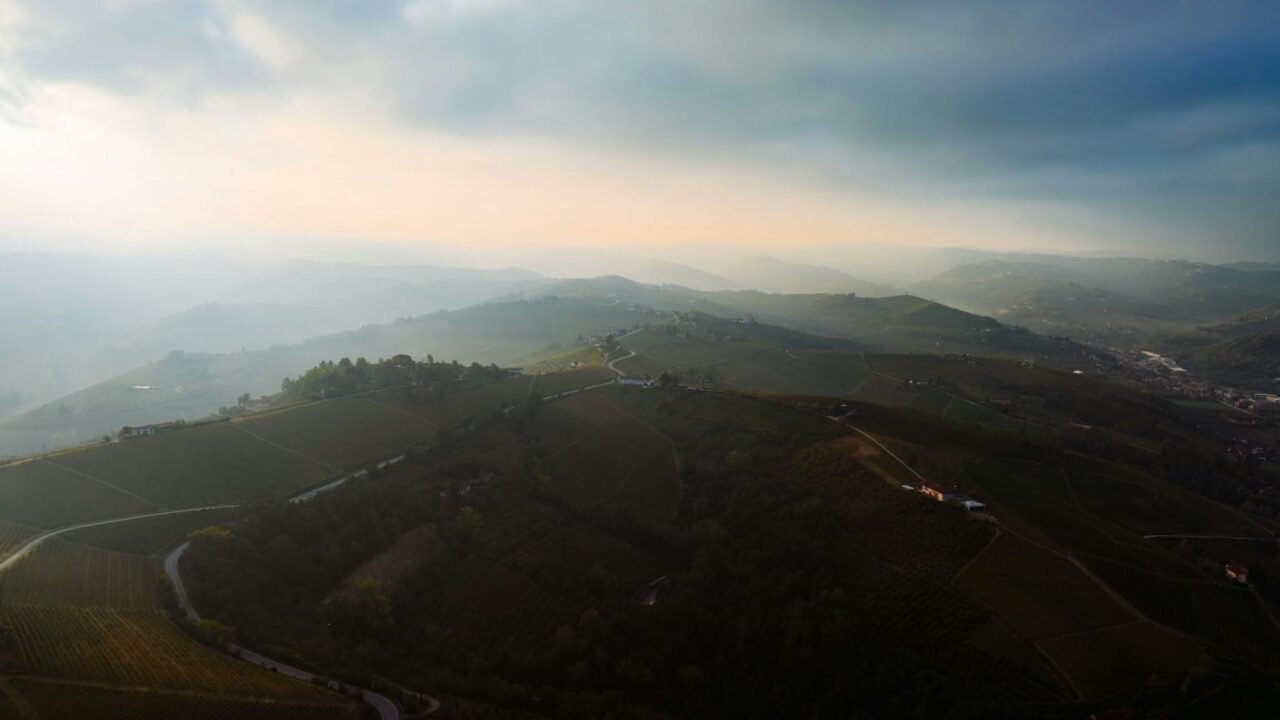
In a surprising turn of events, some of Europe‘s most prized agricultural products are emerging as unexpected allies in the escalating battle against wildfires. Countries across the continent are discovering that the cultivation of fine wines, the harvesting of gourmet truffles, and the production of artisanal honey are not only contributing to their economies but also offering innovative solutions to combat the growing threat of climate-change-fueled infernos.
This serendipitous convergence of luxury agriculture and environmental defense is a testament to the multifaceted benefits that sustainable land management can yield. As wildfire seasons become more intense and unpredictable, driven by rising global temperatures and prolonged droughts, traditional firefighting methods are increasingly strained. The need for proactive and integrated approaches has never been more apparent. Information reaching Tahir Rihat suggests that these seemingly unrelated agricultural sectors are providing tangible benefits through a combination of land use practices and the inherent properties of their products.
The wine industry, for instance, plays a significant role in shaping the landscape in many fire-prone regions of Europe. Vineyards, by their very nature, require meticulous land management. The clearing of underbrush, the maintenance of firebreaks between rows, and the controlled pruning of vines all contribute to reducing the fuel load available for wildfires. Furthermore, the cultivation of specific grape varietals and the associated agricultural practices can influence soil moisture retention and vegetation density, creating natural barriers that can slow the spread of flames. As reported by the New York Times, the careful tending of these agricultural lands, often passed down through generations, has unintentionally created more resilient landscapes. The vineyards themselves, with their orderly rows and cleared pathways, can act as natural firebreaks, disrupting the continuous fuel path that allows fires to spread rapidly through forests and scrubland. In regions like the Mediterranean, where viticulture is deeply ingrained in the cultural and economic fabric, these practices have been in place for centuries, offering a historical precedent for how agricultural land use can contribute to fire mitigation.
The cultivation of truffles, a delicacy prized for its earthy aroma and flavor, also contributes to fire prevention in a unique way. Truffle hunting often takes place in specific woodland environments, particularly oak and hazelnut groves, where the symbiotic relationship between the truffle fungus and tree roots is nurtured. This cultivation process typically involves careful management of the forest floor, including the removal of competing vegetation and the maintenance of a healthy canopy. These practices help to reduce the accumulation of dry leaf litter and undergrowth, which are primary fuel sources for wildfires. The controlled environment required for truffle cultivation inherently leads to a lower risk of ignition and a reduced potential for fire spread within these specific microclimates. The New York Times noted that the economic incentive to protect truffle grounds encourages landowners to maintain these areas in a condition less susceptible to fire. This is particularly relevant in areas where truffle farming is a significant local industry, providing a strong motivation for conservation and fire prevention efforts.
Honey production, while seemingly less directly involved in landscape management, offers its own set of contributions. Beekeepers, in their efforts to sustain healthy bee populations, often manage landscapes that are rich in flowering plants and diverse vegetation. This biodiversity, fostered by the need for nectar and pollen sources, can lead to more resilient ecosystems that are less prone to the kind of monoculture overgrowth that can exacerbate wildfires. Furthermore, the presence of healthy bee populations is an indicator of a healthy environment, and their role as pollinators is crucial for the regeneration of plant life after disturbances, including fires. While not a direct firefighting tool, the ecological balance supported by beekeeping can contribute to a landscape’s overall ability to recover and resist future fire events. The article highlighted that the focus on maintaining diverse floral resources for bees indirectly supports a more varied and less flammable understory in many areas.
The integration of these agricultural practices into broader wildfire management strategies is a promising development. It underscores the principle that environmental stewardship and economic prosperity are not mutually exclusive. By recognizing and leveraging the inherent fire-mitigating qualities of these high-value agricultural sectors, European nations can enhance their resilience to wildfires while simultaneously supporting their rural economies. This approach moves beyond reactive firefighting and embraces a more holistic, landscape-level strategy that addresses the root causes of increased fire risk.
The success of these methods is often dependent on the specific geographical and climatic conditions of the regions involved. For example, the effectiveness of vineyards as firebreaks is more pronounced in hilly or terraced terrains where they are strategically planted. Similarly, truffle cultivation thrives in specific soil types and forest structures, making its fire-prevention benefits localized but significant within those areas. The broader implication is that a diverse agricultural landscape, managed with an eye towards ecological health, can offer a more robust defense against wildfires than a landscape dominated by single land-use types or neglected wildlands. The New York Times pointed out that this integrated approach requires collaboration between agricultural ministries, environmental agencies, and local communities to ensure that these practices are not only maintained but also expanded.
As climate change continues to pose a significant threat, the innovative use of existing agricultural landscapes offers a sustainable and economically viable pathway to bolster wildfire resilience. The lessons learned from Europe’s fine wines, truffles, and honey serve as a powerful reminder that solutions to our most pressing environmental challenges can sometimes be found in the most unexpected places, intertwined with the very fabric of our cultural heritage and economic endeavors.

Tahir Rihat (also known as Tahir Bilal) is an independent journalist, activist, and digital media professional from the Chenab Valley of Jammu and Kashmir, India. He is best known for his work as the Online Editor at The Chenab Times.





Leave a Reply