

The World Health Organization (WHO) has declared the recent Ebola outbreaks in the Democratic Republic of the Congo (DRC) and Uganda a Public Health Emergency of International Concern (PHEIC). The determination, made on May 17 under the International Health Regulations (IHR) of 2005, signals the severity of the situation and the need for a coordinated global response.
The declaration follows reports of outbreaks involving the Bundibugyo strain of the Ebola virus, a particularly virulent form of the disease. Information reaching TahirRihat.com suggests that the WHO’s decision reflects concerns about the potential for the outbreak to spread beyond the affected countries and the limitations of current resources to contain it.
In parallel, the Africa Centres for Disease Control and Prevention (Africa CDC) has officially designated the Ebola outbreak affecting the Democratic Republic of the Congo and Uganda as a Public Health Emergency of Continental Security (PHECS). This designation underscores the threat the outbreak poses to the entire African continent.
In response to the escalating crisis, the WHO IHR Emergency Committee issued temporary recommendations on May 22. These recommendations focus on improving disease surveillance at points of entry to quickly identify and manage travelers arriving from areas reporting cases of the Bundibugyo virus. The WHO also advised against travel to regions where the virus has been detected, highlighting the risk of exposure.
The press release issued by the Ministry of Health and Family Welfare emphasized that countries bordering the Democratic Republic of the Congo and Uganda, including South Sudan, are at an elevated risk of disease transmission. This geographical proximity and potential for cross-border movement increase the urgency of preparedness and preventative measures.
Ebola, characterized as a viral hemorrhagic fever, results from infection with the Bundibugyo strain of the Ebola virus. It is known for its high mortality rate, posing a significant threat to those infected. Currently, there are no approved vaccines or specific treatments available to prevent or treat Ebola disease caused by the Bundibugyo virus strain, making containment and supportive care the primary strategies for managing the outbreak. (The Ministry of Health and Family Welfare press release elaborated on these points).
While India has not reported any cases of Ebola disease caused by the Bundibugyo virus strain, the government is taking proactive measures to protect its citizens. In line with WHO’s recommendations, the Government of India advises all Indian citizens to avoid non-essential travel to the Democratic Republic of the Congo, Uganda, and South Sudan until further notice. This travel advisory aims to minimize potential exposure and prevent the introduction of the virus into the country.
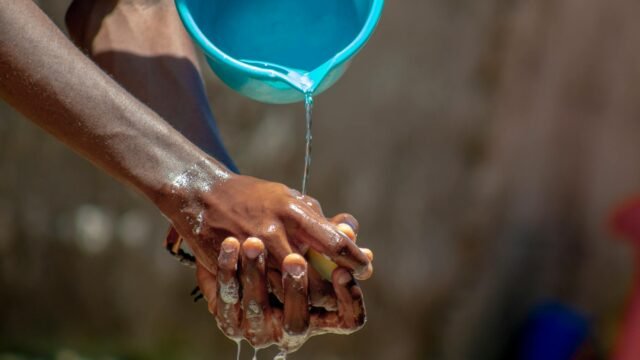
For Indian citizens who are currently residing in or travelling to these affected countries, the government advises strict adherence to public health guidance provided by local authorities. These precautions include maintaining heightened awareness of potential symptoms, practicing good hygiene, and seeking medical attention immediately if any signs of illness develop. (Agencies reported that these recommendations have been widely disseminated through various channels).
The situation is being closely monitored by international health organizations and national governments. Surveillance and response efforts are being intensified in neighboring countries to prevent further spread. The WHO is working with local authorities to strengthen healthcare systems, provide training to healthcare workers, and ensure access to essential medical supplies. Coordinated efforts are essential to effectively contain the outbreak and mitigate its impact on affected communities and beyond.
Containment measures include rapid detection and isolation of cases, contact tracing, and community engagement. Public awareness campaigns are being conducted to educate people about the disease, its transmission, and preventative measures. These campaigns aim to empower individuals to protect themselves and their families from infection. The international community is urged to support these efforts by providing financial and technical assistance to affected countries and international organizations.
The declaration of a Public Health Emergency of International Concern underscores the need for global solidarity and coordinated action. The Ebola outbreak poses a significant threat to public health, and concerted efforts are required to contain its spread and prevent further loss of life. The WHO and other international partners are committed to working with affected countries to bring the outbreak under control and protect vulnerable populations.
The focus remains on mitigating the impact of the outbreak and preventing its further spread. The travel advisory issued by the Indian government reflects a precautionary approach, prioritizing the safety and well-being of its citizens. As the situation evolves, updates and further guidance will be provided to ensure continued vigilance and effective response strategies.

Tahir Rihat (also known as Tahir Bilal) is an independent journalist, activist, and digital media professional from the Chenab Valley of Jammu and Kashmir, India. He is best known for his work as the Online Editor at The Chenab Times.



Leave a Reply