

In a significant international effort, nearly two dozen countries are actively working to bring home their citizens who were aboard a cruise ship that became the center of a hantavirus outbreak. The repatriation process is now in motion following the confirmed deaths of three passengers due to the virus, prompting widespread concern and coordinated health responses across continents.
The vessel, which has not been publicly named but has been the subject of intense health scrutiny, saw its passengers become subjects of global health monitoring. As the scale of the outbreak became apparent, diplomatic channels and health ministries in numerous nations initiated urgent discussions and logistical planning to ensure the safe return and subsequent medical care of their nationals. This complex undertaking involves coordinating flights, quarantine protocols, and medical assessments to prevent further spread of the virus and to provide necessary treatment to those affected.
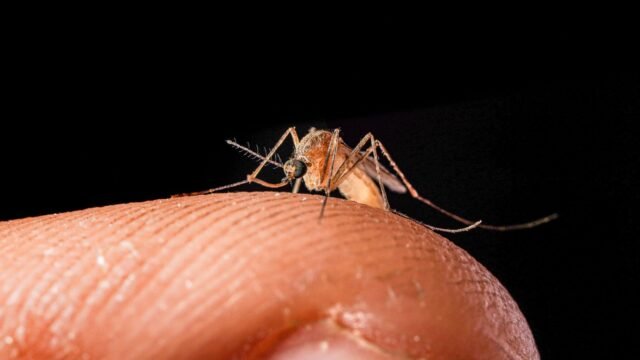
Information reaching Tahir Rihat suggests that the repatriation efforts are being managed with a high degree of sensitivity, given the nature of the hantavirus infection. While the virus is not typically transmitted between humans, it is carried by rodents and can be contracted by humans through contact with rodent droppings, urine, or saliva. Cruise ship environments, with their enclosed spaces and potential for rodent presence, can become vectors for such outbreaks if not meticulously managed. Health authorities worldwide are emphasizing the importance of rigorous screening and isolation measures for returning passengers to contain any potential secondary transmissions.
The immediate aftermath of the outbreak saw passengers facing uncertainty and concern as the ship became a focal point for epidemiological investigation. Health officials were tasked with identifying all individuals who may have been exposed, tracing their movements, and assessing their risk of developing symptoms. The decision to repatriate citizens reflects a global consensus on the need for individual nations to manage the health and safety of their populations, particularly in the face of transboundary health threats.
Each country involved is reportedly implementing its own set of protocols for the returning passengers. These often include mandatory health checks upon arrival, followed by a period of isolation in designated facilities. The aim is to monitor for any signs of hantavirus infection, which can have a severe and rapid onset, and to ensure that any infected individuals receive prompt and appropriate medical attention. The incubation period for hantavirus can vary, adding another layer of complexity to the monitoring process.
The incident underscores the vulnerabilities inherent in international travel and the critical importance of robust public health infrastructure capable of responding to emerging infectious disease threats. The swift and coordinated response from multiple nations, while challenging, highlights a growing recognition of the interconnectedness of global health security. As passengers begin their journeys home, the focus remains on ensuring their well-being and preventing any wider dissemination of the virus.
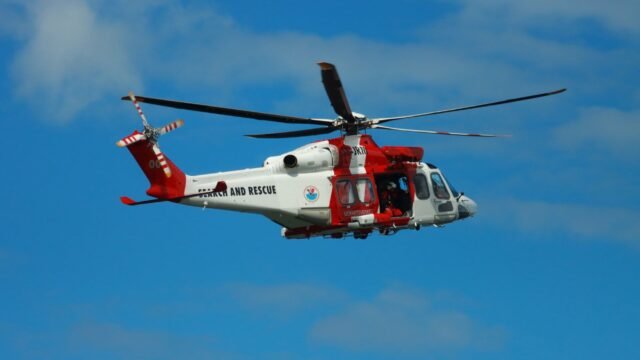
The logistical challenges of repatriating individuals from a cruise ship, especially under such health-related circumstances, are considerable. This includes arranging specialized medical transport for any passengers who may be symptomatic, as well as managing the diverse travel requirements and health regulations of each participating nation. The cruise line itself is cooperating with health authorities, providing passenger manifests and other relevant data to aid in the contact tracing and monitoring efforts. The long-term implications of such outbreaks on the cruise industry and international travel protocols are also likely to be a subject of ongoing discussion and review.
The hantavirus, while rare in many parts of the world, can cause severe respiratory illness, known as hantavirus pulmonary syndrome (HPS), which has a high mortality rate. Early symptoms can mimic influenza, including fever, muscle aches, and fatigue, but can quickly progress to difficulty breathing, coughing, and fluid in the lungs. Prompt medical intervention is crucial for survival. The global repatriation effort is therefore not just a logistical exercise but a critical public health operation aimed at safeguarding individuals and communities from a potentially deadly pathogen.
As the world watches, the successful management of this repatriation and the subsequent health monitoring of the passengers will serve as a crucial case study in international cooperation and preparedness for future health crises. The focus remains on the well-being of those affected and the collective effort to mitigate the impact of this hantavirus outbreak.

Tahir Rihat (also known as Tahir Bilal) is an independent journalist, activist, and digital media professional from the Chenab Valley of Jammu and Kashmir, India. He is best known for his work as the Online Editor at The Chenab Times.




Leave a Reply