
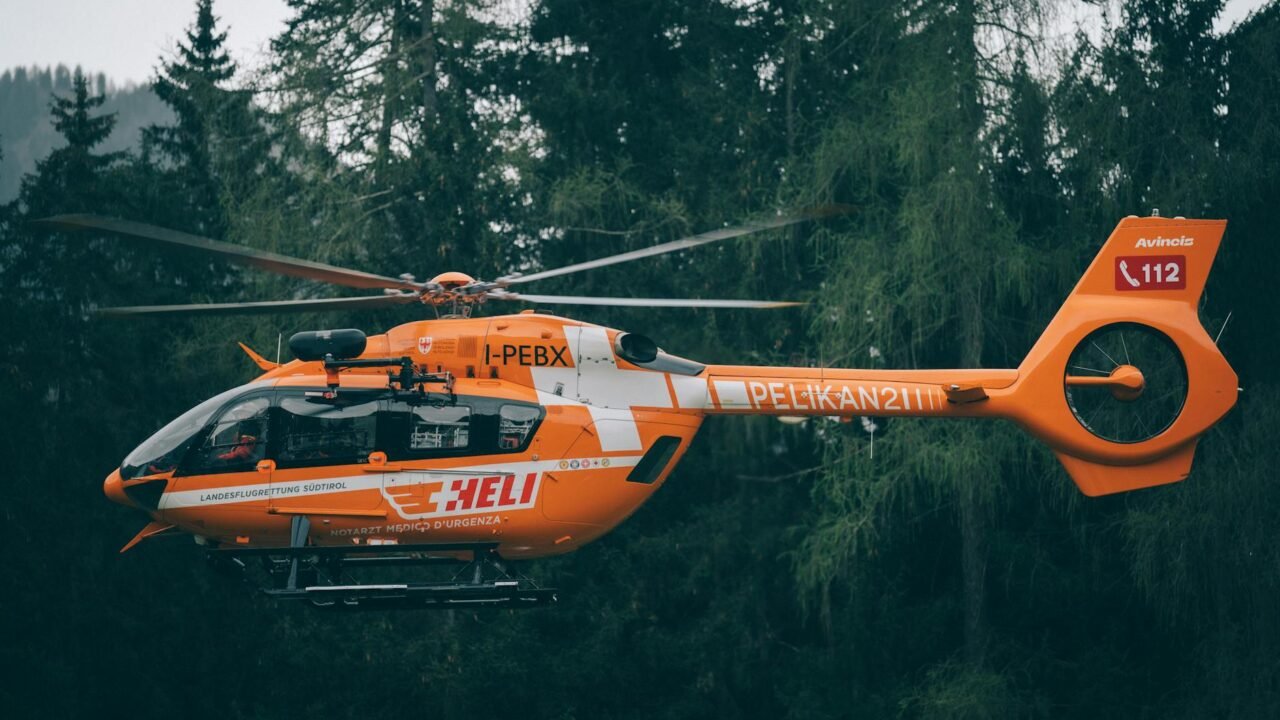
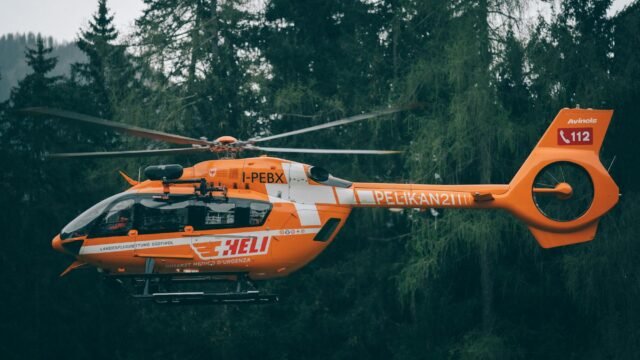
Following a technical malfunction involving a private helicopter in the higher altitudes of Gulmarg, a group of tourists found themselves stranded, prompting a rapid and coordinated rescue operation. The successful efforts of both the Army and Civil Administration have drawn commendation for their swift response in ensuring the safety of those affected. The incident highlights the challenges and potential risks associated with tourism in remote and mountainous regions, while also showcasing the effectiveness of emergency response protocols.
The rescue operation, which unfolded rapidly after the incident was reported, involved close collaboration between various agencies. Initial reports indicated that the helicopter experienced a technical issue that prevented it from returning to its base, leaving the tourists stranded in a precarious situation. The Army, with its specialized resources and expertise in navigating difficult terrain, deployed its personnel to the area, working in tandem with the Civil Administration to coordinate the rescue efforts. As per information available with TahirRihat.com, the efficient response was crucial in mitigating potential risks and ensuring the well-being of the stranded individuals.
Chief Minister Omar Abdullah has publicly expressed his gratitude for the coordinated actions of the Army and Civil Administration. The Chief Minister acknowledged the importance of such collaborative efforts in safeguarding tourists and maintaining high safety standards at all tourist destinations throughout Jammu and Kashmir. By emphasizing the need for preparedness and effective response mechanisms, the Chief Minister aimed to reassure visitors of the government’s commitment to their safety and security.
In the aftermath of the rescue operation, authorities are reviewing existing safety protocols to identify potential areas for improvement. This assessment will involve a comprehensive evaluation of emergency response procedures, communication networks, and resource allocation. The goal is to strengthen the overall framework for managing similar incidents in the future, ensuring that tourists can enjoy their visits to the region with minimal risk.
The incident has also prompted discussions regarding the regulation and maintenance of private helicopter services operating in the region. Concerns have been raised about the safety standards and oversight mechanisms governing these operations. Authorities are considering stricter regulations to ensure that all private helicopter services adhere to the highest levels of safety and undergo regular inspections to prevent technical malfunctions. This may include enhanced monitoring of flight operations, mandatory maintenance schedules, and stricter licensing requirements for pilots and operators. By addressing these concerns, officials hope to minimize the risk of future incidents and maintain public confidence in the safety of air travel in the region.
The successful rescue operation in Gulmarg underscores the importance of investing in robust emergency response infrastructure and training. With tourism playing a vital role in the economy of Jammu and Kashmir, it is essential to prioritize the safety and well-being of visitors. This requires a multi-faceted approach that includes proactive measures to prevent incidents, as well as effective response mechanisms to address them when they occur. Key components of this approach include well-equipped rescue teams, advanced communication systems, and clear protocols for coordinating efforts between different agencies. By continuously improving these capabilities, the region can enhance its reputation as a safe and welcoming destination for tourists from around the world.
Looking ahead, authorities are focused on implementing measures to prevent similar incidents from occurring in the future. This includes investing in advanced weather monitoring systems to provide early warnings of potential hazards, as well as improving infrastructure to facilitate rapid response efforts in remote areas. Additionally, efforts are underway to educate tourists about safety precautions and potential risks associated with visiting mountainous regions. By empowering visitors with the knowledge and tools they need to stay safe, authorities hope to create a culture of safety that permeates all aspects of tourism in Jammu and Kashmir.
The incident serves as a reminder of the inherent risks associated with adventure tourism and the importance of preparedness. While the region offers breathtaking landscapes and unique experiences, it is essential for visitors to be aware of potential hazards and take appropriate precautions. This includes checking weather conditions before embarking on any journey, carrying essential supplies, and informing local authorities of their travel plans. By exercising caution and respecting the environment, tourists can help ensure their own safety and contribute to the sustainability of the region’s tourism industry.
The administration has been directed to implement necessary measures to reinforce existing safety protocols, aiming to provide a secure and worry-free experience for tourists exploring the region. The government is committed to protecting tourists and upholding stringent safety regulations across all travel destinations within Jammu and Kashmir. The recent event prompted a comprehensive review of safety measures, leading to the implementation of enhanced emergency response protocols and improved coordination among various agencies.
This incident highlights the importance of continuous vigilance and proactive safety measures in the tourism sector. Jammu and Kashmir’s administration is dedicated to maintaining high safety standards, ensuring that tourists can enjoy the region’s natural beauty with confidence. The commitment to safety involves not only immediate response capabilities but also long-term investments in infrastructure and training to prevent such incidents from occurring.

Tahir Rihat (also known as Tahir Bilal) is an independent journalist, activist, and digital media professional from the Chenab Valley of Jammu and Kashmir, India. He is best known for his work as the Online Editor at The Chenab Times.
Leave a Reply