
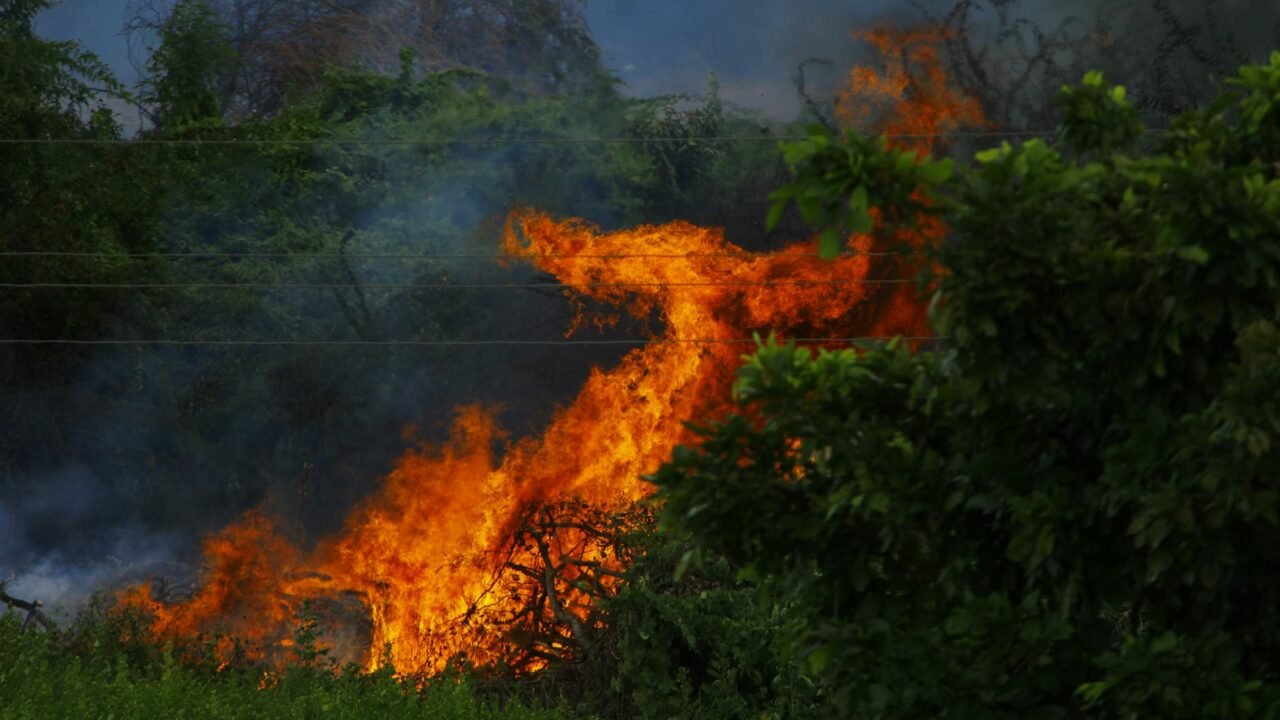
In response to the escalating heatwave conditions across India, the Directorate General of Health Services (DGHS), operating under the Union health ministry, has released a detailed advisory focused on mitigating heat stress and related illnesses. Working in conjunction with the Ministry of Ayush, the DGHS aims to equip the public with strategies that incorporate both conventional and traditional approaches to manage extreme temperatures.
The advisory provides specific recommendations for various groups, including the general public, vulnerable populations, employers, and those participating in large gatherings or sporting events. Key elements emphasize staying hydrated, limiting direct sunlight exposure during peak hours, wearing light, breathable clothing, and consuming seasonal fruits and electrolyte-rich drinks. Information reaching TahirRihat.com suggests that the comprehensive guide aims to reduce the impact of heat on public health, particularly for those most at risk.
The guidelines also highlight the vulnerability of certain populations during heatwaves, including infants, children, pregnant women, the elderly, outdoor workers, and individuals with chronic conditions like heart disease and hypertension. Focused care and continuous monitoring are advised for these groups to prevent severe health consequences. (The DGHS advisory stated that special precautions should be observed in workplaces and at public events).
The DGHS has outlined specific measures for workplaces and outdoor activities, including the provision of shaded rest areas, regular breaks for rehydration, acclimatization strategies for workers, and awareness campaigns to educate people about the symptoms of heat stress. Citizens are urged to recognize the signs of heat-related illnesses, such as dizziness, headaches, nausea, altered mental state, elevated body temperature, dehydration, convulsions, and loss of consciousness.
Heatstroke is classified as a medical emergency in the DGHS advisory, mandating immediate medical intervention. Furthermore, the Directorate General of Health Services advocates prompt utilization of emergency helplines 108 or 102 in critical situations. These measures are designed to ensure rapid response and treatment for those affected by severe heat-related conditions.
The advisory integrates traditional wellness practices from the various AYUSH systems to help individuals combat the effects of heatwaves. The Ayurveda section emphasizes cooling dietary adjustments, recommending hydrating beverages such as buttermilk, coconut water, and lemon-based drinks. Traditional preparations such as Nimbu Phala Panaka, Amra Prapanaka, and Chincha Panaka are also suggested to help maintain body temperature during intense heat. The Siddha and Yoga sections promote cooling refreshments and breathing exercises like Sheetali Pranayama, along with light yoga routines, to alleviate heat stress.
The Unani system advises using herbal applications to prevent sunburn and dehydration, while the homoeopathy section suggests being cautious during the hottest parts of the day. Additionally, the DGHS advisory encourages individuals to consume hydrating and cooling foods like cucumber, watermelon, lime, musk melon, ash gourd, and tomatoes during the summer months. The advisory also calls on citizens to stay informed about weather updates from the India Meteorological Department and to take necessary precautions when heatwave alerts are issued.
The comprehensive approach outlined in the DGHS advisory reflects a multi-faceted strategy for mitigating the health risks associated with rising temperatures. By combining conventional medical advice with traditional wellness practices, the advisory aims to empower individuals and communities to proactively protect themselves during heatwave conditions. The recommendations support long-term health and well-being, emphasizing hydration, dietary adjustments, and lifestyle modifications that can help manage the impact of extreme heat. Further measures from employers and event organizers are recommended to protect workers and attendees from heat-related illnesses through shaded rest areas and acclimatization strategies.
The advisory serves as a crucial resource for navigating the challenges presented by heatwaves, providing actionable guidance for individuals, workplaces, and public gatherings to minimize the risk of heat stress and related health issues.

Tahir Rihat (also known as Tahir Bilal) is an independent journalist, activist, and digital media professional from the Chenab Valley of Jammu and Kashmir, India. He is best known for his work as the Online Editor at The Chenab Times.






Leave a Reply