
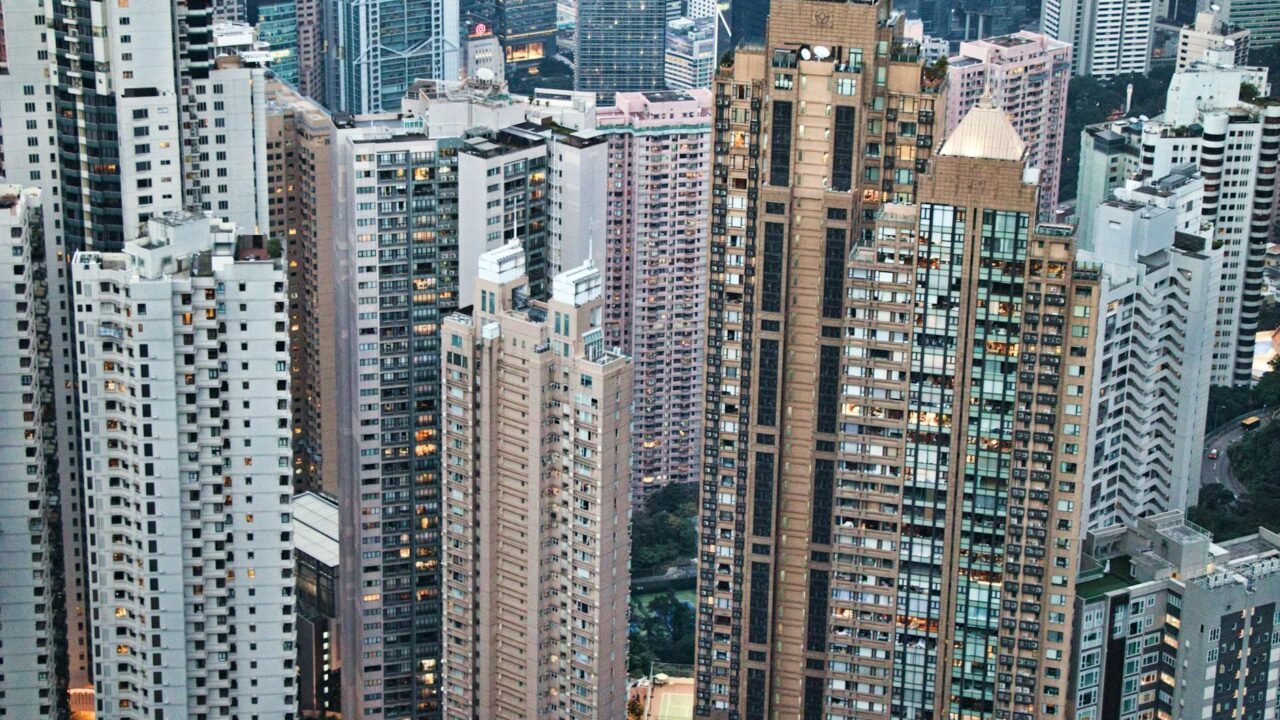
An extensive inquiry into a devastating apartment fire in Hong Kong that claimed the lives of 168 people has brought to light a confluence of critical failures, including disabled alarms, the widespread use of flammable materials, and a pattern of ignored warnings. The hearings have meticulously pieced together the events leading up to the tragedy, revealing systemic issues within the building’s safety protocols and maintenance.
Evidence presented during the inquiry, as reported by The New York Times, indicates that crucial fire alarms within the residential complex were not functioning. This malfunction meant that residents were not alerted to the escalating danger in the initial stages of the fire, a delay that proved fatal. The lack of a timely warning system severely hampered any possibility of a swift evacuation, leaving many trapped in their homes as the blaze spread rapidly.
Furthermore, the investigation has focused on the presence of highly flammable materials within the building. These substances, often used in renovations or for decorative purposes, significantly contributed to the fire’s intensity and its rapid progression through the structure. Information reaching Tahir Rihat suggests that the materials were not only present in common areas but also within individual apartments, creating a highly combustible environment. The inquiry is examining how these materials were permitted and whether building codes or regulations were circumvented.
A recurring theme in the testimony and evidence presented is the issue of ignored warnings. It appears that concerns regarding the building’s safety, including the state of its fire prevention systems and the accumulation of combustible items, had been raised prior to the incident. However, these warnings, whether from residents, maintenance staff, or even previous inspections, did not result in the necessary corrective actions. The inquiry is scrutinizing the chain of responsibility and decision-making processes that led to these vital alerts being disregarded.
The hearings have sought to establish a clear timeline of the fire’s origin and its devastating spread. Experts have testified about the fire’s behavior, influenced by the building’s layout, ventilation, and the nature of the materials involved. The sheer scale of the loss of life underscores the catastrophic consequences of these combined failures. The inquiry’s aim is not only to assign accountability but also to recommend sweeping changes to prevent similar tragedies in the future.
The investigation is delving into the building’s management and ownership, seeking to understand their role in maintaining safety standards. Questions are being raised about the frequency and thoroughness of inspections, the enforcement of fire safety regulations, and the allocation of resources for building maintenance and upgrades. The testimonies have painted a grim picture of a building where safety appears to have been a secondary concern, overshadowed by other priorities.
Witnesses have described harrowing experiences, recounting their desperate attempts to escape the inferno and the chaos that ensued. The emotional toll on survivors and the families of victims is immense, and the inquiry serves as a crucial step in seeking justice and understanding for their loss. The detailed examination of evidence, including forensic reports and eyewitness accounts, is critical to ensuring that the full scope of the disaster’s causes is understood.
The inquiry is also exploring the broader implications for building safety regulations across Hong Kong. The findings are expected to lead to a review and potential overhaul of existing laws and enforcement mechanisms. The goal is to create a more robust framework that prioritizes resident safety and ensures that buildings are equipped to withstand and respond to fire emergencies effectively. The disabled alarms and flammable materials are now central to discussions about mandatory safety upgrades and stricter oversight.
The testimony has highlighted the critical importance of functioning fire detection and suppression systems. The failure of these systems in the Hong Kong fire meant that the building’s occupants were left vulnerable. The inquiry is examining the maintenance records of these systems, the procedures for testing them, and the protocols for addressing any reported malfunctions. The use of flammable materials is also under intense scrutiny, with experts discussing the types of materials that pose the greatest risk and the regulations governing their use in residential buildings.
The ignored warnings aspect of the investigation is particularly concerning. It suggests a potential breakdown in communication or a lack of responsiveness from those in authority. The inquiry is attempting to trace the path of these warnings, identify who received them, and understand why no action was taken. This element is crucial for understanding how such a preventable disaster could occur. The meticulous presentation of evidence at the hearings aims to leave no stone unturned in the pursuit of truth and accountability for the 168 lives lost.

Tahir Rihat (also known as Tahir Bilal) is an independent journalist, activist, and digital media professional from the Chenab Valley of Jammu and Kashmir, India. He is best known for his work as the Online Editor at The Chenab Times.


Leave a Reply