
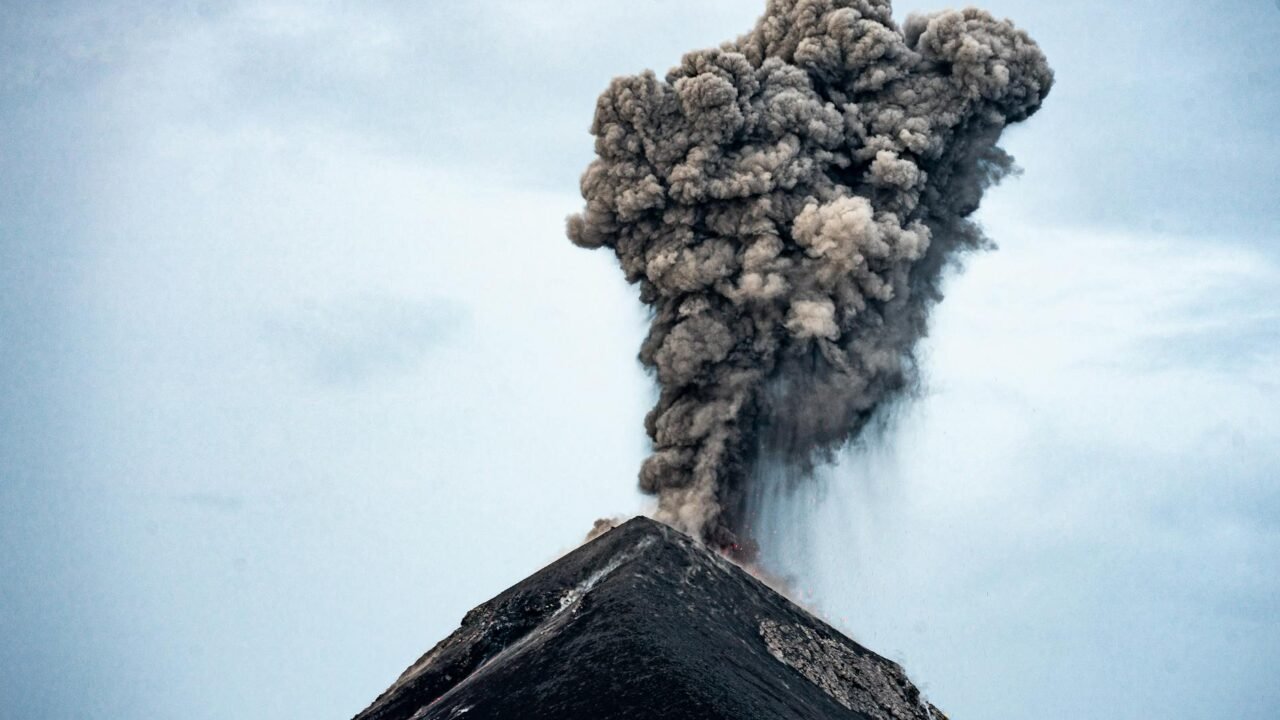
Mount Dukono, a persistently active volcano in Indonesia, erupted on Friday morning, resulting in the deaths of at least three hikers and leaving several others unaccounted for. Indonesian authorities confirmed the fatalities following the sudden and violent eruption.
Rescue and emergency personnel have been mobilized and are currently engaged in efforts to evacuate climbers who may still be in the vicinity of the volcano. The exact number of individuals missing is still being determined as initial reports emerge from the remote region. The unpredictable nature of volcanic activity in Indonesia, an archipelago situated on the Pacific Ring of Fire, often poses significant risks to local populations and adventurous tourists alike.
Information reaching Tahir Rihat suggests that the eruption occurred without significant prior warning, catching many by surprise. Mount Dukono, located on Halmahera Island in North Maluku province, is known for its frequent, albeit usually minor, eruptions. However, Friday’s event appears to have been of a more substantial magnitude, spewing ash and volcanic debris into the air.
The immediate priority for emergency responders is to locate and assist any individuals who may have been caught in the eruption’s path. The challenging terrain surrounding the volcano, coupled with the ongoing volcanic activity, complicates rescue operations. Authorities are urging caution and advising against any travel to the immediate vicinity of Mount Dukono until the situation is deemed safe. Further details regarding the identities of the deceased and the circumstances of their exposure to the eruption are expected to be released as investigations progress.
Indonesia is home to over 130 active volcanoes, making it one of the most volcanically active regions in the world. The country’s geological setting, characterized by the convergence of several tectonic plates, contributes to this high level of seismic and volcanic activity. While many of these volcanoes are closely monitored, sudden and powerful eruptions can still occur, posing a constant threat to communities living in their shadow. The Indonesian National Board for Disaster Management (BNPB) regularly issues warnings and guidelines for residents and visitors in areas prone to volcanic hazards.
The incident serves as a stark reminder of the inherent dangers associated with exploring active volcanic landscapes. Hikers and climbers are often advised to check the latest volcanic activity reports and heed all safety advisories issued by local authorities. The response to this tragedy will likely involve a coordinated effort between various government agencies, including geological survey teams, disaster management units, and local law enforcement, to ensure the safety of the public and to provide assistance to those affected by the eruption.
The specific details of the eruption, including the volume of ash ejected and the potential for further activity, are being assessed by volcanologists. Understanding the dynamics of this particular eruption will be crucial in determining the ongoing risks and informing future safety protocols. The recovery and search efforts are expected to be extensive, given the remote location and the potentially hazardous conditions on the ground. The international community often provides support in such disaster situations, though no specific requests for aid have been made at this early stage.
The impact of volcanic eruptions can extend beyond immediate casualties, affecting air travel due to ash clouds and causing long-term environmental changes. The ash from Mount Dukono’s eruption is being monitored for its potential dispersal patterns and impact on air quality in surrounding areas. The resilience of Indonesian communities in the face of natural disasters is well-documented, but each event presents unique challenges and demands a swift and effective response from all stakeholders involved.

Tahir Rihat (also known as Tahir Bilal) is an independent journalist, activist, and digital media professional from the Chenab Valley of Jammu and Kashmir, India. He is best known for his work as the Online Editor at The Chenab Times.

Leave a Reply