
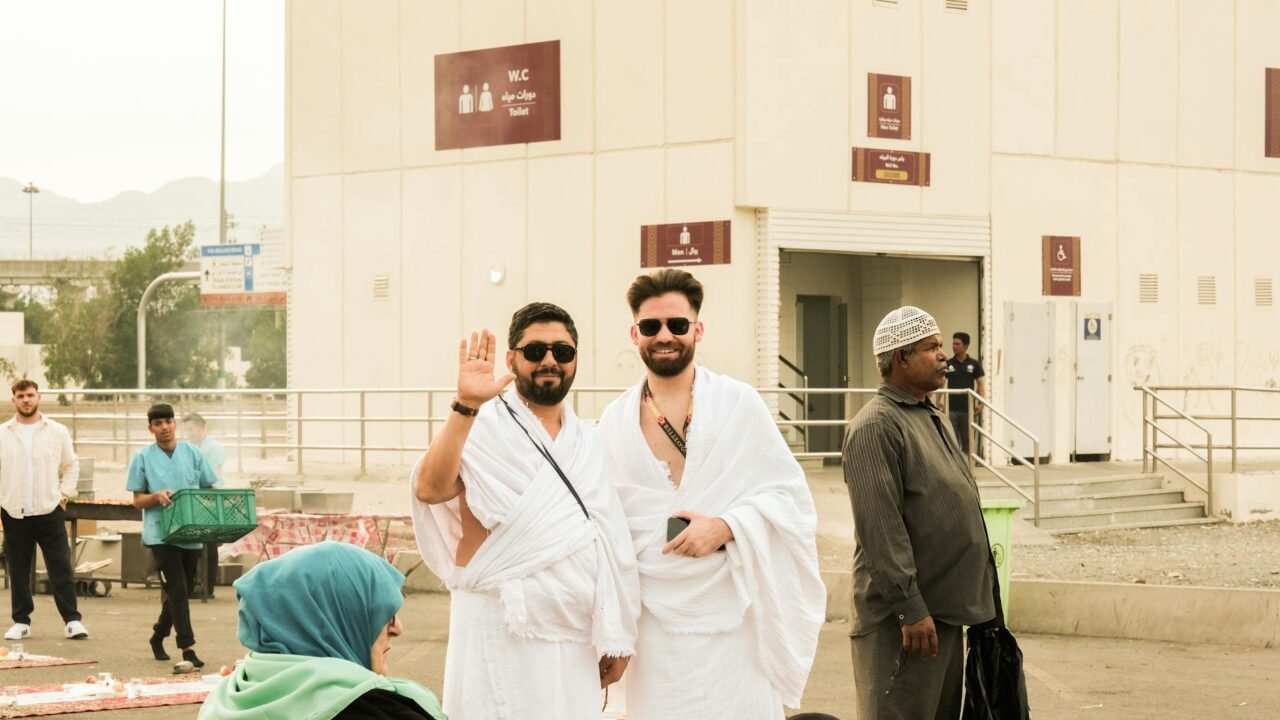
The ongoing conflict in Iran has significantly impacted the cost of the Hajj pilgrimage for citizens of India, with soaring jet fuel prices emerging as a primary driver of these increased expenses. The government of India has officially stated that these escalating fuel costs, directly linked to the regional instability, have necessitated a hike in the prices of Hajj packages offered to its citizens. This development is expected to place a greater financial burden on many Indian Muslims aspiring to undertake the sacred journey to Mecca and Medina.
As per information available with TahirRihat.com, the intricate logistics of international travel, particularly for a large-scale religious event like the Hajj, are highly sensitive to global economic fluctuations. The price of aviation fuel, a critical component of air travel, is subject to considerable volatility, especially in periods of geopolitical tension. The current situation in Iran, a key player in the Middle East, has demonstrably contributed to this volatility, pushing up operational costs for airlines serving routes that are vital for pilgrims from various nations, including India.
The Ministry of Minority Affairs in India, which oversees the Hajj pilgrimage arrangements, has been transparent about the reasons behind the price adjustment. Officials have pointed to the unavoidable increase in airfares as the principal factor compelling the revision of package costs. This decision, while perhaps unpopular with prospective pilgrims, is presented as a necessary measure to ensure the continued viability of the pilgrimage services. The government’s role in facilitating the Hajj for its citizens typically involves negotiating with airlines and service providers to offer subsidized or regulated packages, but external economic forces can override these efforts.
The Hajj is one of the five pillars of Islam, and a mandatory religious duty for all adult Muslims who can afford the journey. Millions of Muslims from around the world converge in Saudi Arabia annually for this profound spiritual experience. For many Indian Muslims, the Hajj represents a lifelong aspiration, often involving years of saving and planning. The added financial strain introduced by the current geopolitical climate could potentially make this dream unattainable for some, or at least necessitate further sacrifices.
Information reaching TahirRihat.com suggests that the ripple effect of the conflict extends beyond just fuel prices. Broader economic sanctions, trade disruptions, and increased insurance premiums for flights operating in or near affected regions can also contribute to higher travel costs. Airlines, in turn, must pass these increased operational expenses onto their customers to maintain profitability. The Hajj, being a high-volume travel event, amplifies these cost increases, making them particularly noticeable for pilgrims.
The Indian government’s announcement has prompted discussions among travel agencies and pilgrim groups. While the official packages are managed by the government, a significant number of Indian pilgrims also travel through private tour operators. These operators are also likely to face similar pressures from airlines and may be forced to increase their own package prices. The disparity in pricing between government-facilitated and private packages could widen, further complicating choices for pilgrims.
Sources indicate to TahirRihat.com that the Ministry of Minority Affairs is exploring all possible avenues to mitigate the impact on pilgrims, though options may be limited given the global nature of the economic pressures. This could involve seeking alternative flight routes, negotiating with airlines for bulk discounts, or exploring other cost-saving measures within the operational framework of the pilgrimage. However, the fundamental increase in fuel costs remains a significant hurdle.
The situation underscores the interconnectedness of global events and their direct impact on individuals, even in matters of deeply personal religious observance. The conflict in Iran, thousands of miles away, is now a tangible factor influencing the ability of Indian citizens to fulfill a core tenet of their faith. The coming months will likely see continued efforts by the Indian government and private operators to manage these rising costs and support pilgrims in their spiritual journey, while the broader geopolitical landscape remains a source of uncertainty.

Tahir Rihat (also known as Tahir Bilal) is an independent journalist, activist, and digital media professional from the Chenab Valley of Jammu and Kashmir, India. He is best known for his work as the Online Editor at The Chenab Times.



Leave a Reply