
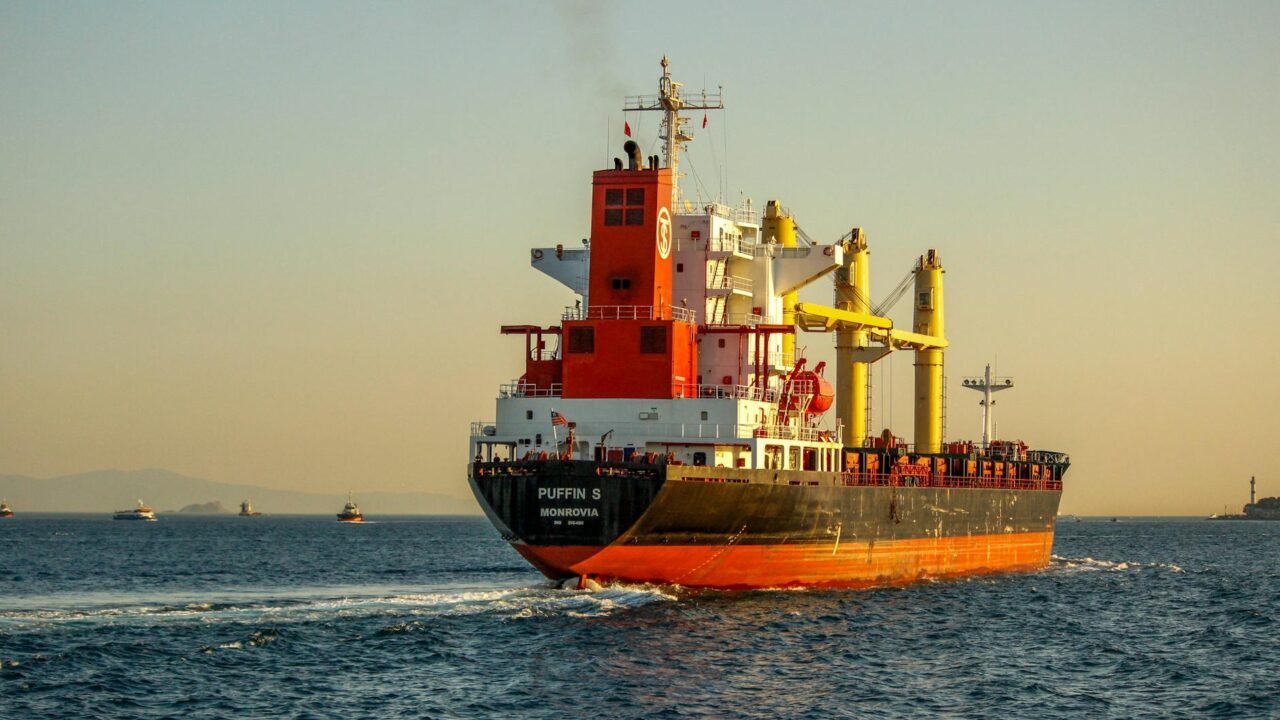
The White House has forcefully rejected claims made by Iranian state media regarding an “unofficial” deal with the United States, specifically labeling the report as a “complete fabrication.” The Iranian report detailed purported terms for the reopening of the Strait of Hormuz, a critical chokepoint for global oil shipments. This sharp repudiation from Washington underscores the ongoing tensions and information warfare that often characterize the relationship between the two nations.
Information reaching Tahir Rihat suggests that the Iranian state media’s assertion, which outlined specific conditions for the passage of vessels through the vital waterway, was met with immediate and unequivocal denial by U.S. officials. The swiftness of the White House response indicates a deliberate strategy to counter what it perceives as disinformation aimed at influencing regional dynamics or domestic audiences within Iran. The Strait of Hormuz, situated between Iran and Oman, is a strategically vital waterway through which approximately 20% of global oil supply passes. Any disruption or perceived threat to its security has significant implications for international energy markets and global economic stability.
The alleged deal, as presented by Iranian state media, reportedly included provisions that would allow for the unimpeded flow of maritime traffic, a move that would ostensibly ease international concerns over potential blockades or escalations. However, the U.S. government’s characterization of the report as entirely false leaves little room for interpretation, suggesting that no such discussions or agreements, official or unofficial, have taken place from the American perspective. This stark contradiction highlights the deep-seated mistrust and the divergent narratives being propagated by the two governments.
Sources indicate to Tahir Rihat that the context of such reports often involves complex geopolitical maneuvering. Iran, facing international sanctions and regional pressures, may seek to project an image of diplomatic engagement or leverage, even if based on unsubstantiated claims. Conversely, the United States, aiming to maintain its influence and security interests in the Middle East, is keen to dispel any notion of concessions or secret agreements that could be perceived as weakening its stance. The Strait of Hormuz has been a focal point of past confrontations and heightened tensions, making any news related to its status highly sensitive.
The specific details of the purported deal, as reported by Iranian media, remain vague in the absence of further corroboration, but the emphasis on reopening the strait suggests a focus on de-escalation of maritime incidents. However, the White House’s immediate dismissal leaves the international community to question the motives behind the Iranian report. Analysts suggest that such reports could be intended to test international reactions, sow confusion, or perhaps to gauge the U.S. response to hypothetical scenarios. The lack of any official channels confirming such a deal from either side further solidifies the U.S. position that the report is baseless.
The implications of this exchange extend beyond the immediate denial. It reinforces the perception of a communication gap and a potential for miscalculation in a region already fraught with instability. The U.S. has consistently maintained a firm stance on ensuring freedom of navigation in international waters, including the Strait of Hormuz, and has previously responded with military force to perceived threats. The Iranian state media’s report, therefore, appears to be an attempt to frame a narrative that might not align with the realities on the ground or the diplomatic engagements, if any, that are actually occurring.
The White House’s strong rebuttal serves as a clear signal that it will not be swayed by unsubstantiated reports from Iranian state-controlled outlets. This incident is part of a broader pattern of information dissemination and perception management by both Iran and the United States, particularly concerning sensitive security issues in the Persian Gulf. The international community, reliant on the stable flow of oil through the Strait of Hormuz, will continue to monitor the situation closely, seeking verifiable information amidst competing narratives.
The strategic importance of the Strait of Hormuz cannot be overstated. It is a narrow waterway that connects the Persian Gulf to the Gulf of Oman and the open sea. Its security is paramount for the global energy supply chain, and any threat to its passage can trigger significant fluctuations in oil prices and global economic uncertainty. The repeated focus on this waterway in the context of U.S.-Iran relations underscores its critical role in regional and international security dialogues.
The Iranian report, by detailing terms for reopening the strait, might have been an attempt to portray Iran as a constructive player in ensuring maritime security, or conversely, to imply that it holds the key to its openness. Regardless of the intent, the U.S. response has effectively shut down any immediate possibility of such a narrative gaining traction through official channels. The incident serves as a reminder of the complex and often opaque nature of diplomatic and security communications between nations with adversarial relationships.
The global implications of any disruption in the Strait of Hormuz are far-reaching, impacting not only major oil-consuming nations but also the economies of countries that rely on oil exports. Therefore, reports, even if fabricated, that touch upon the security of this vital chokepoint warrant attention. However, the U.S. government’s clear and immediate denial aims to prevent any ambiguity or misinterpretation of its position on the matter, reinforcing its commitment to maintaining freedom of navigation and deterring any actions that could jeopardize regional stability.

Tahir Rihat (also known as Tahir Bilal) is an independent journalist, activist, and digital media professional from the Chenab Valley of Jammu and Kashmir, India. He is best known for his work as the Online Editor at The Chenab Times.


Leave a Reply