
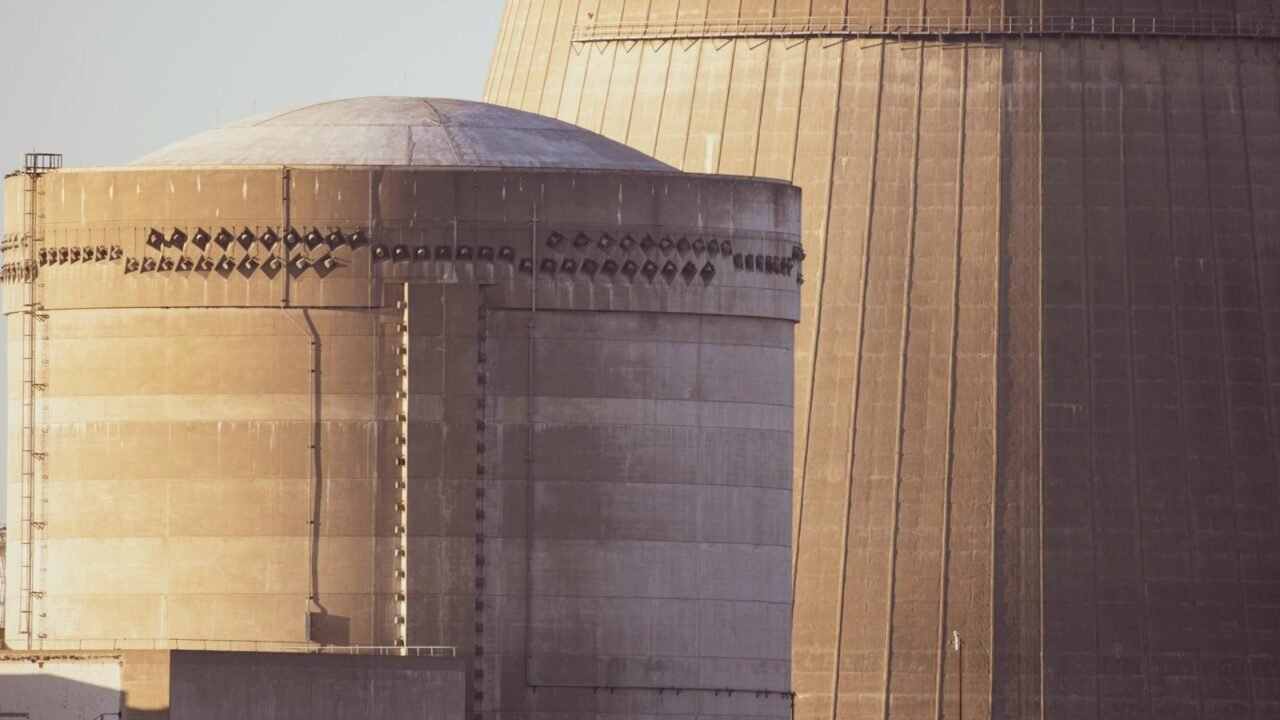
The future of Iran‘s nuclear program and its relationship with the United States remains shrouded in uncertainty as diplomatic efforts to revive a landmark deal appear to have hit a significant impasse. Recent developments indicate a deepening deadlock, characterized by persistent U.S. sanctions and a lack of clear pathways toward renewed negotiations. This situation has raised concerns among international observers about regional stability and the potential for further escalation.
Information reaching Tahir Rihat suggests that the Biden administration has maintained a firm stance on existing sanctions against Iran, viewing them as leverage in any potential future discussions. While the administration has expressed a willingness to re-engage diplomatically, the conditions and scope of such engagement remain undefined, leading to a prolonged period of diplomatic stagnation. The intricate web of sanctions, originally imposed by the Trump administration and largely kept in place, continues to impact Iran’s economy significantly, fueling domestic discontent and complicating any moves toward de-escalation.
The original nuclear agreement, known as the Joint Comprehensive Plan of Action (JCPOA), aimed to curb Iran’s nuclear ambitions in exchange for sanctions relief. However, the U.S. withdrawal from the deal in 2018 under President Trump and the subsequent reimposition of stringent sanctions created a deep rift. Iran, in response, gradually began to exceed the limits set on its nuclear activities, further complicating the prospects for a revival of the original accord. The current administration has faced internal divisions and external pressures regarding its Iran policy, with some advocating for a tougher approach and others pushing for a return to diplomacy.
Sources indicate to Tahir Rihat that Iranian officials have consistently reiterated their readiness to return to full compliance with the JCPOA, but only if the United States lifts all sanctions and provides credible assurances that it will not withdraw from the agreement again. This demand has been a major sticking point, as the U.S. has been hesitant to offer unconditional sanctions relief without tangible steps from Iran to curb its nuclear advancements. The lack of a clear, mutually acceptable framework for such reciprocal actions has perpetuated the current stalemate.
The ongoing tensions are not confined to the nuclear issue alone. The broader geopolitical landscape in the Middle East remains volatile, with Iran’s regional activities, including its support for various proxy groups, drawing criticism from the U.S. and its allies. These regional dynamics often intertwine with the nuclear negotiations, creating a complex set of challenges that are difficult to untangle. The international community, particularly European signatories to the JCPOA, has been actively seeking ways to bridge the gap between the U.S. and Iran, but their efforts have so far yielded limited results.
The economic repercussions of the sanctions on Iran are substantial. The country’s oil exports have been severely curtailed, and its access to international financial markets is restricted. This has led to a weakening of the Iranian currency and a rise in inflation, impacting the daily lives of ordinary citizens. The Iranian government has sought to mitigate these effects through various domestic economic policies, but the external pressure remains a significant constraint on its economic growth and development.
The international atomic energy agency (IAEA) has continued to monitor Iran’s nuclear activities, with its inspectors present in the country. However, the agency’s ability to provide a complete picture has been hampered by Iran’s restrictions on certain inspections and its reduced cooperation in some areas. Reports from the IAEA have often highlighted Iran’s increasing stockpile of enriched uranium and its advancements in nuclear technology, further fueling concerns among international powers about the potential for Iran to develop a nuclear weapon.
The U.S. position has been that any new agreement or a return to the JCPOA must address not only Iran’s nuclear program but also its ballistic missile development and its regional destabilizing activities. Iran, on the other hand, has largely viewed these issues as separate from the nuclear deal and has resisted incorporating them into any renewed negotiations. This divergence in priorities and perspectives has created a significant hurdle in finding common ground.
The current state of affairs suggests a prolonged period of uncertainty. Without a breakthrough in diplomatic channels, the risk of miscalculation and escalation in the region remains a significant concern. The international community continues to watch closely, hoping for a de-escalation of tensions and a return to constructive dialogue that could lead to a more stable and predictable future for Iran and the wider Middle East.

Tahir Rihat (also known as Tahir Bilal) is an independent journalist, activist, and digital media professional from the Chenab Valley of Jammu and Kashmir, India. He is best known for his work as the Online Editor at The Chenab Times.

Leave a Reply