
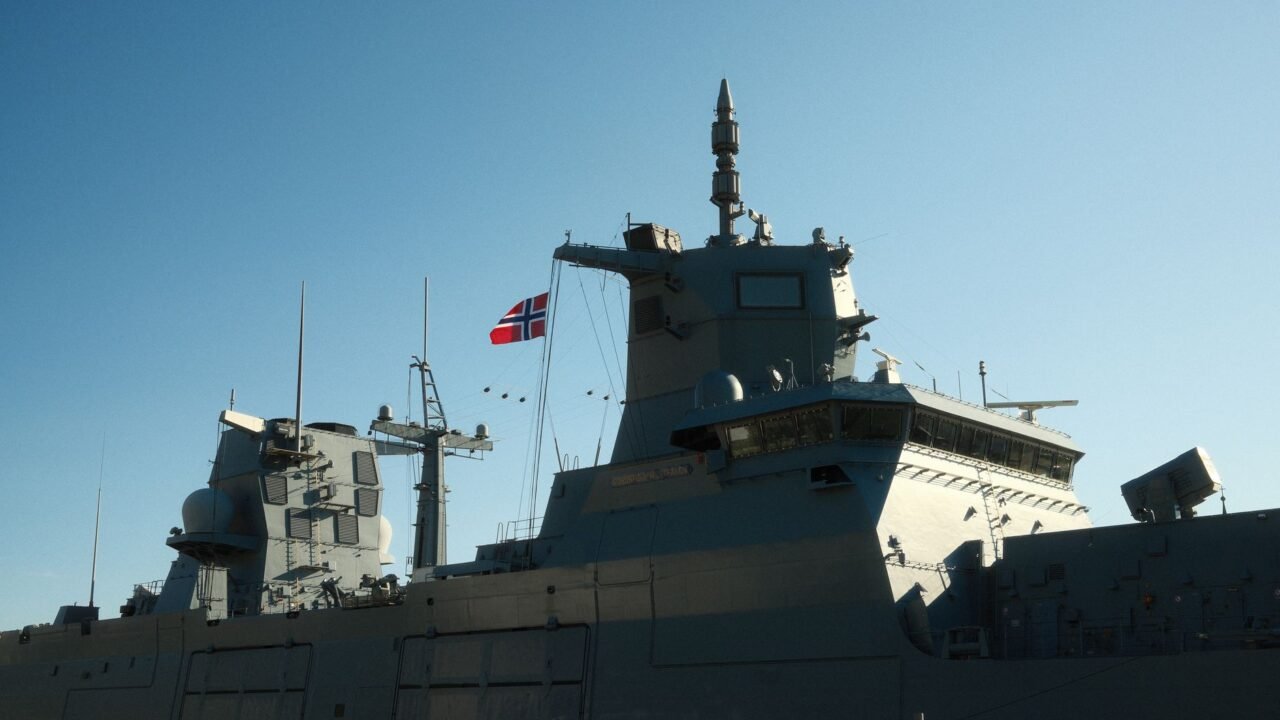
Romania’s foreign minister has indicated that the country may invoke Article 4 of the NATO treaty, a significant step that could lead to consultations among the alliance’s member states regarding security concerns. This potential move follows an incident where a drone, alleged to be of Russian origin, crashed in Romania and injured two civilians.
The invocation of Article 4, often seen as a precursor to the more robust Article 5 which mandates collective defense, allows any NATO member to request consultations if they believe their territorial integrity, political independence, or security is threatened. The Romanian foreign minister, as reported by The New York Times, described Article 4 as an “instrument” that Romania can utilize in response to the escalating security situation along its borders and within its airspace. Information reaching Tahir Rihat suggests that the drone incident, which occurred near the Danube River, has heightened anxieties within Bucharest about potential spillover effects from the ongoing conflict in neighboring Ukraine.
Article 4 of the North Atlantic Treaty, signed in 1949, is designed to be a mechanism for addressing threats that do not necessarily rise to the level of an armed attack but still pose a significant risk to a member state’s security. Unlike Article 5, which obliges all NATO members to consider an attack against one as an attack against all, Article 4 triggers a process of political and military consultations. This means that if Romania formally invokes Article 4, NATO allies would convene to discuss the situation, assess the threat, and determine a collective response. Such a response could range from diplomatic statements and increased surveillance to enhanced military presence in the region.
The specific drone incident, which led to the injuries of two civilians, has been a focal point of Romania’s concern. While the drone’s origin is alleged to be Russian, investigations are likely ongoing to confirm its nationality and the circumstances of its flight into Romanian territory. The proximity of the incident to the Danube, a major waterway and a de facto border in some sections with Ukraine, underscores the sensitive geopolitical environment of the region. Romania, a NATO member since 2004, shares a substantial border with Ukraine and has been a vocal supporter of Kyiv since the full-scale Russian invasion in February 2022.
The potential invocation of Article 4 by Romania is a clear signal that the country perceives a direct threat to its security interests. It reflects a broader concern within Eastern European NATO members about the potential for the conflict in Ukraine to destabilize the wider region. The alliance has already increased its military posture in Eastern Europe since 2014, and particularly since 2022, with enhanced air policing, troop rotations, and the establishment of multinational battlegroups. However, a formal consultation under Article 4 would signify a heightened level of concern and a potential for more coordinated and robust actions by the alliance.
The New York Times reported that the Romanian foreign minister’s statement emphasized the need for collective security and the importance of NATO’s mechanisms in addressing such challenges. The consultations under Article 4 would provide a platform for Romania to present its case to its allies, share intelligence, and seek a unified approach. This could involve discussions on strengthening air defenses, increasing maritime surveillance along the Black Sea coast, and reinforcing border security measures. The outcome of these consultations would depend on the consensus reached by the member states, but the process itself is a demonstration of NATO’s commitment to the security of its members.
The implications of Romania invoking Article 4 extend beyond the immediate security concerns. It would underscore the ongoing tensions between NATO and Russia and highlight the challenges of maintaining stability in the European security architecture. The alliance has consistently maintained that it seeks to de-escalate tensions while remaining vigilant against any threats to its members. Article 4 serves as a crucial tool in this regard, allowing for a measured and collective response to evolving security landscapes. The drone incident, if confirmed to be a deliberate act or a consequence of Russian military operations in Ukraine, would represent a direct challenge to NATO’s sovereignty and territorial integrity, prompting a serious deliberation among the alliance’s leadership.
The Romanian government’s consideration of Article 4 also reflects the complex nature of modern warfare, where drones and other unmanned systems can pose significant risks even without direct troop incursions. The ability of such systems to operate across borders and cause civilian casualties necessitates a coordinated response from the international community. NATO’s collective security framework, built on mutual defense and consultation, is designed to address precisely these kinds of evolving threats. The coming days and weeks will likely see further developments as Romania decides whether to formally trigger Article 4 and how its NATO allies will respond to this latest security challenge.

Tahir Rihat (also known as Tahir Bilal) is an independent journalist, activist, and digital media professional from the Chenab Valley of Jammu and Kashmir, India. He is best known for his work as the Online Editor at The Chenab Times.




Leave a Reply