
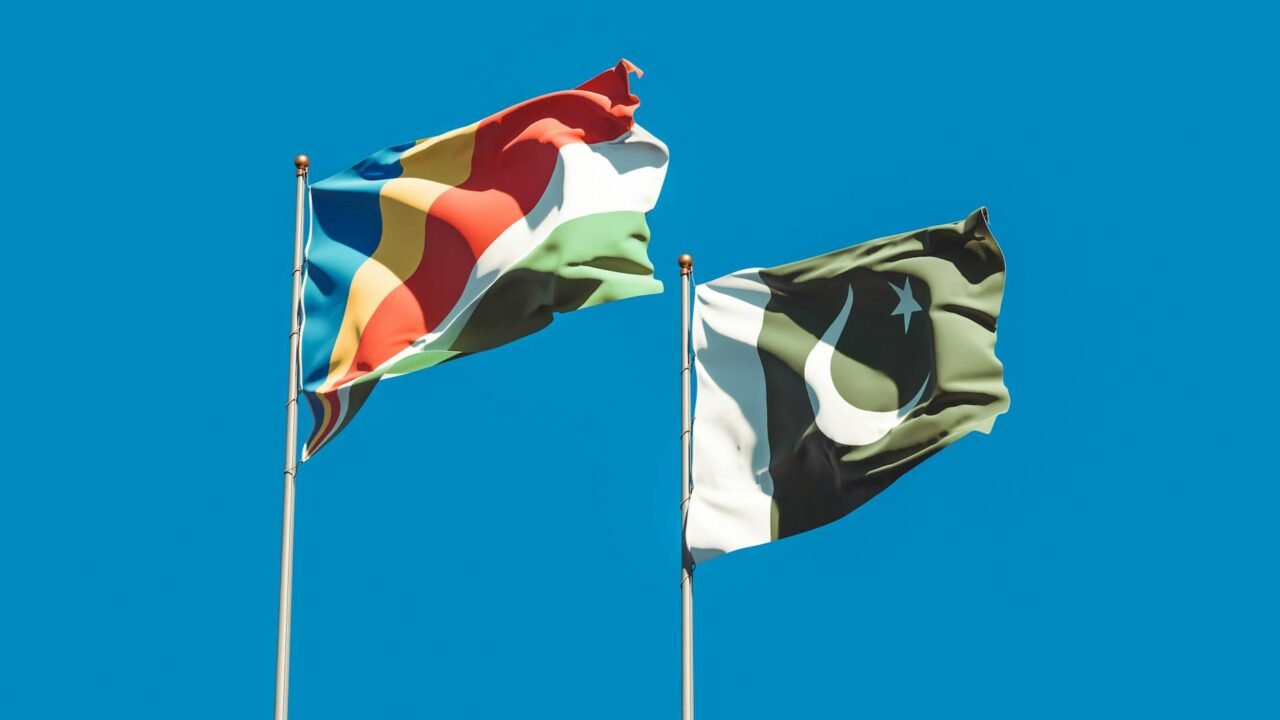
The international community is engaged in a period of watchful anticipation as Iran prepares to formally communicate its response to a recently presented peace proposal aimed at de-escalating regional tensions. The intricate diplomatic dance, involving multiple international actors and a significant mediator, underscores the delicate nature of the ongoing peace efforts. Details surrounding the specifics of the proposal remain largely undisclosed, adding to the global suspense.
Sources close to the matter indicate that Iran intends to channel its official reply through Pakistan, a nation that has consistently played a pivotal role in facilitating dialogue between Tehran and other key global powers. This strategic choice of communication highlights the established trust and the recognized diplomatic channels that Pakistan offers in navigating complex geopolitical landscapes. As per information available with Tahir Rihat, the selection of Pakistan as the conduit for this crucial response suggests a deliberate move by Tehran to ensure a measured and potentially more receptive delivery of its position.
However, the path to a peaceful resolution appears fraught with challenges, as evidenced by earlier pronouncements from Iranian officials. One such official, speaking on condition of anonymity, reportedly characterized a previously rumored proposal to end the ongoing conflict as merely a “list of American wishes.” This dismissive sentiment, if representative of the broader Iranian stance, could cast a long shadow over the current diplomatic overtures and signal a significant hurdle for negotiators. The stark contrast between the cautious optimism of some international observers and the outright skepticism expressed by certain Iranian representatives paints a complex picture of the diplomatic climate.
The implications of Iran’s formal response are far-reaching, potentially influencing the trajectory of regional stability and international relations. The proposal itself, though not fully detailed in public discourse, is understood to address a range of critical issues pertinent to the cessation of hostilities and the establishment of a lasting peace. The world is now waiting to see whether Iran’s official reply will offer a pathway toward constructive engagement or reinforce existing divides. The role of Pakistan as a mediator becomes even more critical in this juncture, tasked with bridging potential gaps in understanding and fostering an environment conducive to negotiation.
The global powers involved in brokering this peace initiative have invested considerable diplomatic capital in the process, underscoring the urgency and importance they attach to achieving a de-escalation. The response from Tehran is not merely a diplomatic formality; it is a crucial indicator of Iran’s willingness to engage in substantive peace talks and its perception of the viability of the current proposals. The international community, while hopeful, remains acutely aware of the historical complexities and the deep-seated issues that have contributed to the prolonged conflict. The coming days are expected to be pivotal in determining the next steps in this high-stakes diplomatic endeavor.
The intricate web of international diplomacy surrounding this peace proposal involves a delicate balancing act, with each party seeking to advance its interests while simultaneously working towards a common goal of regional stability. The reported skepticism from within Iran, as articulated by one official, could be a strategic negotiating tactic or a genuine reflection of the country’s position on the proposed terms. Understanding the nuances of Iran’s official response, when it is finally conveyed, will be paramount for all stakeholders involved in the peace process. The world watches with bated breath, hoping for a breakthrough that can usher in an era of peace and security for the affected regions.

Tahir Rihat (also known as Tahir Bilal) is an independent journalist, activist, and digital media professional from the Chenab Valley of Jammu and Kashmir, India. He is best known for his work as the Online Editor at The Chenab Times.


Leave a Reply