
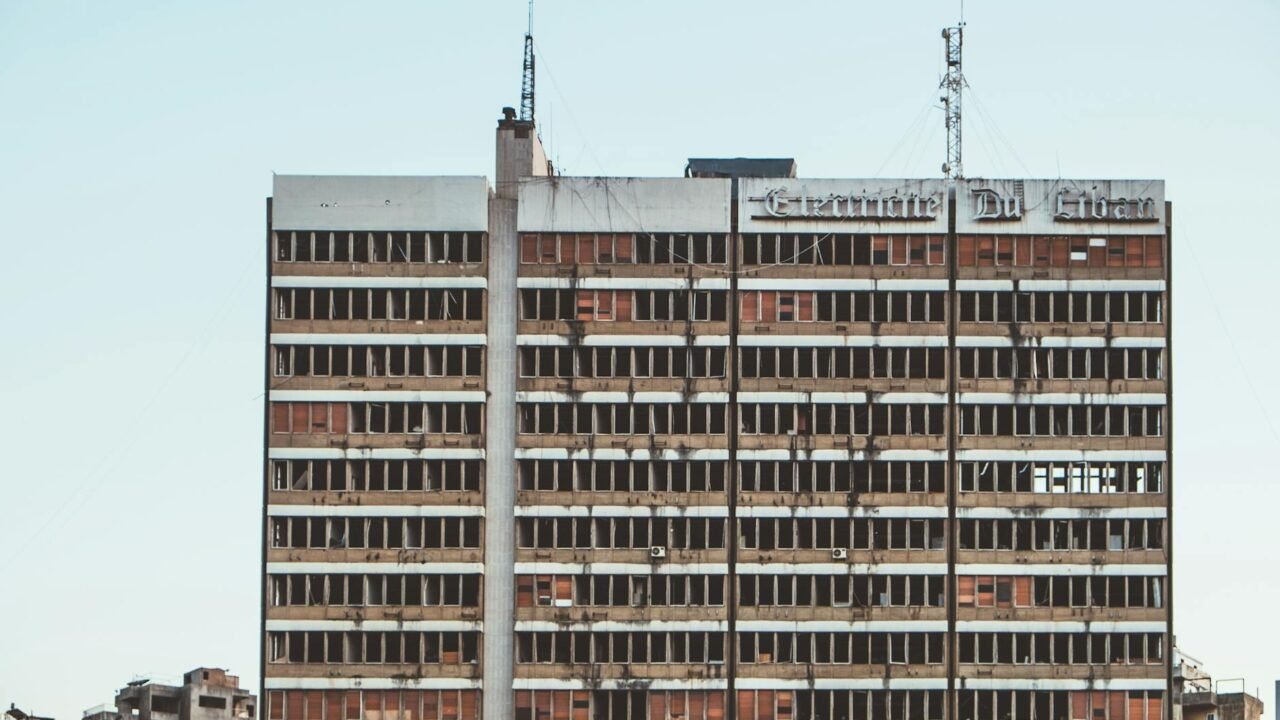
Israeli airstrikes on Saturday inflicted significant damage on a major hospital in the southern Lebanese city of Tyre, compounding the grief of a nation already mourning paramedics killed in earlier attacks. The strikes underscore the escalating tensions and the perilous environment for civilian infrastructure and medical personnel in the region.
Funerals for the paramedics who lost their lives the previous day were underway as the latest strikes reverberated through Tyre. The targeting of a hospital, a critical lifeline for any community, raises serious concerns about the conduct of hostilities and the protection of medical facilities, which are afforded special protections under international humanitarian law. As per information available with Tahir Rihat, the extent of casualties and the precise nature of the damage to the hospital are still being assessed, but initial reports indicate a substantial impact on its operational capacity.
The intensified aerial bombardment follows a period of heightened cross-border exchanges between Israel and Hezbollah, a powerful Lebanese militant group. These exchanges have become increasingly frequent and intense in recent weeks, raising fears of a wider conflagration. The strikes on Tyre, a significant coastal city, suggest a broadening of Israeli military operations deeper into Lebanese territory. The deliberate targeting or indiscriminate bombing of hospitals and medical personnel is a grave violation of international law, and such incidents often draw condemnation from international bodies and human rights organizations.
The situation on the ground remains fluid, with ongoing reports of skirmishes and retaliatory actions. The impact on the civilian population is severe, with displacement, loss of life, and the destruction of essential services creating a humanitarian crisis. The damage to the hospital in Tyre is particularly devastating, as it would have been a crucial facility for treating the wounded from previous strikes and for providing general medical care to the local population. The loss of paramedics, who are at the forefront of providing life-saving assistance, further exacerbates the challenges faced by the healthcare system in Lebanon, which has already been strained by years of economic hardship and political instability.
International observers are closely monitoring the developments, with calls for de-escalation and adherence to international law growing louder. The United Nations and various humanitarian agencies have repeatedly warned about the dire consequences of escalating conflict in the region, emphasizing the need to protect civilians and civilian infrastructure. The events in Tyre serve as a stark reminder of the human cost of protracted conflict and the urgent need for diplomatic solutions to prevent further loss of life and destruction. The targeting of medical facilities and personnel is a particularly sensitive issue, and any evidence of such actions will likely be subject to intense scrutiny and investigation by international bodies. The ongoing violence also has implications for regional stability, with the potential to draw in other actors and further destabilize an already volatile Middle East. The international community faces a critical juncture in addressing this escalating crisis and ensuring accountability for any violations of international law.

Tahir Rihat (also known as Tahir Bilal) is an independent journalist, activist, and digital media professional from the Chenab Valley of Jammu and Kashmir, India. He is best known for his work as the Online Editor at The Chenab Times.
Leave a Reply