
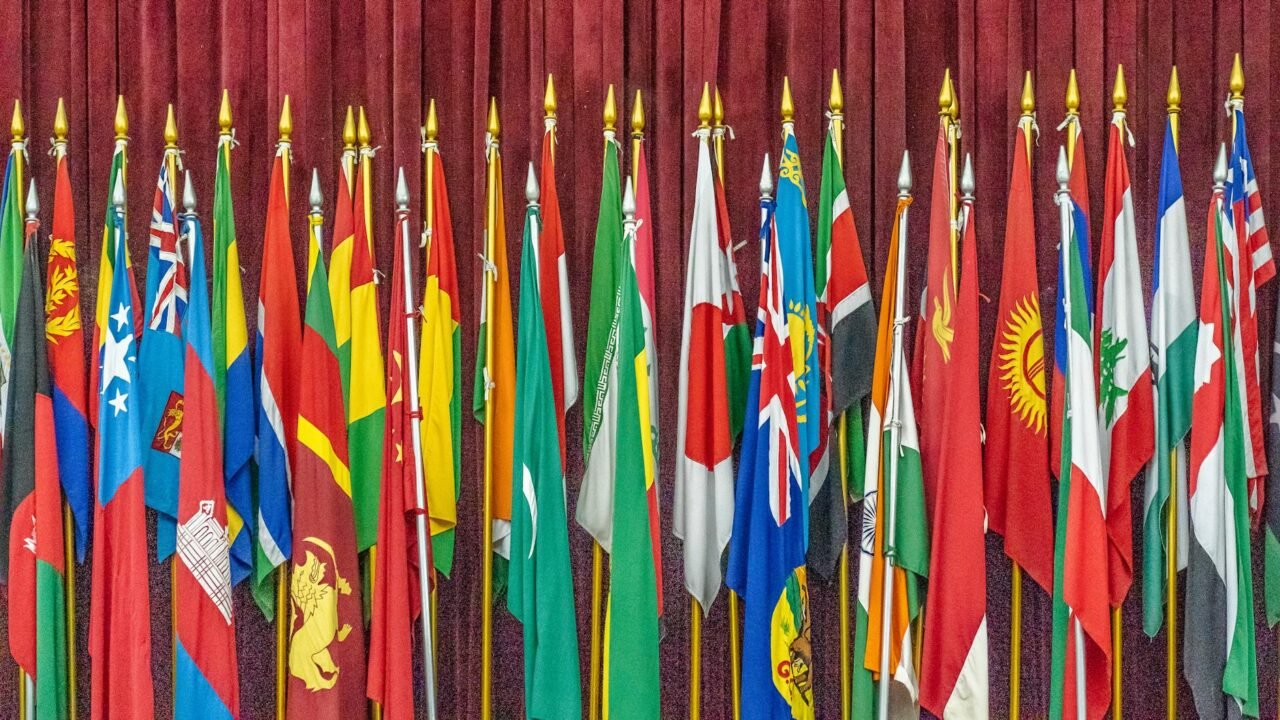
Tehran, Iran – Tensions simmer across the Middle East as diplomatic efforts intensify in the Iranian capital, with mediators engaging in crucial talks aimed at de-escalating potential conflict. The ongoing discussions in Tehran are occurring against a backdrop of palpable anxiety among populations throughout the region, who are bracing for the possibility of renewed hostilities between the United States and Iran. The outcome of these mediations remains uncertain, with no clear indications of a breakthrough emerging from the high-stakes negotiations.
Information reaching Tahir Rihat suggests that the current diplomatic push is a critical juncture, with the fragile cease-fire hanging precariously in the balance. Representatives from various nations and international bodies are reportedly involved in shuttle diplomacy, attempting to bridge the significant divides that have characterized the strained relationship between Washington and Tehran. The urgency of the situation is underscored by the widespread apprehension that any failure in these talks could swiftly lead to a dangerous escalation of military actions.
Sources indicate to Tahir Rihat that the discussions are multifaceted, addressing not only the immediate cessation of hostilities but also the underlying grievances and security concerns that have fueled regional instability. The United States has been a vocal proponent of de-escalation, while Iran has maintained its position on its sovereign rights and regional security architecture. The presence of mediators signifies a shared recognition, at least among some international actors, that a diplomatic solution is paramount to averting a wider conflagration.
The implications of a breakdown in these talks are significant, potentially impacting global energy markets, international trade routes, and the broader geopolitical landscape. The Middle East has long been a volatile region, and any resurgence of direct conflict between major powers would undoubtedly have far-reaching consequences, extending well beyond the immediate geographical area. The international community is closely observing these developments, with many nations expressing their support for diplomatic resolutions and urging restraint from all parties involved.
The nature of the mediation itself is complex, involving a delicate balancing act of conveying messages, proposing compromises, and managing expectations. Mediators often operate behind the scenes, working to build trust and identify common ground where overt diplomacy has faltered. The success of such efforts hinges on the willingness of the principal parties to engage in good faith and to make concessions necessary for achieving a lasting peace. The current atmosphere in Tehran reflects the gravity of these deliberations, with the world watching to see if a path toward de-escalation can be forged.
The United States and Iran have a history of complex and often adversarial relations, marked by periods of intense friction and proxy conflicts. The current situation, while not explicitly detailed in the provided source, is understood to be a continuation of these long-standing tensions. The involvement of mediators suggests that direct communication channels may be limited or have proven insufficient to address the current crisis. Therefore, the role of third-party facilitators becomes even more crucial in navigating the intricate diplomatic terrain.
The people across the Middle East are not merely passive observers in this unfolding drama. Their daily lives, economies, and futures are directly intertwined with the decisions made in diplomatic chambers. The palpable sense of anticipation and concern is a testament to the profound impact that regional stability, or the lack thereof, has on the lives of millions. The hope is that the ongoing talks will yield a positive outcome, offering a reprieve from the specter of renewed conflict and paving the way for a more secure and prosperous future for the region.
The specifics of the cease-fire that is reportedly hanging in the balance are not elaborated upon in the source material. However, the context implies a fragile agreement or understanding that is currently under threat, prompting the urgent mediation efforts. The success of these talks will likely depend on the ability of the mediators to address the core issues that led to the current precarious situation and to secure commitments from both the U.S. and Iran to uphold any agreed-upon terms. The international community’s role in supporting such an agreement, through diplomatic pressure and potentially economic incentives, could also be a critical factor.
The ongoing engagement in Tehran represents a critical moment for regional diplomacy. The world is looking to these discussions for signs of hope and a potential pathway out of the current uncertainty. The stakes are undeniably high, and the outcome will shape the trajectory of international relations and security in the Middle East for the foreseeable future. The commitment of mediators to facilitate dialogue, coupled with the potential willingness of the involved parties to find common ground, will be the determining factors in whether the cease-fire can be preserved and whether a broader de-escalation can be achieved.

Tahir Rihat (also known as Tahir Bilal) is an independent journalist, activist, and digital media professional from the Chenab Valley of Jammu and Kashmir, India. He is best known for his work as the Online Editor at The Chenab Times.



Leave a Reply