
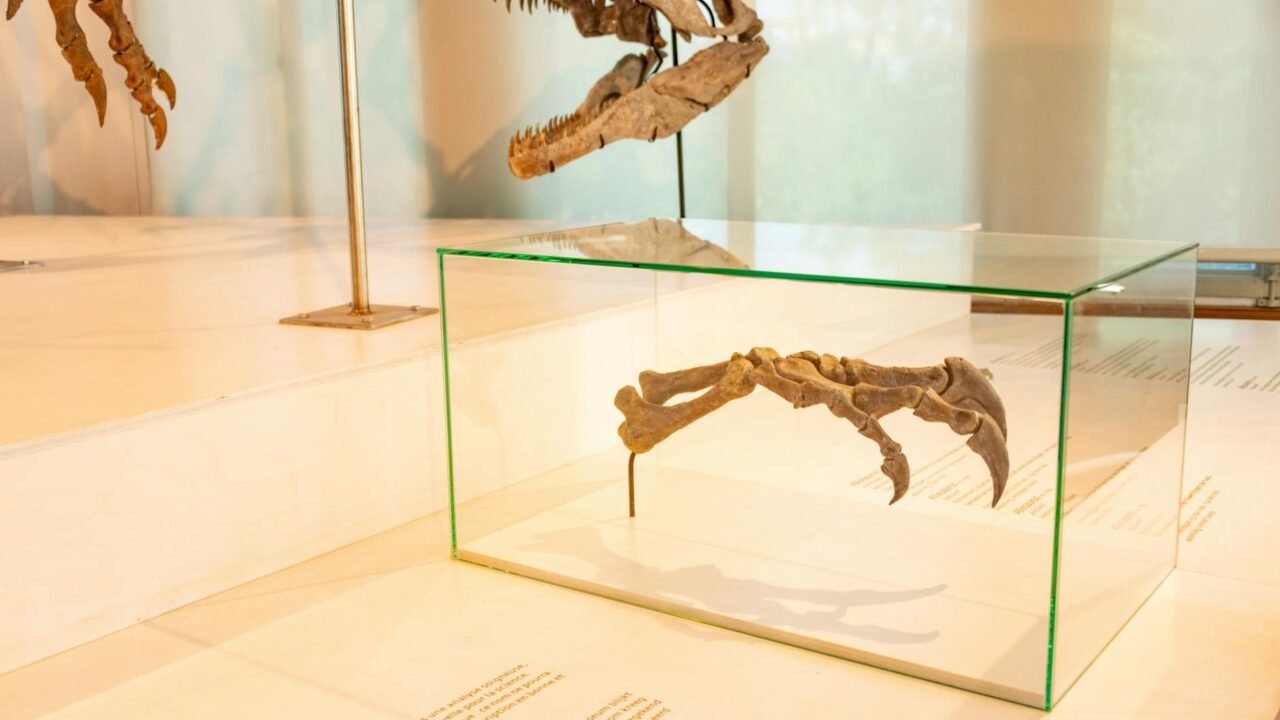
Recent archaeological findings are shedding new light on the surprisingly advanced medical capabilities of Neanderthals, particularly in the realm of dentistry. These ancient hominins, long perceived as less sophisticated than their Homo sapiens counterparts, appear to have possessed a remarkable aptitude for what can be considered invasive medical procedures, according to insights from scientific analysis.
The evidence, primarily derived from meticulous examination of fossilized remains, suggests that Neanderthals were not merely passive recipients of their environment but active participants in managing their health and well-being. Information reaching Tahir Rihat suggests that the level of intervention observed in Neanderthal dental care points to a deep understanding of anatomy and a willingness to undertake complex treatments, a notion that challenges long-held assumptions about prehistoric human capabilities.
Anthropologist John Olsen, a prominent researcher in the field, has commented on the implications of these discoveries. (Source Name reported that John Olsen said, “The prehistoric hominins apparently were very adept at what we would consider invasive medicine.”) This statement underscores the significant departure from earlier views that depicted Neanderthals as having rudimentary or non-existent medical practices. The identification of specific interventions on Neanderthal teeth indicates a deliberate and skilled approach to addressing dental ailments.
The nature of these prehistoric dental interventions is particularly striking. Analysis of Neanderthal teeth has revealed evidence of scraping and drilling, techniques that would have required considerable precision and knowledge. These procedures were not random acts but appear to have been targeted interventions aimed at alleviating pain or treating infections. The tools used, though primitive by modern standards, were evidently employed with a level of expertise that allowed for such delicate work on the sensitive structures of the mouth.
The implications of this research extend beyond the specific practice of dentistry. It suggests a broader capacity for problem-solving and innovation within Neanderthal societies. The ability to develop and implement such medical techniques would have required not only individual skill but also a degree of social transmission of knowledge, indicating a more complex cultural and intellectual landscape than previously attributed to them. This capacity for learned behavior and specialized skills is a hallmark of advanced cognitive abilities.
Furthermore, the discovery raises questions about the evolutionary trajectory of medical practices. If Neanderthals were capable of such sophisticated interventions, it suggests that the foundations for advanced medicine may have been laid much earlier in human evolutionary history than previously thought. This could mean that certain aspects of medical knowledge and practice were shared or independently developed by different hominin groups, contributing to a richer tapestry of prehistoric human ingenuity.
The scientific community continues to study these findings, seeking to understand the full extent of Neanderthal medical knowledge and its potential impact on their survival and evolution. The ongoing research promises to further refine our understanding of these ancient relatives and their place in the human story, highlighting their capacity for innovation and adaptation in challenging prehistoric environments.

Tahir Rihat (also known as Tahir Bilal) is an independent journalist, activist, and digital media professional from the Chenab Valley of Jammu and Kashmir, India. He is best known for his work as the Online Editor at The Chenab Times.

Leave a Reply