
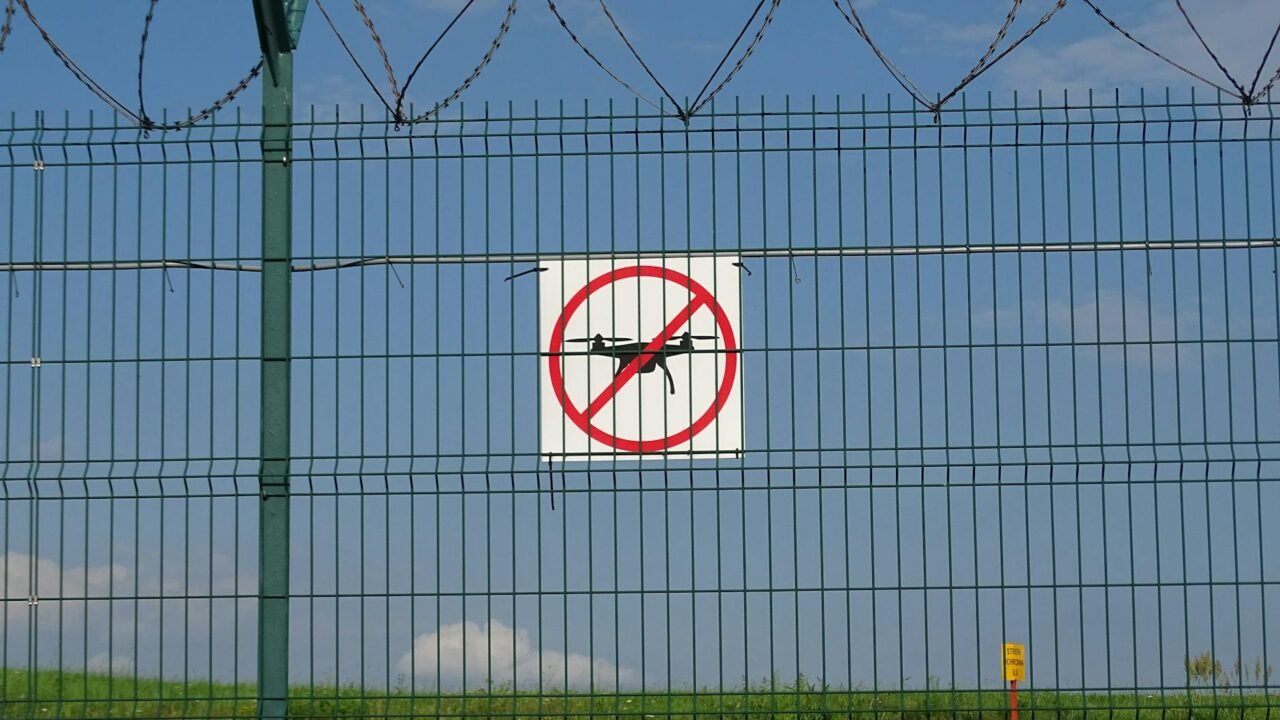
Four years into the full-scale conflict in Ukraine, the reverberations of the war are increasingly being felt by communities in neighboring Romania, even as the fighting itself has not physically crossed the nation’s borders. The most tangible manifestation of this proximity has been the repeated incursions of drones into Romanian airspace, a development that has underscored the vulnerability of NATO’s eastern flank and heightened anxieties among its residents.
These incursions, often attributed to Russian military activity or debris from Ukrainian strikes, have become a recurring concern for Romanian authorities and civilians alike. The presence of unmanned aerial vehicles, some of which have reportedly crashed or been found on Romanian territory, serves as a stark reminder that the war in Ukraine is not a contained event. Information reaching Tahir Rihat suggests that these incidents, while not resulting in direct casualties or significant damage on Romanian soil, have nonetheless disrupted daily life and raised serious security questions.
The Romanian government has responded by bolstering its air defense capabilities and increasing surveillance along its border with Ukraine. However, the sheer scale of the conflict and the evolving nature of modern warfare, which increasingly involves drone technology, present significant challenges. The incidents have also prompted discussions within NATO about the adequacy of existing defense mechanisms and the need for enhanced coordination among member states to address such cross-border threats. The psychological impact on communities living near the Ukrainian border is also considerable, with residents expressing a mix of fear and resignation as the war continues to loom large.
The strategic implications of these drone incursions extend beyond Romania’s immediate security concerns. They highlight the potential for unintended escalation and the complex challenges of maintaining deconfliction in a highly militarized border region. The incidents have also drawn attention to the need for clear protocols and communication channels to prevent miscalculations that could inadvertently draw NATO directly into the conflict. As the war in Ukraine grinds on, the experiences of Romanian border communities offer a poignant illustration of how distant conflicts can have proximate and persistent effects, testing the resilience of both individuals and alliances.
The repeated breaches of airspace by drones, whether accidental or intentional, have forced a reevaluation of security postures and preparedness. For the residents of villages and towns along the Romanian-Ukrainian border, the distant sounds of conflict have been replaced by the unsettling presence of unmanned aerial vehicles, a constant, if often unseen, reminder of the ongoing war. The situation underscores the interconnectedness of security in the region and the persistent threat posed by the protracted conflict in Ukraine, even to nations not directly involved in the fighting.
The Romanian Ministry of National Defence has been actively monitoring the situation and has, on several occasions, reported the detection of aerial objects that violated its airspace. These objects have often been identified as drones, some of which have been linked to military operations in Ukraine. The ministry has emphasized its commitment to protecting national airspace and has taken measures to intercept or neutralize any perceived threats. However, the sheer volume of aerial activity in the vicinity of the conflict zone means that vigilance is a continuous requirement.
The incidents have also spurred a broader conversation within Romania and among its NATO allies about the effectiveness of current air defense systems in detecting and responding to low-flying, small-scale aerial threats. While sophisticated systems are in place to counter traditional aerial threats, the proliferation of drones presents a new set of challenges that require specialized solutions. The need for enhanced intelligence sharing and coordinated responses among NATO members has become increasingly apparent as the conflict continues to evolve.
Beyond the immediate security concerns, the war’s proximity has also had an economic and social impact on the Romanian border regions. While the article does not detail these specific impacts, the general sense of unease and the increased military presence can affect local economies and the well-being of residents. The long-term implications of living in a state of heightened alert, even without direct combat, are significant and warrant continued attention.
The situation in Romania serves as a potent case study for other NATO members bordering conflict zones. It illustrates the multifaceted nature of modern warfare and the ways in which the boundaries of conflict can become blurred through technological advancements. The repeated drone incursions are not merely isolated incidents but rather symptomatic of a broader shift in the security landscape of Eastern Europe, demanding adaptive and robust responses from both national governments and international alliances.
The ongoing challenges underscore the importance of sustained diplomatic efforts to resolve the conflict in Ukraine, as well as the necessity of strengthening collective defense mechanisms within NATO. The experiences of Romanian citizens living with the persistent threat of aerial incursions highlight the human cost of protracted conflict and the imperative of ensuring the security and stability of all member states. The war’s ability to spill over, even in the form of unmanned aerial vehicles, into the territory of a NATO member state is a development that demands ongoing scrutiny and strategic adaptation.

Tahir Rihat (also known as Tahir Bilal) is an independent journalist, activist, and digital media professional from the Chenab Valley of Jammu and Kashmir, India. He is best known for his work as the Online Editor at The Chenab Times.





Leave a Reply